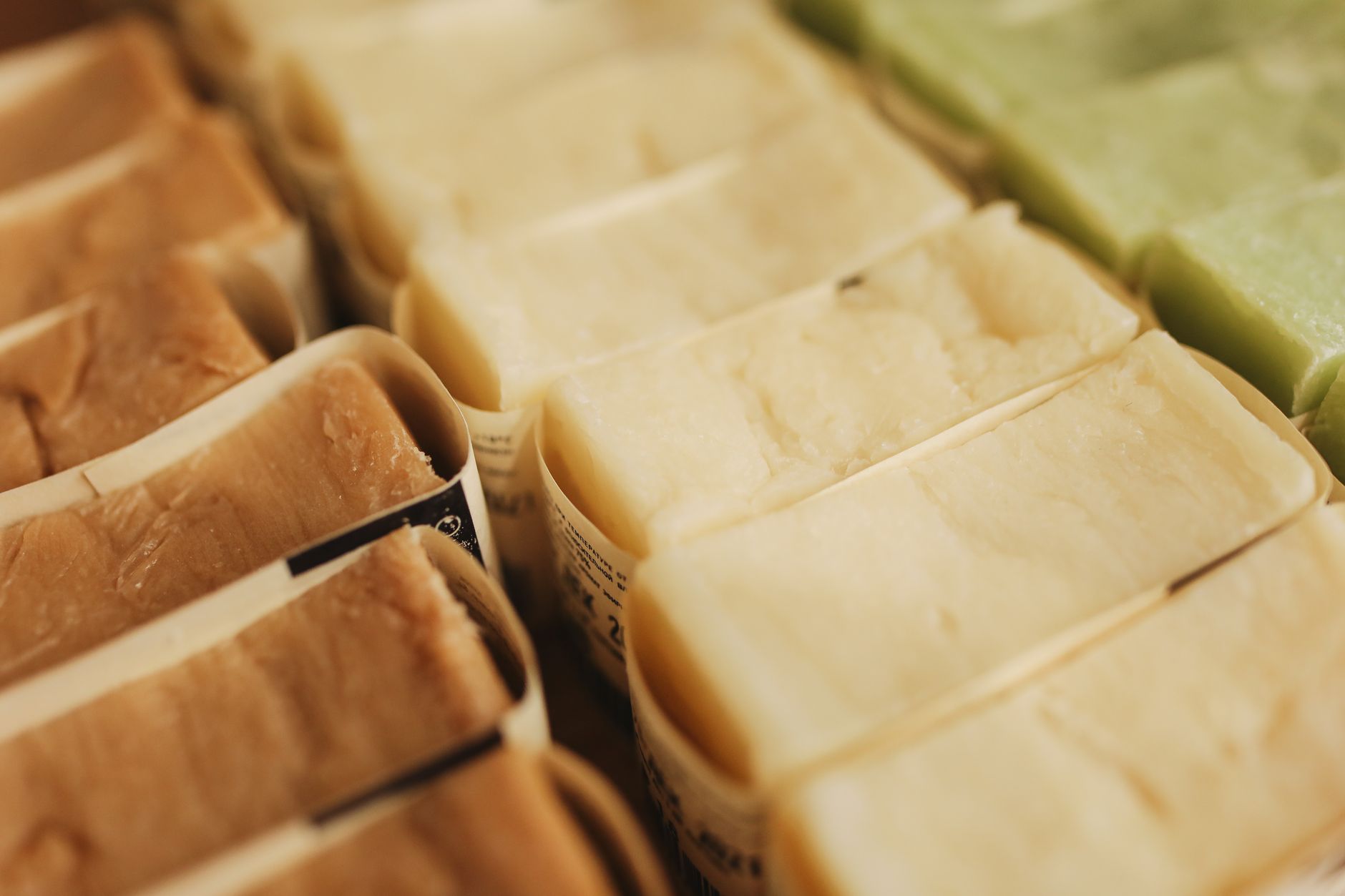
A UAE-based soap-making business that had come under financial strain has been given a renewed lease on life after members of the local community stepped in to buy up an unusually large order of its products, purchasing roughly 25,000 bars in a show of support that founders described as unexpected in both scale and speed.
The company, a home-grown venture built around handcrafted soap products, had reportedly been facing mounting pressures common to small, artisanal businesses operating in the UAE’s competitive retail environment, including rising costs and softening demand. Rather than shutting down, the business turned to its customer base and wider community for support, a move that quickly gathered momentum across social media and word-of-mouth networks.
What followed was a surge in orders that founders had not anticipated. Residents, repeat customers and newcomers to the brand placed bulk orders, with the cumulative total reaching tens of thousands of bars of soap. The response was significant enough to shift the business’s immediate financial outlook, allowing it to continue operating rather than wind down.
The episode reflects a broader pattern seen in the UAE, where small and medium-sized enterprises often rely heavily on community goodwill and digital word-of-mouth to weather difficult periods. Social media platforms in particular have become a critical tool for home-grown brands seeking to reach residents who prioritise supporting local businesses over larger, imported alternatives.
Why it matters for UAE’s SME sector
The case highlights the vulnerabilities facing small enterprises in the UAE even as the country positions itself as a hub for entrepreneurship and innovation. Small and medium-sized businesses form a significant part of the UAE’s non-oil economy, and authorities have repeatedly emphasised the importance of nurturing this sector as part of broader economic diversification efforts.
Community-driven rescues of the kind seen with this soap business are not unique to the UAE, but they carry particular resonance in a market where consumer loyalty to local brands has been growing alongside government campaigns encouraging residents to buy Emirati-made and regionally produced goods. Such campaigns have aimed to strengthen domestic supply chains and reduce reliance on imported consumer products, particularly in categories like personal care and household goods where local alternatives have historically struggled to compete on price and visibility.
For entrepreneurs across the UAE and wider Gulf region, the incident serves as a reminder of both the fragility and the resilience embedded in small business ecosystems. While formal support structures such as government-backed SME financing schemes and incubators exist across the Emirates, grassroots community action remains an unpredictable but occasionally decisive factor in determining whether a small operation survives short-term shocks.
The soap business’s experience may also encourage other struggling home-grown brands in the UAE to turn more directly to their communities during periods of financial difficulty, using transparency about their challenges as a means of mobilising support rather than quietly scaling back or closing operations. As the UAE continues to promote entrepreneurship as a pillar of its economic strategy, stories such as this are likely to draw attention to the role everyday consumers can play in sustaining the country’s smaller, homegrown enterprises alongside formal institutional support.