
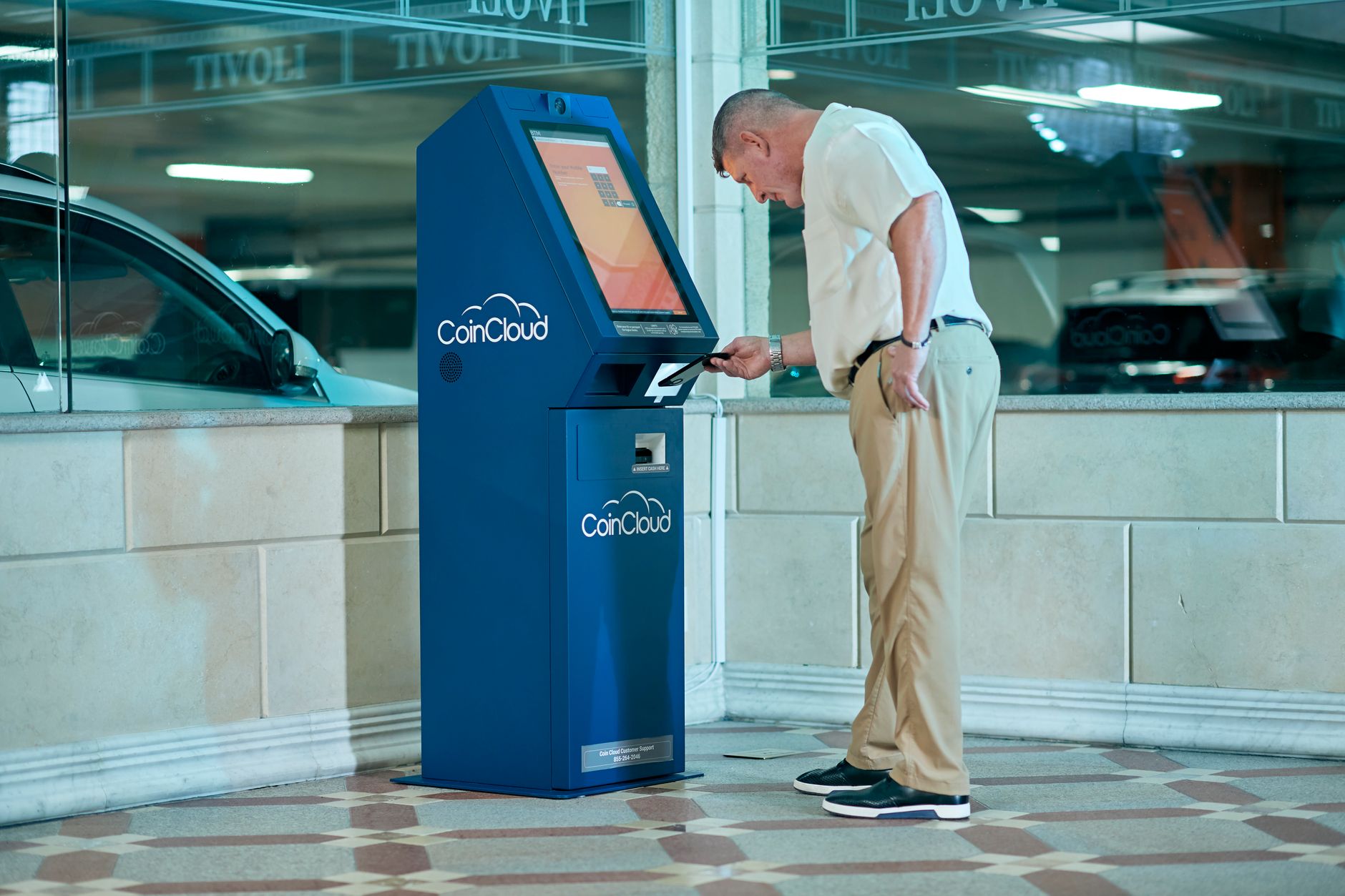
The city of Jackson has moved to prohibit cryptocurrency kiosks within its limits, joining a growing list of American municipalities that have taken action against the machines in recent years. Local authorities have increasingly scrutinised crypto ATMs, which allow users to convert cash into digital assets such as Bitcoin, over concerns that they have become a preferred tool for scammers targeting vulnerable residents, including elderly consumers pressured into sending funds to fraudulent accounts under the guise of urgent payments or fake law-enforcement demands.
The decision, first reported by WILX, reflects a broader pattern seen across several US states and cities, where officials have responded to rising complaints from residents who say they were coerced or misled into using kiosks to transfer money that was ultimately unrecoverable. Unlike traditional bank transfers, cryptocurrency transactions processed through these machines are typically irreversible once confirmed, making them attractive to fraud networks and difficult for victims to recoup losses from once funds have moved into a digital wallet.
Regulatory Pressure Builds on Crypto Kiosk Operators
City-level bans such as the one adopted by Jackson are part of a wider regulatory trend in which local and state governments are stepping in where federal oversight of crypto ATMs remains limited. Kiosk operators in the United States have faced mounting pressure from consumer protection agencies and law enforcement bodies that argue the machines lack sufficient safeguards, such as transaction limits, mandatory identity verification, or real-time fraud warnings, to prevent misuse. Some jurisdictions have opted for stricter licensing and disclosure requirements rather than outright bans, while others, like Jackson, have determined that prohibition is the more effective route to protecting residents.
The move comes as the global crypto industry continues to grapple with questions of consumer protection even as digital asset adoption expands worldwide. While cryptocurrency kiosks are a relatively niche entry point compared with exchanges and mobile apps, they have drawn outsized regulatory attention precisely because of their cash-based, largely anonymous nature, which makes them harder to monitor than conventional financial channels.
For readers in the UAE and wider Gulf region, the Jackson case illustrates a divergence in regulatory philosophy compared with the approach taken in markets such as Dubai and Abu Dhabi, where authorities have instead focused on building comprehensive licensing frameworks for virtual asset service providers rather than banning specific access points outright. The UAE has positioned itself as a hub for regulated digital asset activity, with dedicated authorities overseeing exchanges, custodians, and other crypto-related businesses under structured compliance regimes.
Even so, the underlying concern driving Jackson’s decision, protecting consumers from irreversible fraudulent transactions, resonates globally, including in the Gulf, where financial regulators have similarly warned residents about scams involving pressure to move funds quickly through digital asset channels. As crypto ATMs and kiosks are not a prevalent feature of the UAE’s financial landscape, the direct impact on local consumers is limited. Nonetheless, the episode underscores the broader international debate over how best to balance accessibility to digital assets with safeguards against exploitation, a debate that regulators in the UAE and across the GCC continue to monitor as they refine their own digital asset frameworks.





