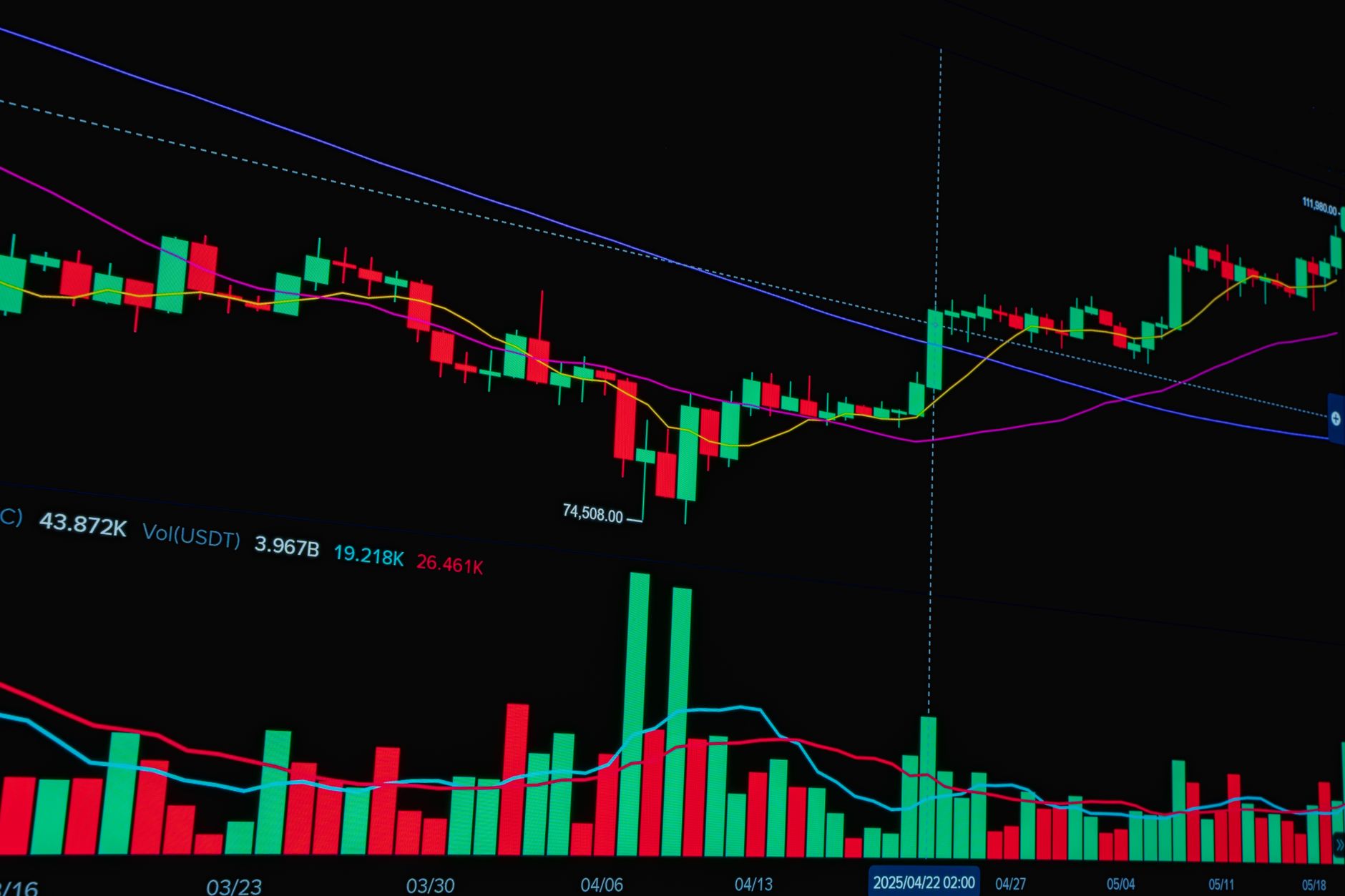
Bitcoin has pushed back above the $80,000 mark, reigniting attention from traders and investors who are now watching whether the cryptocurrency can extend its advance to close above $83,000. The move puts the world’s largest digital asset back in focus after a period of volatility that has tested the resolve of both retail and institutional holders. As with previous rallies, the question dominating trading desks is not simply whether Bitcoin can touch a higher price intraday, but whether it can hold and close above key resistance levels on a sustained basis.
The renewed upward momentum comes at a time when the broader digital asset market remains sensitive to shifts in macroeconomic sentiment, liquidity conditions, and risk appetite among global investors. Bitcoin’s price action often sets the tone for the rest of the market, with altcoins and related tokens typically taking cues from its direction. Analysts tracking the asset note that breaking through psychologically significant thresholds like $80,000 can trigger further buying interest, while failure to hold such levels can just as quickly invite renewed selling pressure.
What a Close Above $83,000 Would Signal
For technical analysts, a confirmed close above $83,000 would represent more than a symbolic milestone. It would suggest that buyers have absorbed available selling pressure at current levels and that the path toward higher price targets has opened up. Conversely, a rejection at or near that level could reinforce the range-bound trading pattern that has characterized Bitcoin’s recent history, leaving the asset vulnerable to another pullback toward the $80,000 support zone or lower.
The development was first highlighted in a report titled Bitcoin Broke Above $80,000. Can It Close Above $83,000? – 24/7 Wall St., which flagged the level as a critical near-term test for the cryptocurrency’s momentum.
For market participants across the UAE and wider Gulf region, Bitcoin’s price swings carry particular weight given the emirate’s growing role as a hub for digital asset trading, custody, and regulation. Dubai and Abu Dhabi have both positioned themselves as jurisdictions welcoming to crypto firms, with dedicated regulatory frameworks overseeing virtual asset service providers. Movements in Bitcoin’s price are closely tracked by regional exchanges, family offices, and retail investors who have increasingly added digital assets to their portfolios in recent years.
Volatility of this kind also feeds into the broader crypto market narrative, influencing sentiment around tokens, decentralized finance platforms, and blockchain-linked equities that trade in tandem with Bitcoin’s fortunes. Whether the current rally has enough strength to clear the $83,000 threshold and hold above it will likely be determined in the coming sessions, as traders weigh incoming economic data and shifts in global risk sentiment against the technical picture now forming on Bitcoin’s charts.