
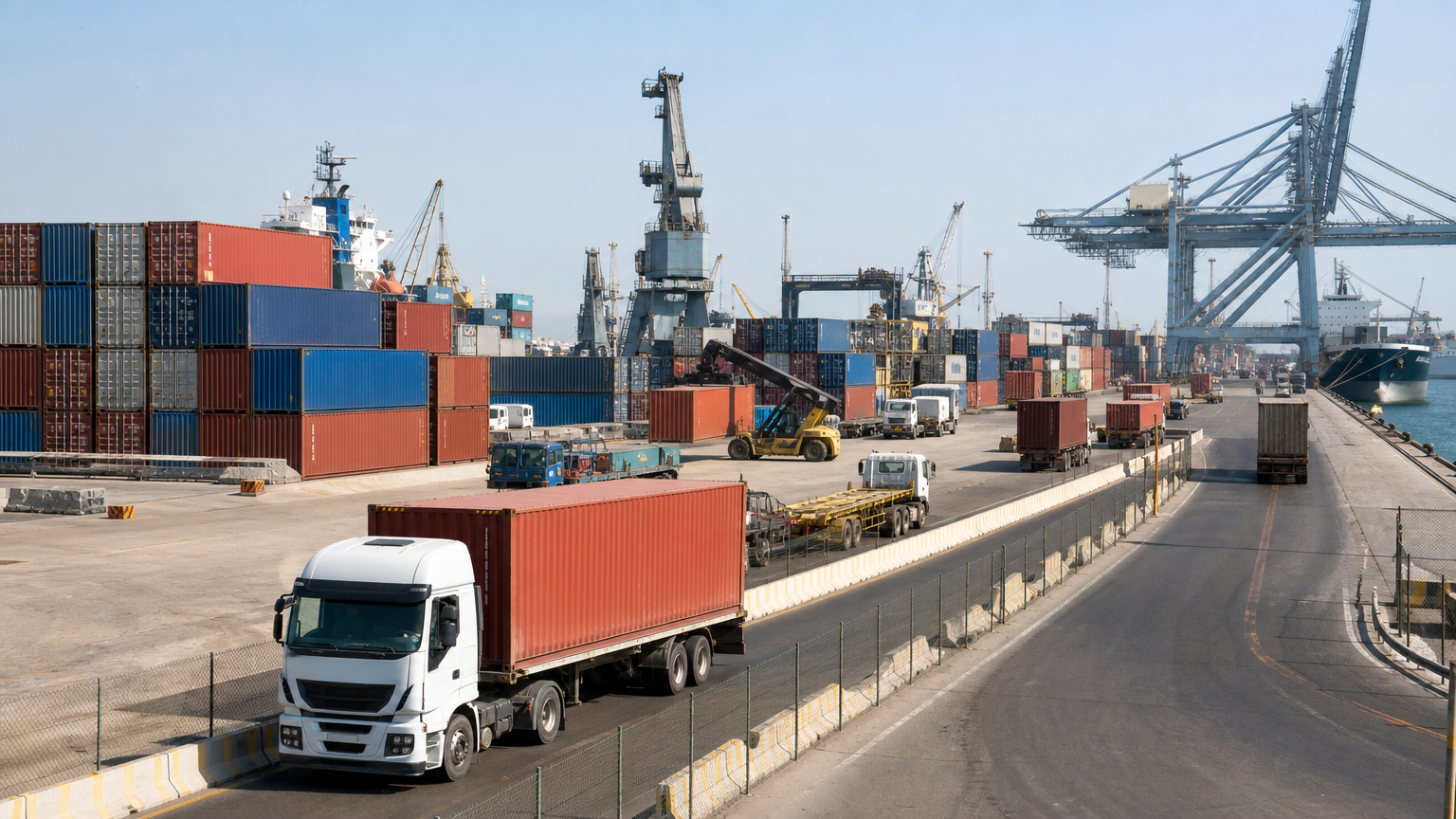
The UAE has just launched a nationwide plan to protect the flow of more than 150 essential goods, and it could open fresh doors for investors and manufacturers across the country. The move is part of a new National Programme to Strengthen Supply Chain Resilience, aimed at keeping critical products moving even when global trade hits turbulence.
Dr. Thani bin Ahmed Al Zeyoudi, UAE Minister of Foreign Trade, announced the initiative, describing it as a direct response to shifting geopolitical and economic conditions worldwide. The idea is simple: identify the goods the UAE cannot afford to run short of, then build backup plans so supply never stops.
What’s behind the UAE supply chain resilience push?
Global supply chains have taken a beating in recent years, from pandemic-era shortages to shipping disruptions and geopolitical tensions. The UAE, as a major trade and logistics hub for the GCC region, has decided to get ahead of the next disruption rather than react to it.
According to Al Zeyoudi, officials have already identified and analysed more than 150 essential goods. For each one, alternative sourcing strategies are now in place, meaning the UAE has backup suppliers or routes ready if the usual ones get blocked or delayed.
This isn’t just about stockpiling or diversifying suppliers abroad, though. The programme also includes plans to localise the manufacturing of several of these key goods right here in the UAE. That means more of what the country needs could soon be made domestically, reducing reliance on distant supply chains altogether.
On top of that, the government is exploring international investment opportunities in strategic sectors tied to this effort. For anyone tracking business news in the region, this signals a clear push toward industrial self-reliance paired with global partnerships.
Why this matters for investors and businesses in the UAE and GCC
Al Zeyoudi was clear that this isn’t a government-only exercise. He described it as a joint effort between public authorities and private sector companies, with rollout happening through agreements with multiple countries and strategic partners.
For manufacturers, suppliers and investors watching the UAE market, this is where opportunity comes in. The government isn’t just protecting existing supply chains, it’s actively inviting private companies and foreign investors to help build new production capacity inside the country.
A key moment to watch is the “Make it in the Emirates 2026” platform, set to launch on May 4. Al Zeyoudi confirmed this event will showcase the priority goods identified under the programme directly to investors and business leaders. It’s designed to open the door for new investment deals and the transfer of production technology into the UAE.
That last point matters a lot. Bringing in production technology means the UAE isn’t just trying to make more goods locally, it wants to learn and adopt the manufacturing know-how that comes with it. Over time, that could strengthen the country’s industrial base well beyond these initial 150 products.
For GCC businesses more broadly, this kind of programme sets a precedent. If the UAE succeeds in reducing its exposure to global supply shocks while attracting fresh investment, other Gulf economies may look to replicate parts of the model. Regional supply chains are deeply interconnected, so a more resilient UAE market could indirectly benefit partners and suppliers across Saudi Arabia, Qatar and beyond.
It’s also worth noting the timing. Al Zeyoudi separately confirmed that the UAE is in talks with the US over a currency swap line, a move that would give the country more flexibility in managing cross-border trade and finance. Taken together with the supply chain programme, it points to a broader strategy: the UAE is trying to insulate itself financially and industrially from global uncertainty, all at once, as reported by Arabian Business.
What happens next will likely become clearer around May 4, when the Make it in the Emirates 2026 platform goes live. That event should reveal exactly which sectors and goods are being prioritised for local investment, giving businesses and entrepreneurs a concrete list of where the government wants to see new factories, partnerships and supply deals take shape. Anyone eyeing manufacturing or supply chain opportunities in the UAE would do well to keep an eye on that date.