
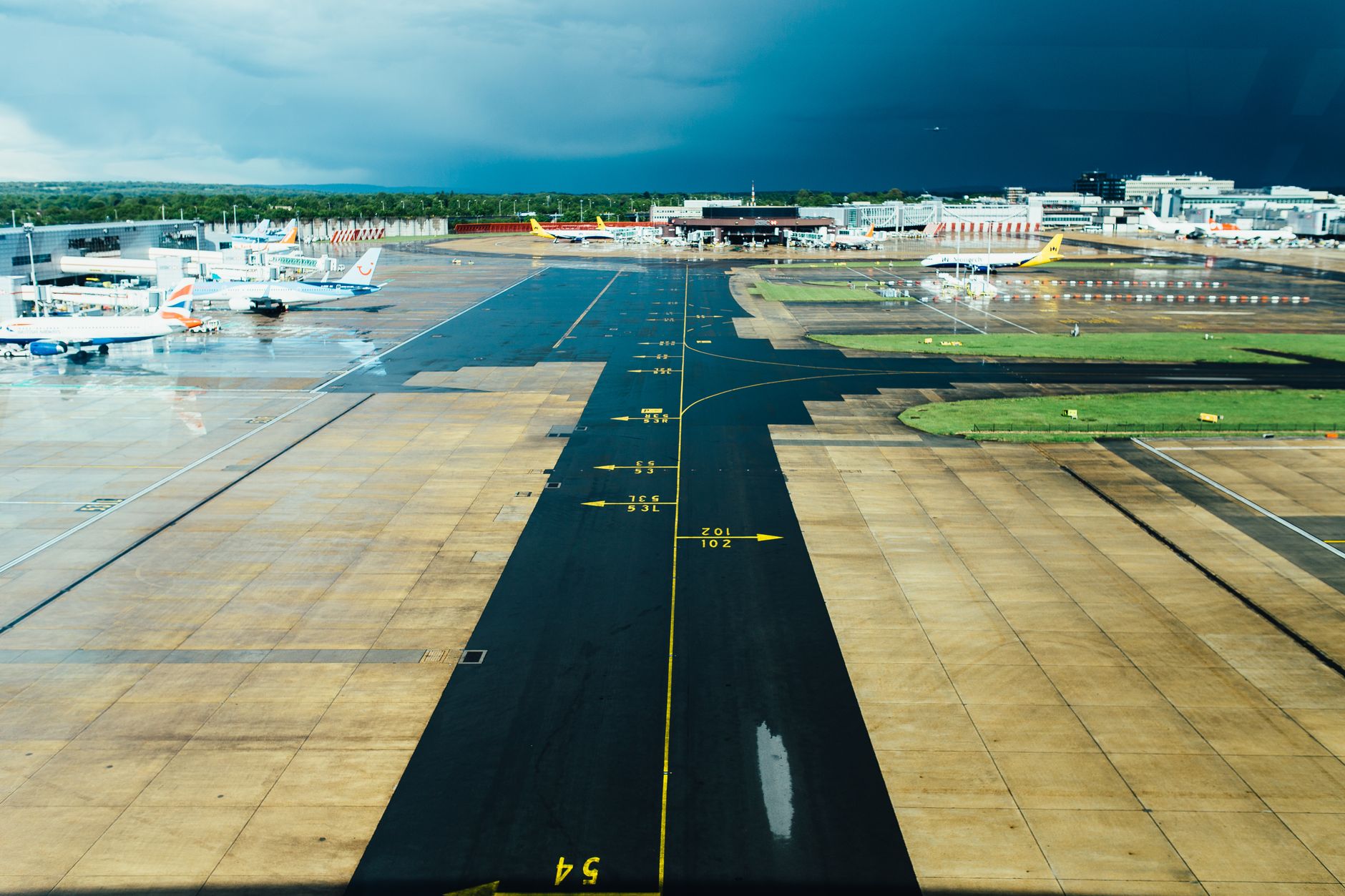
A powerful nor’easter has swept across the northeastern United States, grounding or delaying hundreds of flights and forcing major carriers to waive change fees for travellers caught in the disruption. The storm, which brought heavy rain, strong winds and reduced visibility to key aviation hubs including Boston and other East Coast cities, has strained airport operations during a period of heavy seasonal travel demand.
Airlines operating out of affected airports moved quickly to adjust schedules as ground crews and air traffic control faced worsening conditions. Flight tracking data cited in initial reporting pointed to a significant number of cancellations and delays rippling across the region’s air corridors, a common consequence when a single major storm system disrupts hub-and-spoke networks that carriers rely on to keep aircraft and crews moving on schedule.
In response, several airlines issued travel waivers allowing passengers booked on affected routes to rebook without paying the usual change penalties, a standard industry practice when severe weather threatens to strand travellers or cause missed connections. Such waivers typically apply to a defined window of travel dates and specific airports, giving passengers flexibility to shift their plans without incurring additional costs, though the scope and duration of the waivers issued this week were tied directly to the storm’s trajectory and expected duration.
Wider Business and Travel Implications
Weather-driven disruptions of this scale carry a cost well beyond passenger inconvenience. Airlines absorb losses from rebooking, crew repositioning and lost revenue on cancelled segments, while airports face added strain on staffing and logistics. For the broader business travel sector, such events underscore the vulnerability of tightly scheduled networks to seasonal weather patterns, particularly during the autumn and winter months when nor’easters and similar storm systems frequently affect the northeastern United States.
The disruption, first reported by Nor’easter delays hundreds of flights, airlines waive change fees, adds to a string of weather-related travel headaches that have periodically hit major American aviation markets in recent years, prompting airlines to refine contingency policies aimed at reducing passenger fallout when storms strike.
While the immediate impact is centred on domestic US travel, such disruptions can have knock-on effects for international itineraries, including connections used by travellers moving between the United States and the Gulf region. Passengers from the UAE and wider GCC transiting through East Coast hubs on their way to or from connecting flights may face delays or rebooking needs if storms affect onward domestic legs, even when their long-haul international segments operate on schedule. Gulf-based carriers with codeshare or partnership arrangements involving US East Coast airports could see indirect scheduling effects as well, particularly during periods of heightened winter storm activity.
Airlines and airport authorities in the affected region are expected to continue monitoring conditions as the storm system moves through, with normal operations anticipated to resume once weather clears. Passengers with upcoming travel through affected airports have been advised to check flight status directly with their carriers before heading to the airport, given the fluid nature of storm-related scheduling changes.