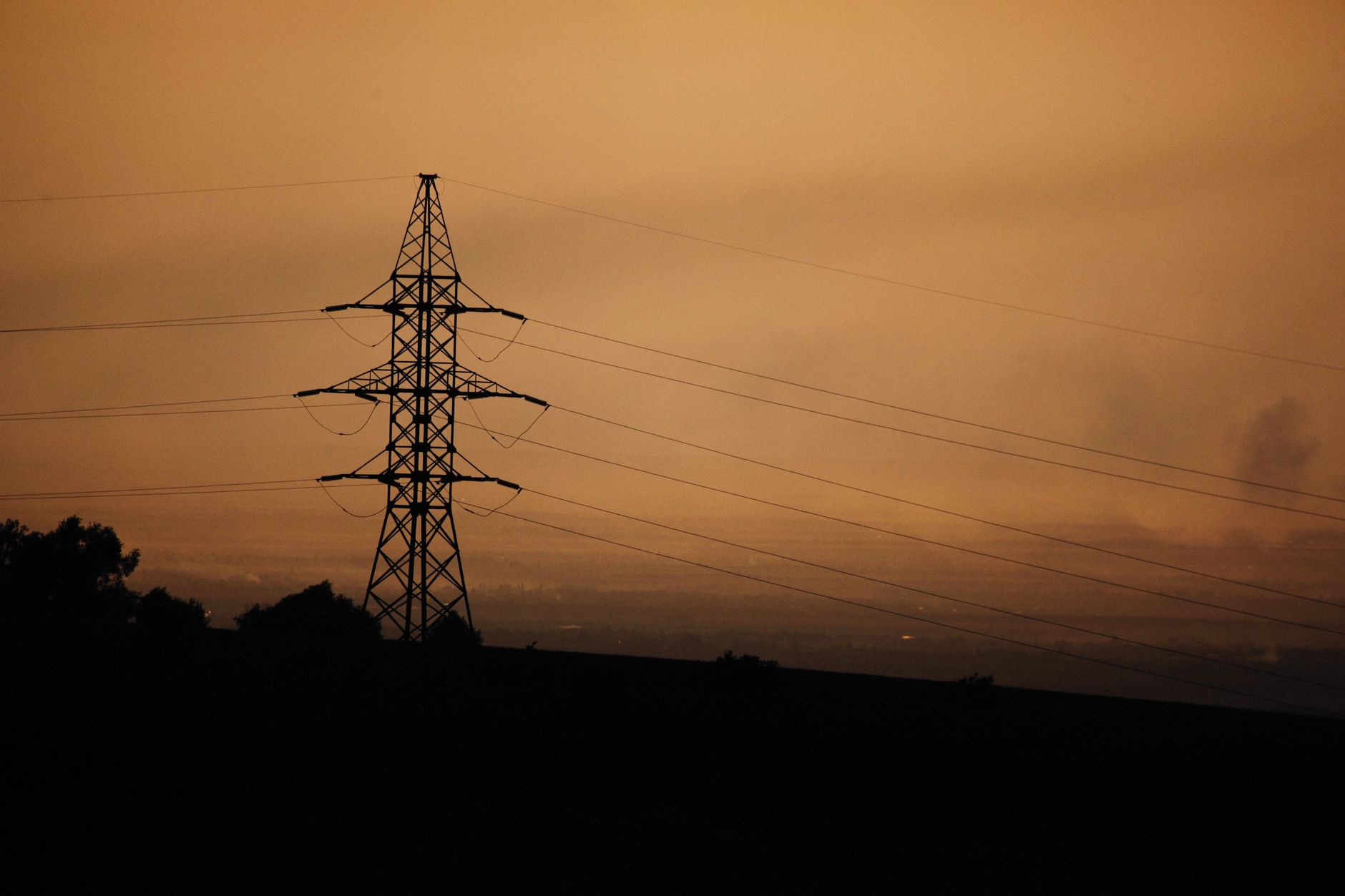
Dubai-based infrastructure investors and engineering firms are set to benefit from a fresh cross-border win, after a UAE-headquartered EPC contractor secured Lot 2 of Egypt’s 500kV overhead transmission line linking the Orascom and El-Hawamdeya substations. The award adds to a growing list of Egyptian grid contracts flowing to Gulf-based contractors as Cairo accelerates network upgrades to support industrial expansion and renewable integration.
Egypt’s grid buildout draws UAE capital and expertise
The contract forms part of a broader push by the Egyptian Electricity Transmission Company to reinforce high-voltage links between the Greater Cairo region and industrial zones south of the capital, where cement, steel and manufacturing loads have strained existing infrastructure. For UAE contractors, the win reflects an established pattern: Emirati firms have steadily built a track record in Egyptian power and water projects over the past decade, leveraging relationships forged through UAE sovereign investment in Egypt’s economy, including recent multi-billion-dollar deals covering real estate, ports and renewables. Transmission work such as the Orascom-El-Hawamdeya line typically involves tower design, conductor stringing and substation interconnection, work that plays to the engineering capacity UAE firms have developed through domestic grid expansion led by Etihad Water and Electricity and Abu Dhabi’s TAQA.
Implications for UAE investors and contractors
For Abu Dhabi and Dubai-listed engineering groups, the award signals continued demand for cross-border EPC work in North Africa, a market increasingly attractive given currency stabilization in Egypt and renewed foreign investment inflows following last year’s Ras El-Hekma deal. UAE contractors bidding on similar lots gain a foothold in a grid modernization program expected to run for several years, as Egypt targets higher transmission capacity to accommodate wind and solar additions in the Gulf of Suez and Red Sea coast. For GCC investors monitoring regional infrastructure exposure, the contract underscores how UAE firms are positioning themselves as preferred partners for Egyptian state utilities, a relationship likely to extend to future high-voltage and substation tenders as bilateral econom