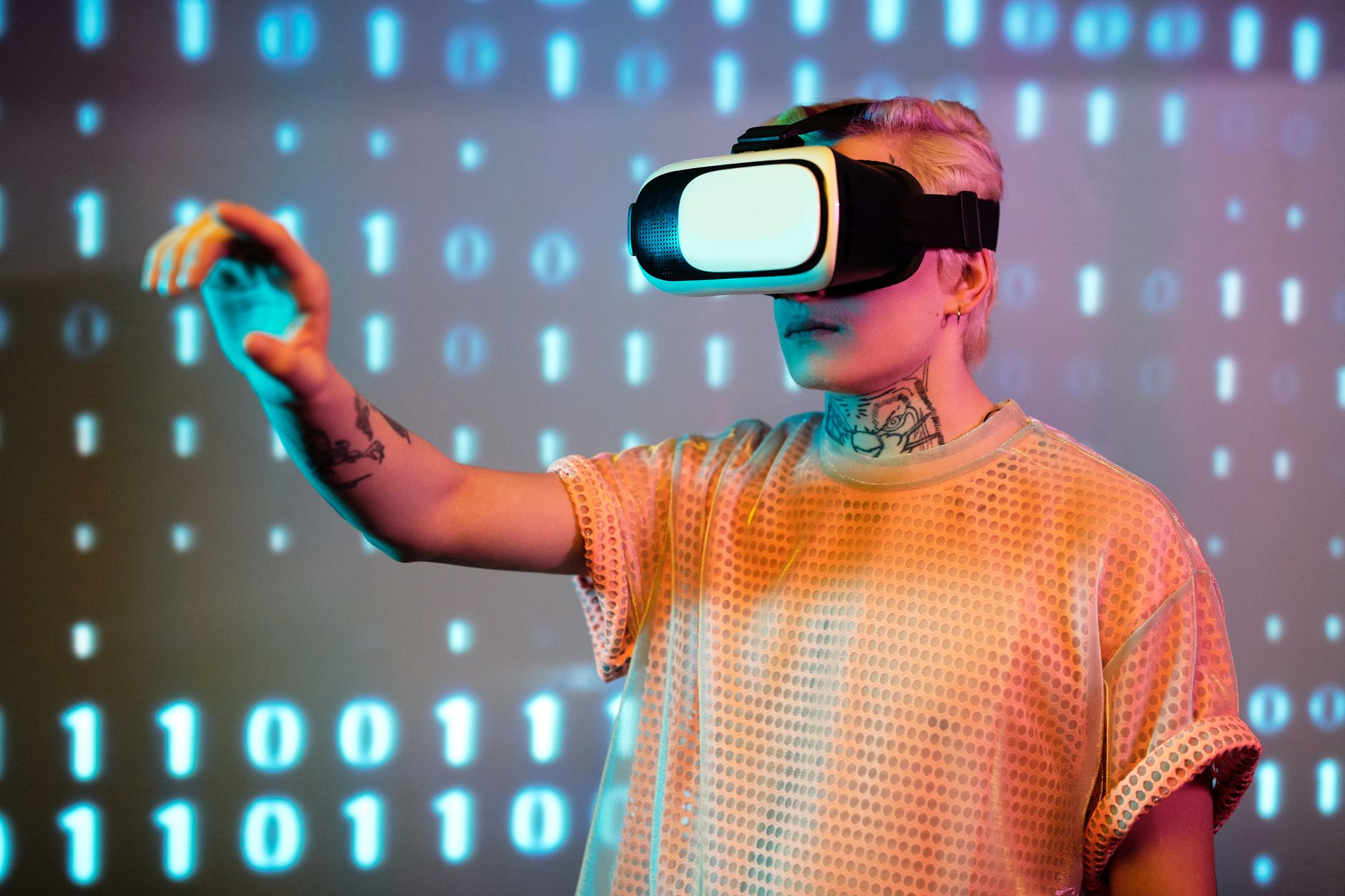
A large majority of game development professionals believe artificial intelligence will meaningfully reshape how their studios operate, according to a survey conducted among speakers at Gamescom Dev. The poll found that 83% of respondents expect AI to significantly affect either team structure or productivity within their organizations, underscoring how deeply the technology has moved into mainstream conversations across the industry.
The survey forms part of Gamescom Dev’s regular check-in on developer sentiment, tracking how professionals view emerging technologies and workforce trends shaping the sector. While the event is best known as a hub for showcasing new titles and technology, its accompanying developer-focused surveys have increasingly served as an informal barometer of where the industry believes it is headed next.
This year’s results suggest that concern—or at least anticipation—about AI’s role in game development has become nearly universal among those surveyed. The figure points to a broad consensus that AI is no longer a peripheral experiment but a factor studios must actively plan around, whether that means restructuring teams, redefining job responsibilities, or rethinking production timelines.
AI Tools Increasingly Embedded in Development Pipelines
The findings arrive as AI-powered tools become more common across various stages of game production, including asset generation, coding support, and design refinement. Studios of varying sizes have been experimenting with AI-assisted workflows to speed up repetitive tasks, freeing human talent to focus on creative and strategic work. This shift has fueled ongoing debate within the industry about how roles may evolve, which skills will remain essential, and how teams should be organized to make the most of new tools without displacing valuable expertise.
The survey does not break down whether respondents view AI’s impact as primarily positive, negative, or mixed, nor does it detail the specific job categories or sample size involved. Even without that granularity, the headline figure signals that AI has become a central topic of workforce planning conversations at major industry gatherings, rather than a niche concern limited to technical specialists.
For the UAE and wider GCC gaming sector, the findings carry particular relevance. The region has been positioning itself as an emerging hub for game development and esports investment, with government-backed initiatives and private studios expanding operations to capture a share of the global gaming market. As regional studios scale up and compete internationally, questions about AI’s role in team composition and productivity are likely to factor into hiring strategies, training programs, and long-term investment decisions.
Gulf-based developers and investors are watching global trends closely, given the sector’s rapid growth trajectory in markets such as Saudi Arabia and the UAE, where gaming has been identified as a priority area for economic diversification. As international studios adjust their workforce models in response to AI adoption, GCC-based companies may face similar pressures to integrate these tools while balancing efficiency gains against the need to retain specialized creative and technical talent.
While the Gamescom Dev survey offers only a partial picture, its findings reflect a broader industry-wide reckoning with AI’s growing footprint—one that stakeholders across major gaming markets, including the Gulf, are expected to continue monitoring as adoption accelerates.