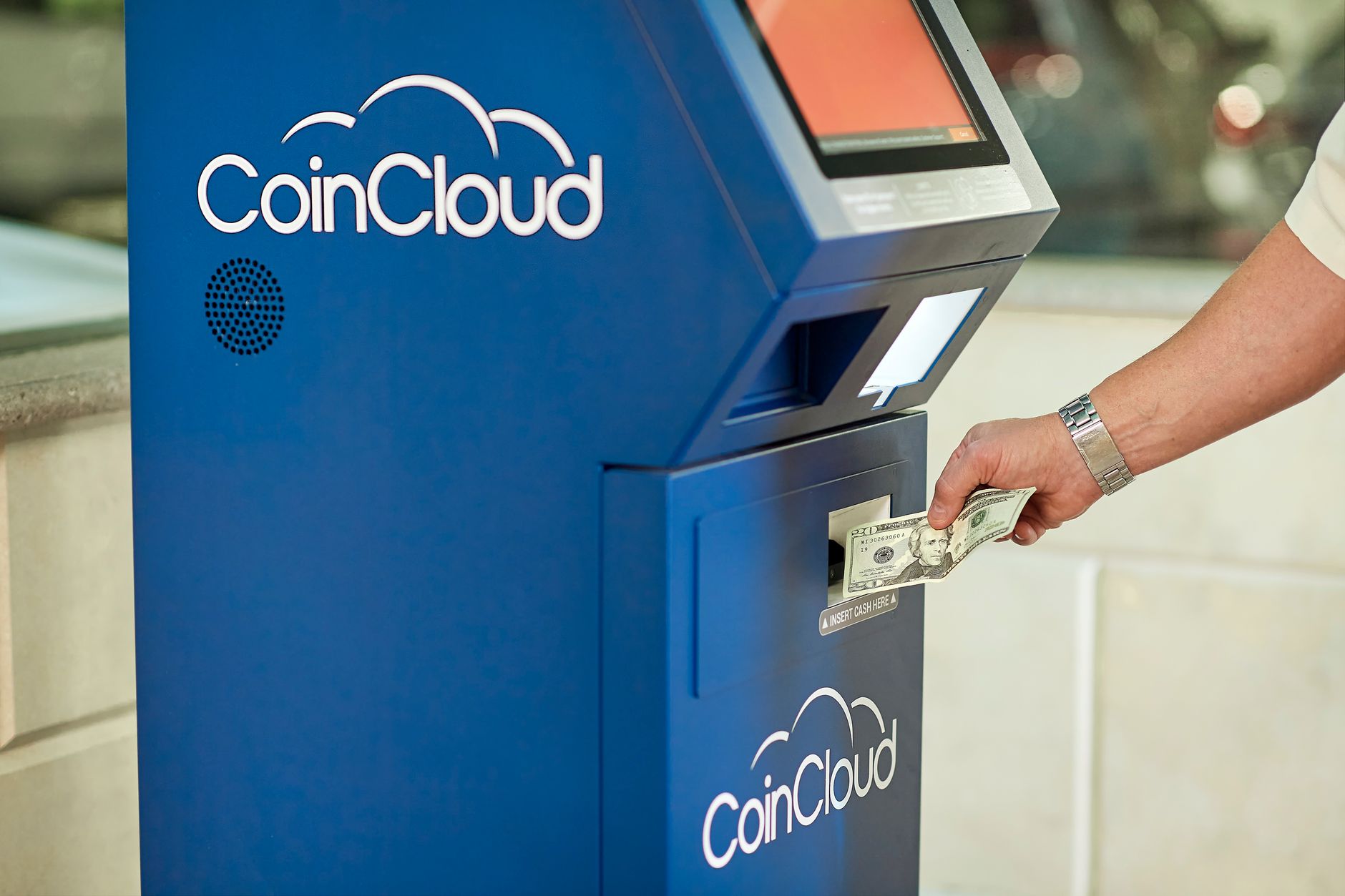
Advocacy group AARP is pressing Texas lawmakers to tighten regulation of cryptocurrency ATM kiosks after a rising number of older residents reported losing money to scams that funnel victims through the machines. According to the organization, elderly Texans have been persuaded by fraudsters to withdraw cash and convert it into digital currency at unattended kiosks, only to see the funds disappear into wallets controlled by scammers.
The scheme typically begins with a phone call, text message or online contact posing as a government agency, a romantic interest, or a legitimate investment opportunity. Victims are instructed to visit a nearby crypto kiosk—often located in convenience stores, gas stations or strip malls—and deposit cash that is then converted into cryptocurrency and sent to an account the scammer controls. Because blockchain transactions are largely irreversible, once the funds leave the kiosk they are extremely difficult, and often impossible, to recover.
AARP’s warning underscores a regulatory gap that has drawn scrutiny from consumer advocates for several years: unlike traditional banks, which are subject to extensive anti-fraud and know-your-customer requirements, many crypto kiosk operators face comparatively light oversight. That disparity, the group argues, leaves point-of-sale crypto transactions more exposed to abuse, particularly among older adults who may be less familiar with how digital currencies work or how quickly a transfer becomes final.
Calls for Tighter Oversight and Consumer Safeguards
In response, AARP is urging stricter licensing, enforcement, and consumer-protection measures for kiosk operators, including safeguards that could flag suspicious transaction patterns or impose transaction limits and waiting periods for first-time or unusually large deposits. The organization frames the push as part of a broader effort to close gaps that scammers have exploited as cryptocurrency has become more accessible through physical kiosks rather than only online exchanges.
The Texas cases are consistent with a wider pattern observed globally, in which fraudsters increasingly steer victims toward emerging payment technologies specifically because those channels lack the reversal mechanisms and dispute processes built into conventional banking and card networks. Once cash is converted to crypto and transferred, recovery typically depends on cooperation from exchanges or law enforcement tracing the funds—a process that is often slow and frequently unsuccessful.
While the reported incidents are specific to Texas, the underlying vulnerability is not confined to the United States. The UAE and other Gulf states have seen rapid growth in cryptocurrency adoption and infrastructure in recent years, alongside sizable populations of older residents and expatriates who may be less versed in digital-asset mechanics. Although no comparable kiosk-fraud cases have been publicly documented in the UAE or wider GCC to date, regulators in the region—including those overseeing virtual-asset activity in Dubai and Abu Dhabi—have generally emphasized licensing and consumer-protection frameworks for exchanges and service providers.
Financial-crime specialists have long noted that irreversible, semi-anonymous payment rails are particularly attractive to fraud networks, a dynamic that is expected to persist as crypto kiosks and ATMs proliferate in new markets. Consumer advocates in the US and elsewhere continue to recommend that individuals verify unsolicited investment requests independently, avoid transferring funds to unknown parties through cash-to-crypto machines, and treat any urgent demand for a kiosk-based payment as a potential warning sign of fraud.