
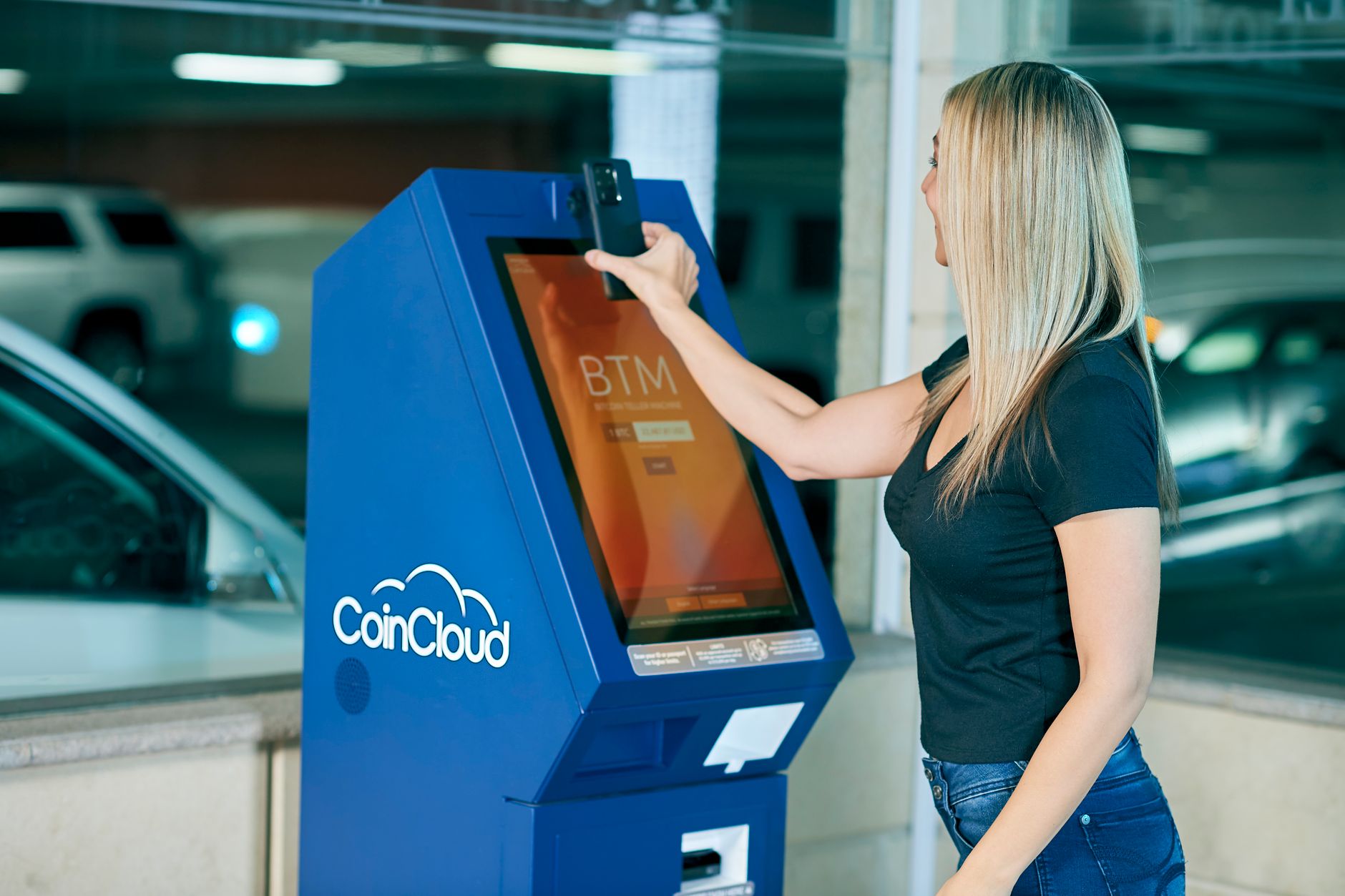
The city of Port Huron, Michigan, is introducing a new requirement that operators of cryptocurrency automated teller machines register with the city, according to a report by WSMH. The measure is aimed at bringing local oversight to a growing number of kiosks that allow residents to buy or sell digital currencies such as Bitcoin using cash, a service that has expanded rapidly across small and mid-sized American cities in recent years.
Cryptocurrency ATMs function much like traditional bank machines but instead of dispensing cash for a bank withdrawal, they allow users to convert cash into cryptocurrency, or in some cases exchange crypto holdings back into cash. The machines are typically installed in convenience stores, gas stations and other retail locations, often operated by third-party companies rather than the property owners themselves.
City officials in Port Huron have not detailed the exact number of machines currently operating within municipal limits, but the push to require registration reflects a broader trend among U.S. local governments seeking greater visibility into how these machines are used and who is deploying them. Registration requirements typically allow cities to track the location of machines, identify the companies responsible for their operation, and establish a point of contact for consumer complaints or law enforcement inquiries.
Why Cities Are Scrutinizing Crypto Kiosks
Crypto ATMs have drawn increasing attention from regulators and consumer protection agencies across the United States in recent years, largely due to their association with fraud schemes. Scammers have in some cases directed victims, often elderly individuals or people unfamiliar with digital assets, to deposit cash into these machines as part of romance scams, fake tech-support calls or impersonation schemes involving supposed law enforcement or government agencies. Because cryptocurrency transactions are difficult to reverse once completed, funds sent through these kiosks are often unrecoverable.
By requiring operators to register with the city, Port Huron joins a number of municipalities that have sought to introduce a layer of local accountability without imposing an outright ban on the machines. Such measures can also pave the way for additional consumer safeguards, including transaction limits, mandatory fraud warnings displayed on-screen, or reporting obligations tied to suspicious activity, although the specific provisions of Port Huron’s registration framework have not been fully outlined in available reporting.
The move mirrors a pattern seen in other U.S. states, where lawmakers and city councils have introduced licensing regimes, transaction caps and disclosure requirements for crypto ATM operators amid rising complaints of scam-related losses funneled through the machines.
Limited Direct Relevance to Gulf Markets
The regulatory step in Port Huron is a local U.S. municipal matter and does not carry a direct connection to cryptocurrency markets or regulatory frameworks in the UAE or wider Gulf region. The UAE has developed its own distinct regulatory architecture for digital assets, overseen by federal and free-zone authorities including the Securities and Commodities Authority, the Dubai Virtual Assets Regulatory Authority and financial free zones such as the Abu Dhabi Global Market, which operate independently of U.S. municipal or state-level rules.
Nonetheless, the Port Huron case illustrates a broader global pattern in which local and national authorities are moving to tighten oversight of physical cash-to-crypto access points as a response to fraud risks, a theme that regulators worldwide, including in the Gulf, continue to monitor as digital asset adoption expands.





