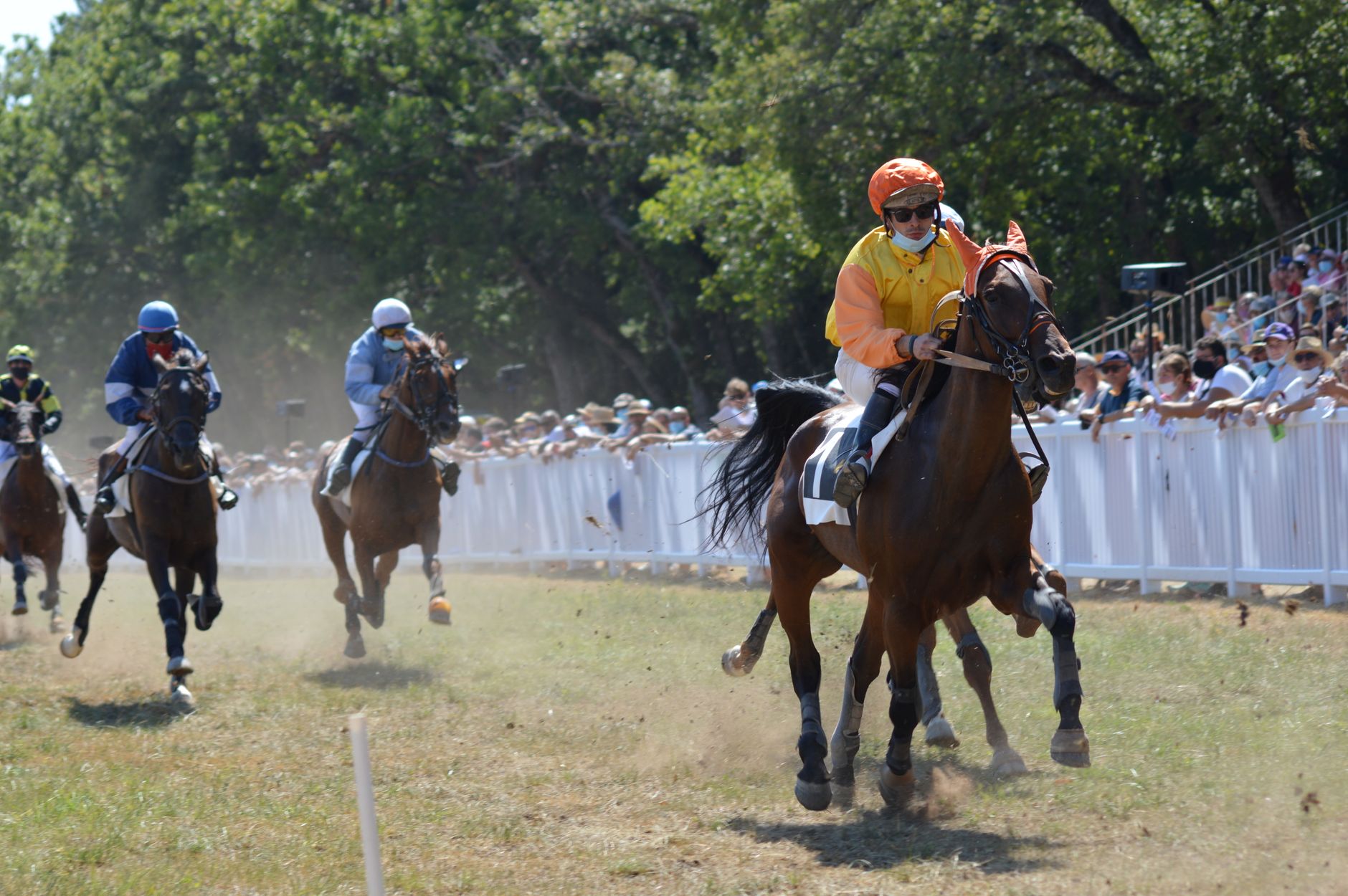
Governor Wes Moore’s office has received a wave of support from community leaders, horse racing industry figures, and business representatives following the announcement of new plans tied to the future of the Preakness Stakes, one of the most prominent events on the American horse racing calendar. The reaction, compiled and publicized by the Governor’s office, points to broad backing across sectors that intersect with the historic race, though the full scope of the announcement itself has not been detailed publicly.
The Preakness Stakes, traditionally held at Pimlico Race Course in Baltimore, is the second leg of the U.S. Triple Crown and has long served as an economic driver for the surrounding region, drawing visitors, hospitality spending, and media attention each spring. Any policy shift or investment tied to the race’s infrastructure or long-term hosting arrangements typically carries weight not only for the sport but for the broader Maryland economy, given the tourism, employment, and small business activity generated around race weekend.
According to statements circulated by the Governor’s office, individuals representing the horse industry, alongside local business groups and community figures, expressed approval of the direction outlined in the announcement. While specific commitments, funding figures, or implementation timelines were not disclosed in the material released, the tone of the reaction suggests stakeholders view the move as a step toward securing the race’s future in the state and reinforcing its status as a signature sporting event.
Economic Stakes for Maryland’s Racing Industry
Horse racing remains a significant contributor to Maryland’s rural and semi-rural economies, supporting breeding operations, training facilities, veterinary services, and seasonal employment tied to race meets. Industry advocates have periodically called for state-level support to modernize aging racing infrastructure and ensure that marquee events like the Preakness continue to be hosted competitively against other jurisdictions vying for major racing dates and investment.
Business community reaction, as referenced by the Governor’s office, appears to align with concerns about preserving the economic footprint of race weekend, which has historically included hotel bookings, restaurant and retail activity, and regional branding benefits for Baltimore and the state more broadly. Community leaders cited in the announcement’s aftermath reportedly framed the development as reassurance that the race, and the jobs and commerce associated with it, will remain anchored in Maryland.
From a global horse racing perspective, major North American races such as the Preakness periodically attract attention from international ownership groups and bloodstock investors, including entities based in the Gulf region, where thoroughbred racing has become an established part of the sporting and investment landscape through ventures tied to prominent regional racing operations. However, the specific announcement from Governor Moore’s office does not indicate any direct Gulf investment, partnership, or trade dimension, and its relevance for now remains centered on Maryland’s domestic racing industry and local economic stakeholders.
Further details on the scope of the Governor’s plan, including any funding mechanisms, infrastructure commitments, or long-term hosting guarantees for the Preakness Stakes, are expected to emerge as the state government provides additional public briefings. Industry observers and local officials are likely to continue weighing in as the practical implications of the announcement become clearer in the lead-up to future race seasons.