Policymakers and business leaders across the Gulf are continuing to watch international economic developments closely, as shifting trade patterns, monetary policy decisions in major economies, and volatility in energy markets shape the outlook for regional growth. While global conditions remain in flux, officials in the UAE and neighboring Gulf states have reiterated that ongoing efforts to diversify national economies away from hydrocarbon dependence remain a central priority, regardless of short-term swings in international markets.
Economic analysts note that the Gulf region has spent the past several years building resilience through investment in non-oil sectors, including manufacturing, logistics, tourism, financial services, and technology. This strategic shift has allowed GCC economies to absorb external shocks with greater flexibility than in previous decades, when government revenues and fiscal planning were more tightly linked to oil price fluctuations.
The UAE, in particular, has positioned itself as a hub for foreign direct investment, leveraging free zones, streamlined business licensing, and a stable regulatory environment to attract multinational companies and entrepreneurs. Dubai and Abu Dhabi continue to compete for global capital by expanding financial infrastructure, easing residency requirements for investors and skilled professionals, and promoting sectors such as fintech, renewable energy, and advanced logistics.
Regional Implications for Trade and Investment
For Gulf economies, sustained attention to global market conditions is not merely academic. Shifts in international demand, currency movements, and central bank policy in major economies directly affect capital flows into the region, the cost of borrowing for GCC-based corporations, and the competitiveness of Gulf exports. Given the UAE’s role as a re-export and trading hub connecting Asia, Europe, and Africa, any disruption to global supply chains or trade routes tends to have an outsized effect on regional commerce.
Business groups in the UAE and Saudi Arabia have emphasized the importance of maintaining investor confidence through transparent economic policy and consistent regulatory frameworks, particularly as competition intensifies among emerging markets seeking to attract the same pools of international capital. Analysts suggest that Gulf sovereign wealth funds, which manage substantial global asset portfolios, will continue to play a stabilizing role by adjusting allocations in response to shifting risk conditions abroad.
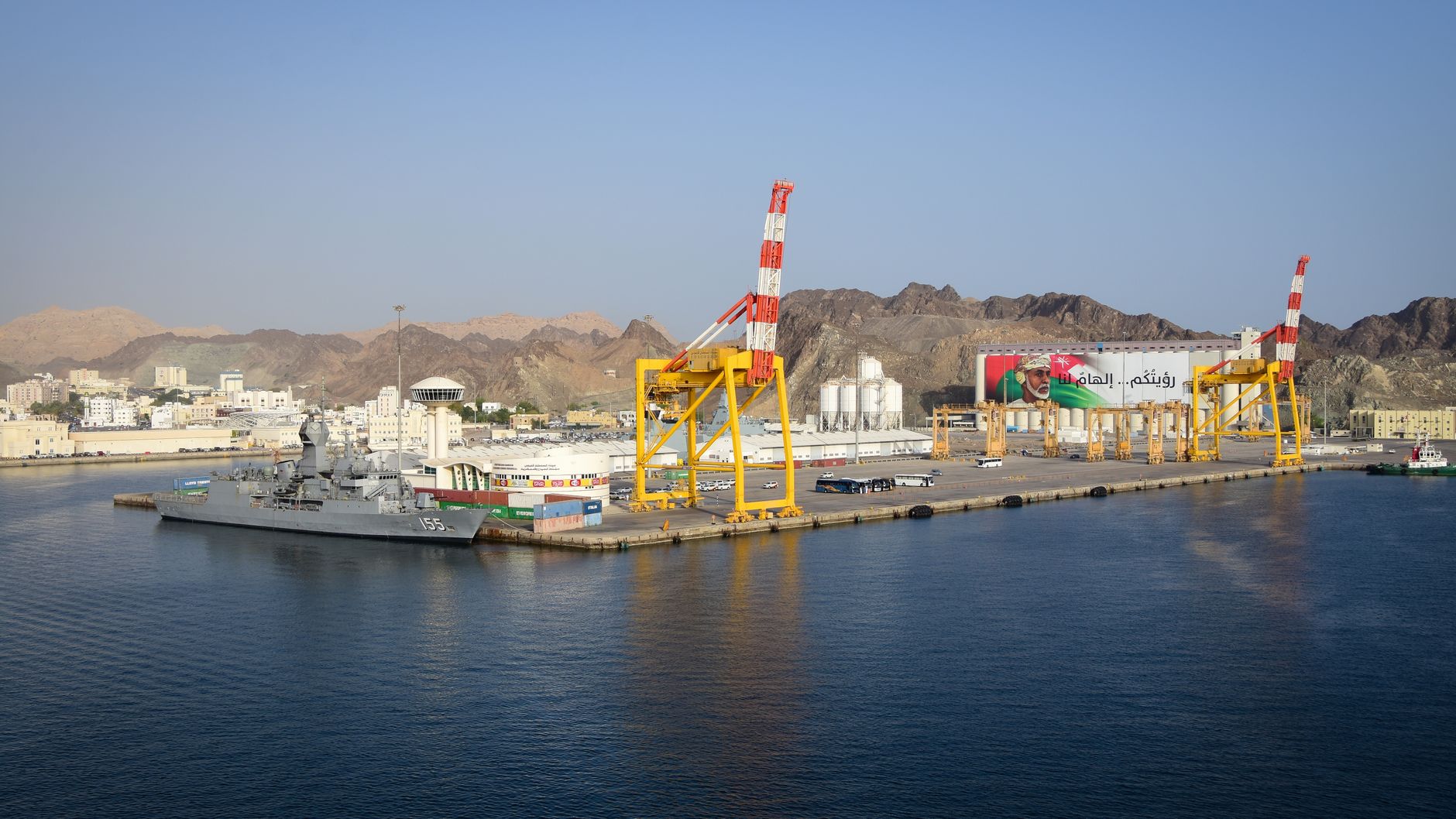
At the same time, regional trade bodies have highlighted opportunities arising from realignment in global supply chains, as companies seek alternative manufacturing and logistics bases outside traditional hubs. The UAE’s ports, airports, and industrial zones are frequently cited as beneficiaries of this trend, given their established connectivity and ease of doing business.
Looking ahead, economists tracking the region expect GCC governments to maintain a dual-track approach: monitoring international economic indicators for near-term risks while continuing long-term structural reforms aimed at reducing oil dependency. This includes ongoing investment in education, digital infrastructure, and public-private partnerships designed to create sustainable, knowledge-based economic growth.
As global uncertainty persists, the Gulf’s ability to adapt swiftly to changing conditions is likely to remain a key theme in regional economic discourse, with the UAE frequently cited as a benchmark for successful diversification strategy among oil-exporting nations navigating an increasingly complex global economy.