Dubai: Two GCC-based artificial intelligence startups have closed significant pre-seed funding rounds this month, signalling sustained investor appetite for infrastructure-layer AI even as overall MENA startup funding cools. The deals come as regional venture capital increasingly favours sovereign and enterprise-grade AI platforms over consumer-facing applications.
Infrastructure Bets Gain Momentum
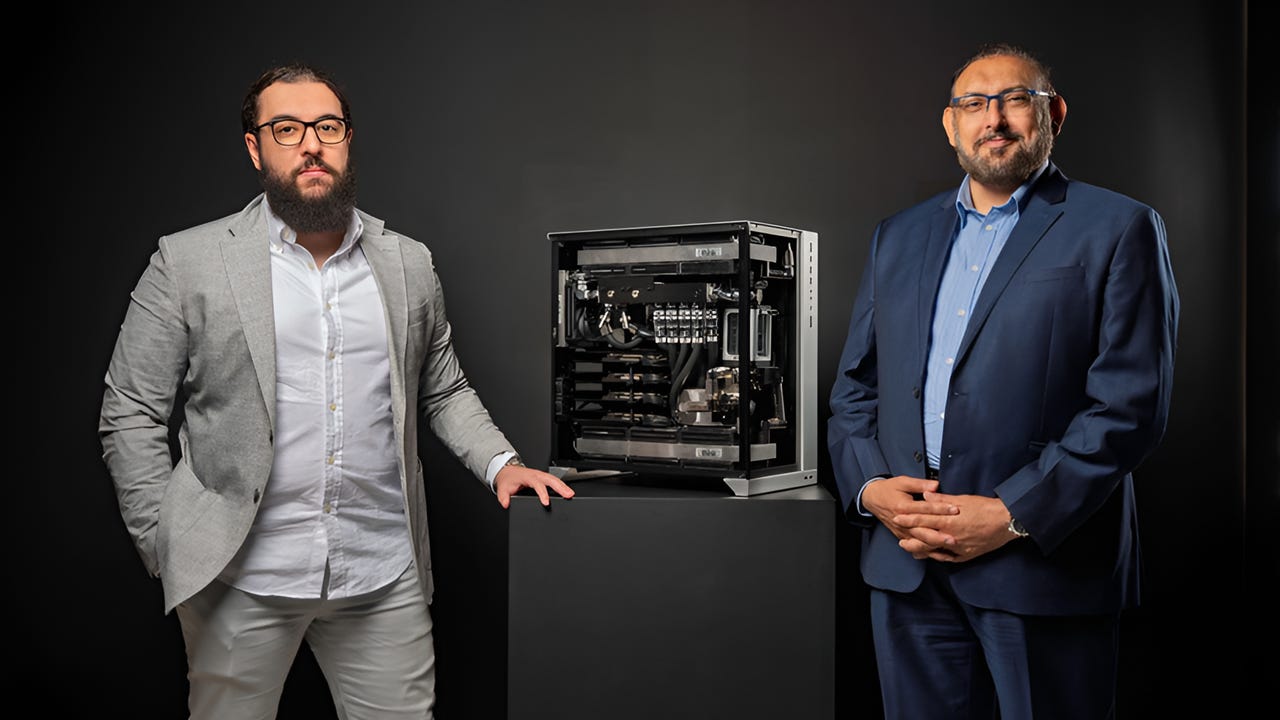
Saudi Arabia-based Think, an AI infrastructure startup founded in 2025 by Ahmed AlSharif and Ammar, has raised more than $8 million in pre-seed funding, co-led by RAED Ventures and Wa’ed Ventures. The round is being described as the largest AI infrastructure pre-seed raise in MENA to date, and positions Think for expansion across the GCC with the backing of two prominent regional venture arms.
Separately, UAE-based AVELIN AI closed $3.7 million in pre-seed funding from angel investors, aimed at scaling a sovereign AI platform built around data ownership and regulatory compliance for enterprise and government clients. The focus on sovereignty reflects growing demand across the Gulf for AI systems that keep sensitive data within national or regional jurisdiction, a priority for public-sector buyers in the UAE and Saudi Arabia alike.
Both raises illustrate a broader pivot among regional investors towards the underlying infrastructure that powers AI applications, rather than the applications themselves, a shift founders and backers argue offers more defensible, government-aligned business models.
Funding Landscape Remains Uneven
The infrastructure deals arrive against a backdrop of softer overall funding across MENA. Startups in the region raised $1.7 billion across 242 rounds in the first half of 2026, an 18 percent decline from the $2.1 billion recorded in H1 2025, according to Wamda data. The dip reflects continued geopolitical volatility and investor caution in broader consumer and fintech categories, even as deep-tech and AI infrastructure bets buck the trend.
Talent pipelines are also being reinforced. Propeller’s inaugural Kernel Camp, an eight-week residency programme, graduated five AI and deep-tech startups drawn from Tunisia, Morocco, Jordan and Egypt, pointing to efforts to broaden the region’s AI founder base beyond the Gulf’s traditional hubs.
For founders and investors tracking the region, the divergence between headline funding softness and targeted enthusiasm for AI infrastructure suggests capital is consolidating around fewer, higher-conviction bets. As sovereign AI ambitions harden into policy across the GCC, expect further infrastructure and compliance-focused raises to outperform the broader MENA funding slowdown through the remainder of 2026.
Sources: Wamda