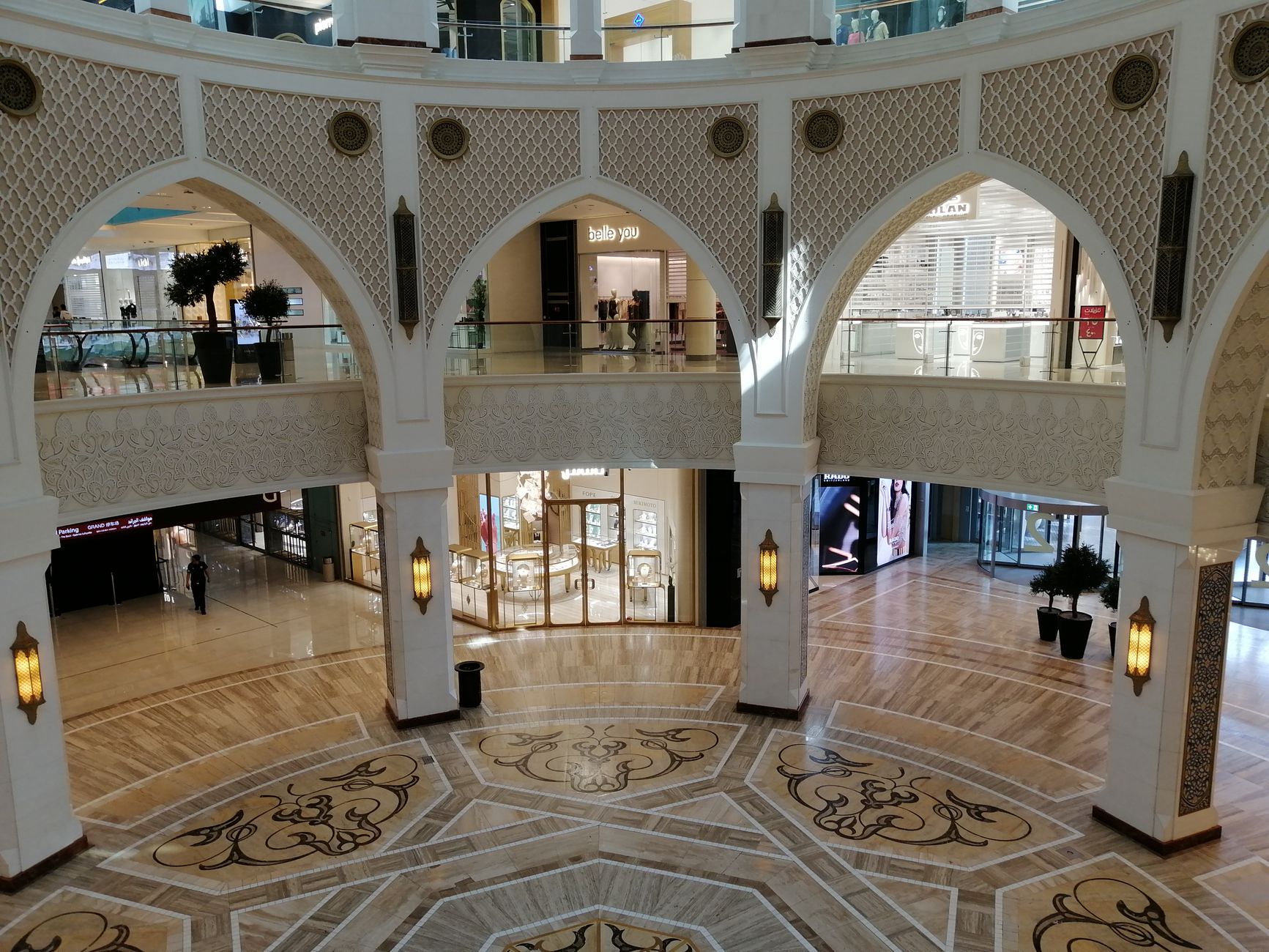
A minor accident involving a child at Mall of the Emirates, one of Dubai’s most visited retail and leisure destinations, has drawn attention after the response from mall staff following the incident was described as notably swift and considerate. According to an account shared by the child’s father, his daughter slipped and sustained an injury while inside the mall, prompting an on-site response that left a lasting impression on the family. While specific details of the medical response, compensation, or follow-up communication have not been fully disclosed, the episode has since been cited as an example of how large retail landlords in Dubai are expected to manage customer welfare within their properties.
Mall of the Emirates, developed and operated by Majid Al Futtaim, is among the largest mixed-use retail assets in the emirate, combining shopping, entertainment, hospitality and leisure facilities under one roof. As with other flagship malls across the UAE, it draws a high volume of daily footfall from residents and tourists alike, making incident response protocols an operational priority for property managers overseeing such high-traffic real estate assets.
What It Signals for Dubai’s Retail Real Estate Sector
The wider relevance of the story lies less in the specifics of the incident itself and more in what it illustrates about the operational expectations placed on large-format retail real estate in the UAE. Malls in Dubai are not simply shopping venues; they function as significant commercial real estate assets whose value is closely tied to visitor experience, safety standards, and reputation management. Property owners and asset managers in the retail segment are increasingly judged not only on footfall and leasing performance but also on how effectively they handle customer incidents, given the potential impact on brand trust and repeat visitation.
For Dubai’s retail property sector, which continues to attract significant investment amid the emirate’s broader growth in tourism and population, stories such as this one underscore the operational due diligence expected of landlords managing large public-facing developments. Malls represent some of the most valuable real estate assets in the UAE, and their day-to-day management—covering everything from safety infrastructure to staff training and emergency response—forms a core part of asset performance that is often less visible than leasing rates or occupancy figures but equally material to long-term value.
Industry observers note that in a market where retail real estate competes heavily for consumer loyalty, incidents involving customer welfare, however minor, can shape public perception of a property and, by extension, its operator. In the UAE and wider GCC, where mega-malls serve as anchor assets within larger master-planned communities and mixed-use developments, the handling of such situations is increasingly viewed as part of broader property management standards rather than an isolated customer service matter.
While the account originating from the child’s father has circulated as a personal experience rather than a formal statement from Majid Al Futtaim or Mall of the Emirates management, it adds to a growing body of anecdotal commentary on how UAE retail landlords are perceived to handle on-site incidents. For a regional audience following the performance and reputation of major real estate assets, such stories serve as a reminder that operational responsiveness remains an important, if less quantifiable, component of asset management in the Gulf’s competitive retail property landscape.