
DEWA just pulled off one of the biggest clean energy refinancing deals in the region, and it landed ahead of schedule. Saeed Mohammed Al Tayer, Managing Director and CEO of Dubai Electricity and Water Authority, announced the successful $2.70 billion refinancing of Noor Energy 1, the fourth phase of the Mohammed bin Rashid Al Maktoum Solar Park. For anyone tracking Dubai’s energy sector or looking at where global lenders are putting their money right now, this is a big signal.
What just happened at DEWA, and why Dubai’s solar park keeps making headlines
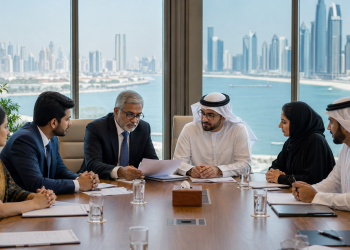
The announcement came during an event at Al Sheraa, DEWA’s headquarters in Dubai. Lenders, sponsors, partners and the Noor Energy 1 refinancing team were all in the room. Al Tayer said the deal closed well ahead of its target date, which is notable in itself. Big infrastructure refinancings usually drag on, so beating the clock here says something about how smoothly this one came together.
Noor Energy 1 isn’t a small project. It runs on 950 megawatts of capacity and blends three different solar technologies: concentrated solar power (CSP), parabolic trough systems and photovoltaic panels. It also has up to 15 hours of thermal energy storage built in, meaning it can keep producing power well after the sun goes down. That storage capability is what makes it stand out globally. Al Tayer called it a national asset and described it as the world’s largest single-site concentrated solar power project, a title that puts Dubai firmly on the map for large-scale renewable energy.
Why this $2.70 billion deal matters beyond Dubai
Refinancing a project of this size isn’t just paperwork. It reflects how much confidence international, regional and local financial institutions have in the UAE, in Dubai specifically, and in DEWA as a borrower. Al Tayer made that point directly, saying the transaction shows the level of trust global lenders are placing in the emirate’s energy strategy.
For UAE and GCC investors, this kind of deal is worth watching closely. It signals that large renewable energy assets in the region can attract serious international capital, even in a market where interest rates and financing conditions have been tighter in recent years. It also reinforces Dubai’s push toward diversifying its power mix, mixing solar, storage and grid reliability into one project rather than relying on a single energy source.
This isn’t happening in isolation either. Around the same time, Sharjah Islamic Bank issued a $500 million Sukuk that pulled in $1.3 billion in orders, more than double what was on offer. Together, these two deals paint a picture of strong appetite from global investors for UAE-based financial instruments, whether that’s project refinancing or Islamic bond issuances. If you’re watching the broader investment news coming out of the UAE this year, both stories point the same direction: money is flowing in, and it’s flowing with confidence.
What should you take away from this if you’re not a banker or a bond trader? Simply put, when a project like Noor Energy 1 gets refinanced early and at this scale, it tells you lenders believe in its long-term cash flow and in Dubai’s energy sector broadly. That matters for anyone with money in UAE-linked funds, real estate tied to infrastructure growth, or businesses that depend on stable, affordable power. A well-financed solar park keeps electricity costs predictable, which trickles down to everything from data centres to manufacturing to your own utility bill.
Next, watch for how DEWA uses this refinancing to fund future phases of the solar park, and whether other GCC utilities try to replicate the model. As reported by WAM, the deal is being framed as more than a financial transaction. It’s a statement about where global capital sees value in the region’s clean energy future.