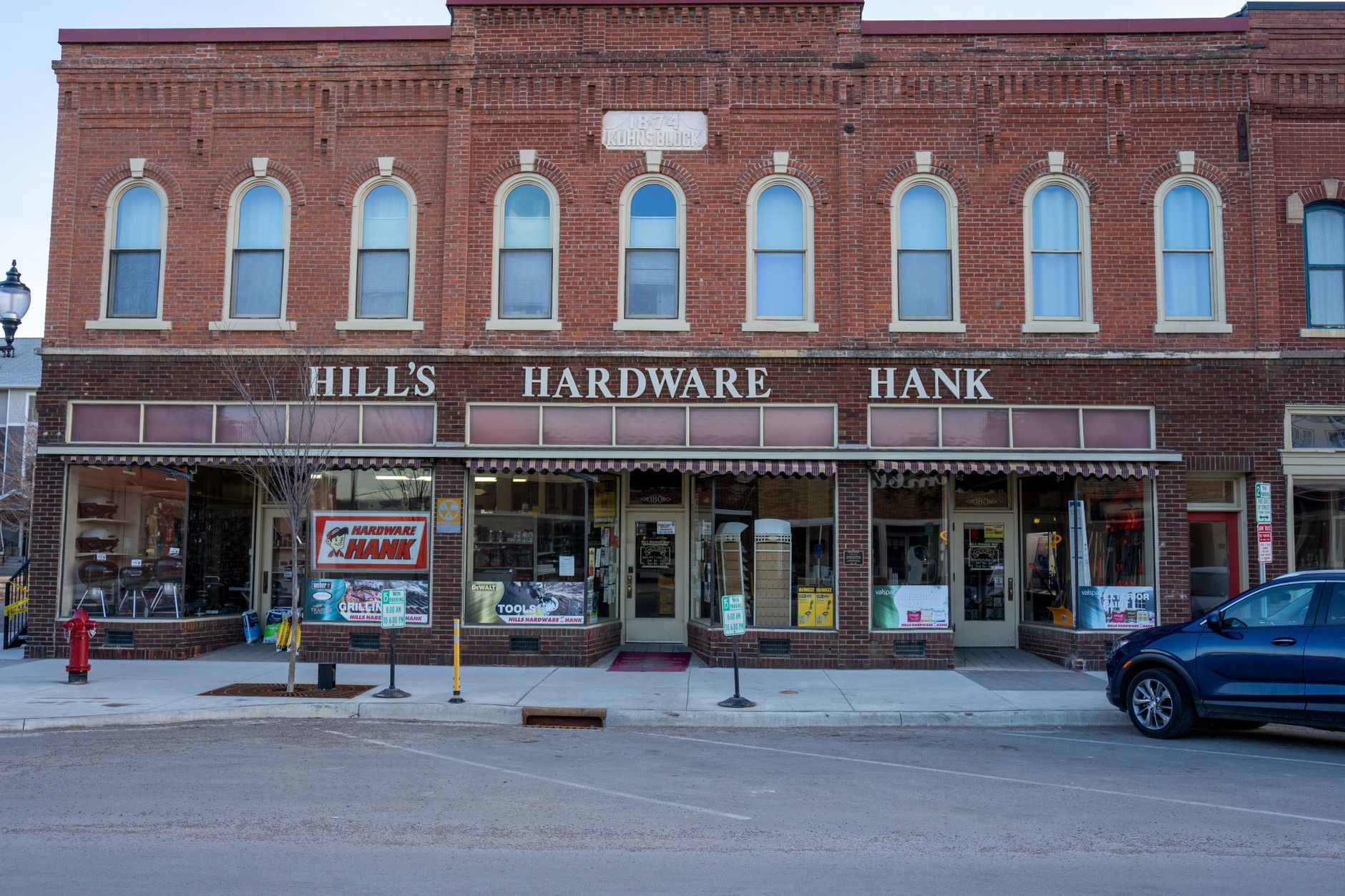
The State of Delaware has begun accepting applications for its Business on Main Street Accelerator, a program designed to support small and local businesses operating in the state’s commercial corridors. The initiative, announced through official state channels, forms part of Delaware’s broader efforts to strengthen Main Street economies and encourage sustained business activity in town centers and neighborhood commercial districts.
While the state has not released a full breakdown of funding levels, sector priorities, or application deadlines in its initial announcement, the accelerator is positioned as a support mechanism for small enterprises seeking to grow, stabilize, or expand their footprint within local business districts. Programs of this nature typically combine elements such as technical assistance, mentorship, and in some cases direct financial support, though Delaware has yet to publish the specific structure of benefits available to accepted participants this cycle.
The move reflects a continuing trend among U.S. state governments to channel targeted support toward small businesses that anchor local economies, particularly in the wake of broader economic pressures that have affected retail corridors and independent enterprises across the country. Main Street-style accelerators have become a common policy tool in several states, generally aimed at businesses that are already operational but seeking resources to scale, modernize, or improve resilience.
Limited Direct Relevance for Gulf Businesses, But Part of a Familiar Model
For readers in the UAE and wider Gulf region, the Delaware program itself carries little direct application, as it is structured around local U.S. commercial districts rather than international participation. The announcement does not indicate any provision for overseas applicants or cross-border business involvement, and there is no stated connection to sectors with strong Gulf trade or investment ties, such as fintech, logistics, or energy technology.
Even so, the initiative is broadly illustrative of a policy approach that has parallels in the Gulf’s own small business support ecosystem. UAE entities such as the Mohammed Bin Rashid Establishment for SME Development and various emirate-level enterprise agencies have similarly used accelerator and grant-style programs to support small business growth, often combining mentorship with funding access. Regional business owners and policymakers tracking global small-enterprise support models may find Delaware’s approach a useful reference point, particularly as GCC governments continue to diversify their economies and expand support for entrepreneurs outside the oil and gas sector.
Delaware’s program also underscores how U.S. states continue to treat small business vitality as a matter of direct public policy, often tying such initiatives to downtown revitalization and local employment goals. This mirrors, in a general sense, Gulf governments’ own emphasis on SME development as a pillar of long-term economic diversification strategies, even though the specific mechanics, funding sources, and target sectors differ substantially between the two contexts.
Further specifics on Delaware’s Business on Main Street Accelerator, including eligibility requirements, funding structure, and application timelines, are expected to be detailed as the state processes applications and moves forward with the program. Businesses and observers seeking more granular information will need to await additional disclosures from Delaware state authorities, as the initial announcement offered only a broad outline of the initiative’s scope and intent.