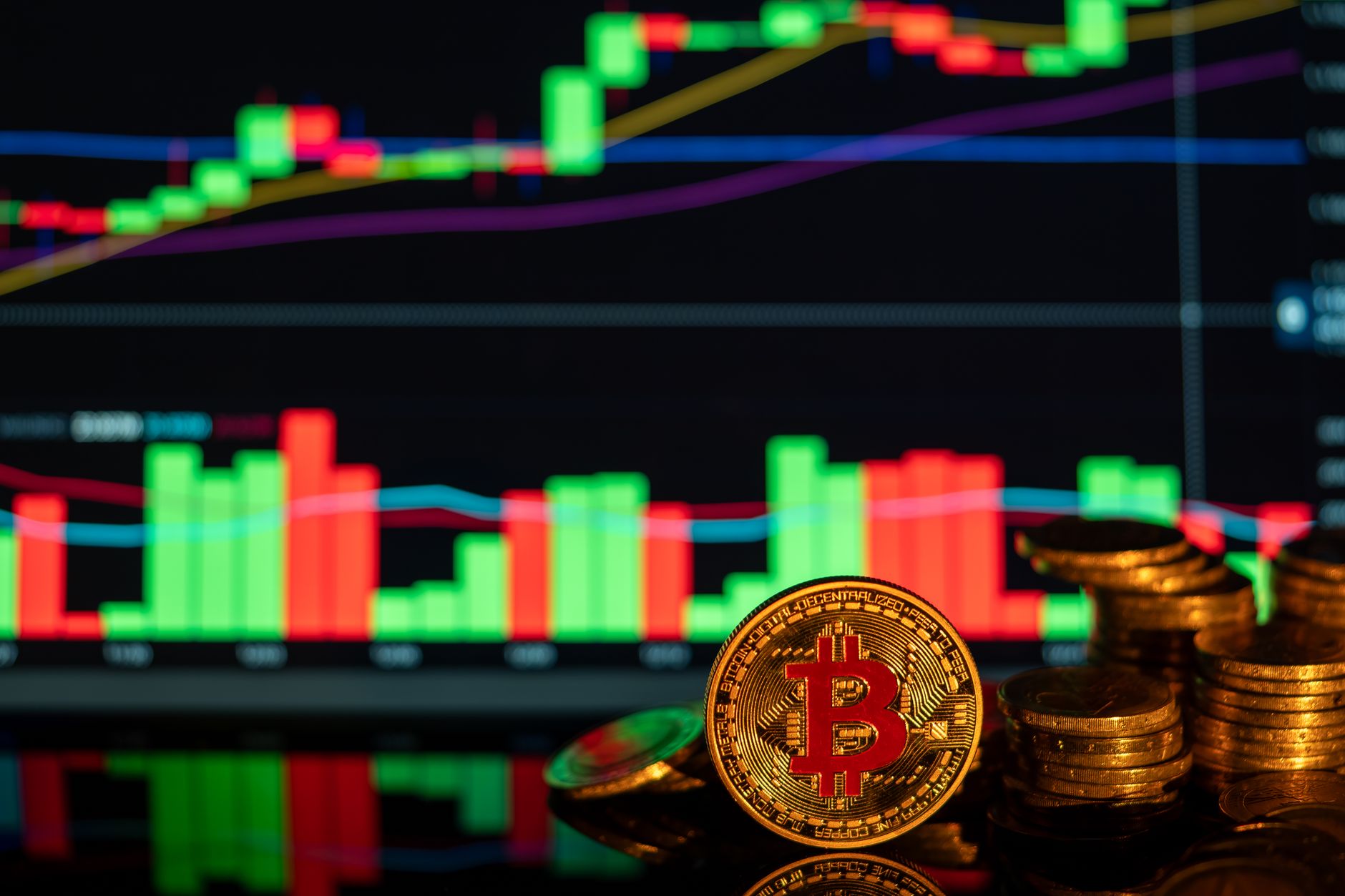
Cryptocurrency-linked stocks advanced broadly on the U.S. market, with stablecoin issuer and payments company Circle (CRCL.US) leading the gains, climbing nearly 10 percent on the day. The rally extended across the wider digital asset equity space, pointing to renewed investor appetite for companies tied to blockchain and cryptocurrency infrastructure, even as the specific trigger behind the move was not immediately clear from available trading data.
Circle, which operates one of the world’s largest dollar-pegged stablecoins, has drawn heightened investor attention since its public listing, with its share price often reflecting broader sentiment toward the digital asset sector as well as company-specific developments around stablecoin adoption and regulatory clarity in the United States. The scale of Wednesday’s gain placed it among the standout performers in a session where crypto-related names generally outperformed the wider market.
Other companies with exposure to cryptocurrency mining, trading platforms, and blockchain infrastructure also traded higher, though none matched the magnitude of Circle’s advance. Analysts tracking the sector often point to a mix of factors that can drive such broad rallies, including shifts in bitcoin and other token prices, expectations around U.S. regulatory policy, and general risk appetite among equity investors. None of these specific catalysts was confirmed for this session, but the breadth of the move suggested sentiment across the sector had turned positive rather than the gains being isolated to a single company or news event.
Why It Matters for Gulf Investors
While the rally itself unfolded entirely within U.S. equity markets, it carries relevance for investors across the UAE and wider Gulf region, where interest in digital assets and crypto-adjacent equities has grown steadily in recent years. The UAE, and Dubai and Abu Dhabi in particular, have positioned themselves as regional hubs for cryptocurrency and blockchain business, with local regulators having built out licensing frameworks for virtual asset service providers and stablecoin issuers operating in and from the emirates.
That regulatory environment has encouraged a growing base of institutional and retail investors in the Gulf to hold exposure to U.S.-listed crypto companies such as Circle, either directly through brokerage accounts or indirectly through funds and portfolios with international equity allocations. For these investors, sharp single-day moves in stocks like Circle can have a direct bearing on portfolio performance, even though the underlying catalyst originates outside the region.
Stablecoins in particular have drawn close attention from Gulf-based financial institutions and regulators, given their growing use in cross-border payments and settlement, areas of strategic interest to UAE authorities as they work to diversify the country’s financial services sector. Movements in the share price of a major stablecoin issuer such as Circle are therefore watched not only by portfolio holders but also by regional policymakers and financial firms assessing the pace of institutional adoption of digital assets globally.
No UAE or GCC-based companies were directly implicated in the day’s trading activity, and the rally was reported strictly as a U.S. market phenomenon. Still, the scale of gains across crypto-related equities offers a signal that Gulf-based market participants, increasingly integrated into global digital asset markets, are likely to continue monitoring closely as the sector’s volatility persists.