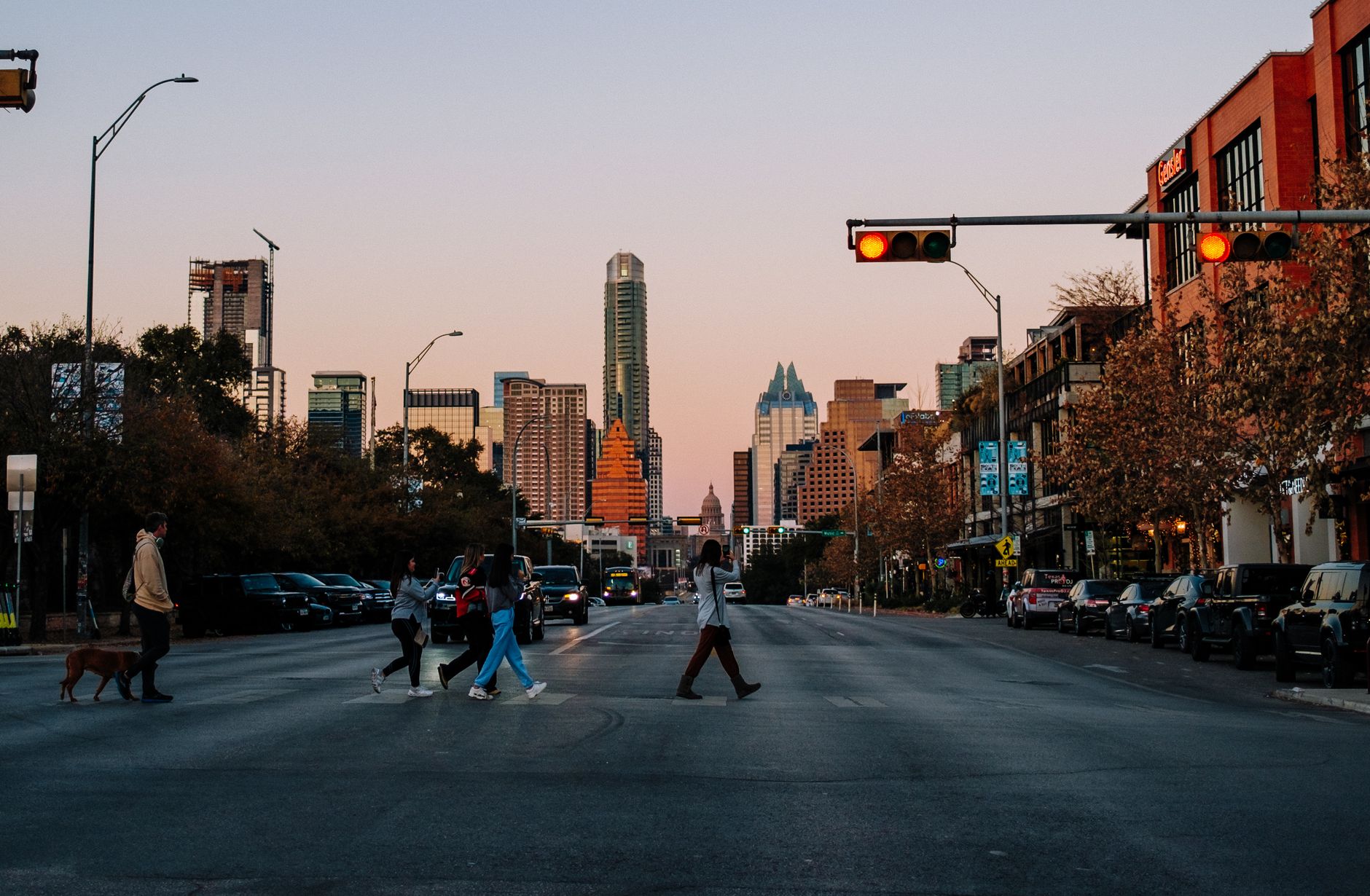
Austin officials are examining a proposal to rename Cesar Chavez Street, a major downtown corridor that runs along the Colorado River and serves as a key artery for businesses, residents, and civic institutions in the Texas capital. The consideration has prompted a round of public feedback, with residents and business owners in the area being asked to weigh in on whether the street should retain its current name or be changed.
Cesar Chavez Street, named after the late labor leader and civil rights activist, cuts through one of Austin’s most commercially active zones, intersecting with other prominent roads and running past a mix of restaurants, offices, and residential developments. Any change to the street’s name would carry practical implications for the businesses and property owners along its length, including updates to signage, addresses, permits, and marketing materials.
City officials have not yet detailed the specific rationale driving the renaming discussion, nor have they confirmed a timeline for when a final decision might be made. The process is understood to involve gathering input from affected stakeholders before any formal proposal advances through Austin’s city government structures.
Local Stakeholders Voice Mixed Reactions
As with many municipal renaming debates in the United States, the discussion in Austin appears to be drawing a range of opinions from those directly affected. Business owners along the street have a direct financial stake in the outcome, given the administrative costs and potential disruption associated with changing a commercial address. Residents, meanwhile, may have views shaped by the street’s history, its namesake’s legacy, or practical concerns about daily life in the neighborhood.
Municipal street-renaming efforts of this kind typically move through a public comment period, review by city planning or naming committees, and eventual approval or rejection by local council members. It remains to be seen which alternative names, if any, have been formally proposed as part of this process, or whether the initiative will proceed to a vote.
The debate in Austin reflects a broader pattern seen in American cities, where street and monument names tied to historical figures periodically come under review as communities reassess public commemoration, local identity, and the practical costs of change. Such decisions often balance symbolic considerations against the administrative and financial burden placed on residents and businesses operating along the affected routes.
This is primarily a municipal governance matter specific to Austin, Texas, with no direct bearing on Gulf markets, investors, or business operations. The story carries no immediate implications for UAE or wider GCC stakeholders, though it illustrates the kind of local civic processes—balancing heritage, identity, and commercial practicality—that municipalities worldwide, including those in the Gulf region, occasionally navigate when addressing public naming and urban identity questions. TAI News will continue to monitor developments as the city of Austin moves forward with its review and any subsequent decision on the matter.