Washington is examining a broader set of financial and logistical channels it says have allowed Iran to continue exporting oil and moving funds despite years of sanctions, with reporting pointing to Chinese banking intermediaries, exchange houses operating out of Dubai, and a fleet of unregistered or re-flagged tankers commonly described as Iran’s “shadow fleet.” The renewed scrutiny reflects an effort by US officials to close gaps in the sanctions regime that have allowed Tehran to keep oil revenue flowing through intermediaries in Asia and the Gulf.
According to the reporting, US authorities view the current enforcement architecture as incomplete, with sanctioned Iranian oil reportedly reaching buyers through a chain of ship-to-ship transfers, flag-switching and payment settlement outside the dollar-based banking system typically monitored by Western regulators. Officials have in the past pointed to smaller Chinese banks as a key link, allowing payments tied to Iranian oil sales to clear without directly exposing larger institutions to US sanctions risk. Dubai’s exchange houses and trading firms have also featured in past sanctions cases as points where funds or goods connected to Iran are converted, transferred or rerouted before reaching their final destination.
Why Dubai’s financial hub features in enforcement efforts
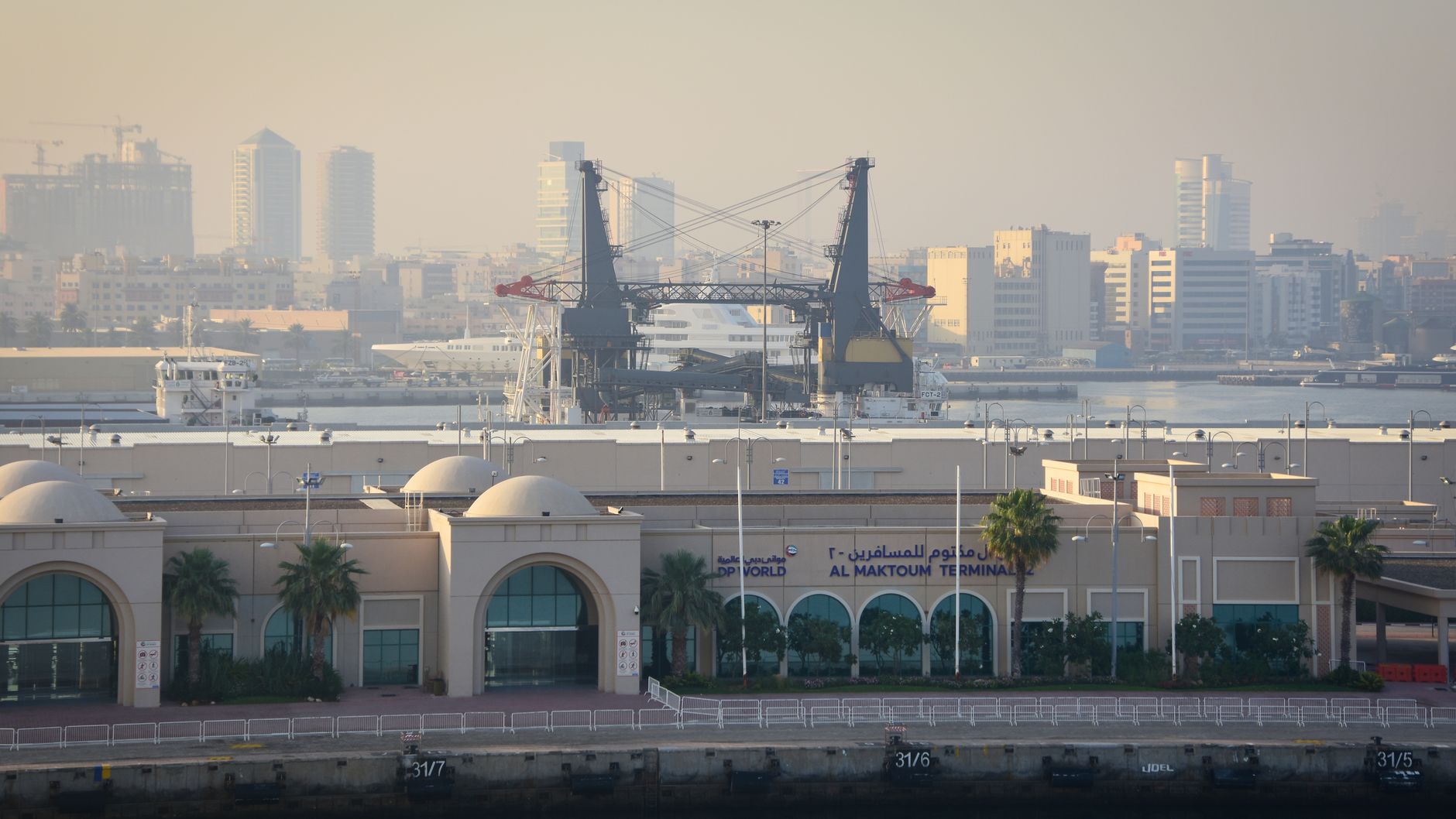
Dubai’s position as one of the region’s largest financial and trading centers, along with its proximity to Iran and deep historical trade ties across the Strait of Hormuz, has repeatedly placed it at the center of discussions around sanctions circumvention. The emirate’s currency exchange and precious metals trading sector, along with its free zones, have long attracted scrutiny from US Treasury officials and international watchdogs concerned about illicit finance, even as UAE authorities have taken steps in recent years to tighten anti-money laundering rules and compliance requirements for exchange houses and trading firms.
The UAE has previously worked to align its financial oversight framework with international standards set by bodies such as the Financial Action Task Force, following earlier findings that flagged weaknesses in the country’s monitoring of trade-based money laundering and cross-border currency flows. Regulators in Abu Dhabi and Dubai have since expanded reporting obligations for exchange houses and strengthened cooperation with US and European counterparts on sanctions compliance, moves that have been credited with improving the country’s standing on international assessments.
For Gulf financial centers, renewed US attention on Iran-linked networks carries direct implications. Banks, exchange houses and trading companies operating in the UAE and across the GCC face heightened compliance expectations, with the risk of secondary sanctions exposure for institutions found to have facilitated transactions tied to sanctioned Iranian entities, even unknowingly. This has pushed compliance departments across the region to invest further in transaction monitoring and know-your-customer systems, particularly for cross-border trade financing and currency exchange activity involving counterparties in Iran, China and other markets flagged by US authorities.
The shadow fleet issue also touches Gulf shipping and maritime security interests directly, given that much of the tanker traffic in question transits waters near the UAE and other GCC states en route to and from the Strait of Hormuz. Ship-to-ship transfers involving vessels with obscured ownership or falsified documentation have raised concerns among regional maritime authorities about insurance liability, environmental risk and the broader integrity of shipping registries operating in Gulf waters.
US officials have not detailed a specific timeline for new enforcement measures, but the reporting suggests further designations targeting banks, trading firms and vessels linked to the Iranian oil trade could follow as part of Washington’s ongoing pressure campaign. UAE authorities have not issued public comment on the latest reporting.