
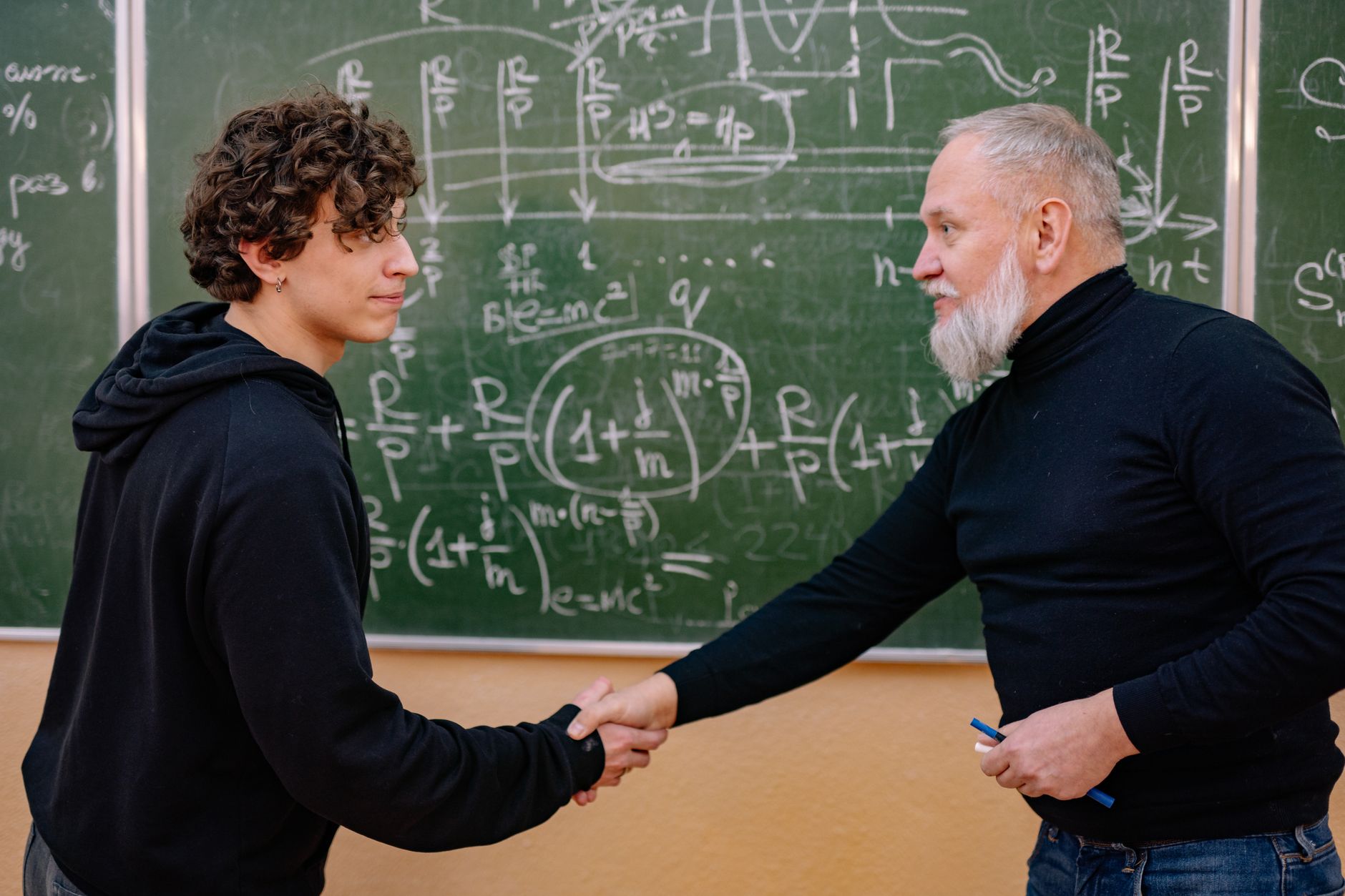
The American University of Beirut (AUB) has hosted the first-ever Lebanese Mathematics Day, bringing together the country’s mathematics community under a single national platform for the first time. The inaugural event drew 341 participants from more than ten universities, secondary schools, and industry partners, alongside members of the international mathematical community, reflecting a notable level of cross-institutional and cross-border engagement for a field that has traditionally lacked a unified national forum in Lebanon.
The gathering was structured to encourage collaboration across academic levels and sectors, featuring keynote talks, hands-on workshops, poster sessions, and facilitated discussions. Organizers designed the program to allow researchers, educators, students, and professionals to exchange ideas on mathematical research, teaching methods, and applications relevant to industry, rather than confining the event to a single academic track. The participation of secondary schools alongside universities points to an effort to build a pipeline of mathematical talent from early education through advanced research, at a time when Lebanon’s education sector has faced significant financial and operational strain.
The scale of participation, spanning more than a dozen institutions in a single day, suggests demand within Lebanon’s academic community for structured opportunities to network and share research outside of individual university settings. By convening students, faculty, and industry representatives together, the event also created space for discussions on how mathematical training can translate into employment pathways, a pressing concern in an economy that has struggled to retain skilled graduates.
Academic Resilience Amid Economic Strain
AUB’s decision to launch the initiative reinforces its longstanding role as one of the Levant’s principal academic institutions, and its capacity to coordinate national-level initiatives even as Lebanon continues to navigate a prolonged economic crisis. Universities in Lebanon have faced funding pressures, currency depreciation, and faculty attrition in recent years, making the organization of a large-scale, multi-institutional academic event a notable demonstration of continued investment in the country’s intellectual infrastructure.
The event also carries relevance beyond Lebanon’s borders. Lebanese academics and professionals form a substantial diaspora community across the Gulf, including in the UAE, where Lebanese nationals are represented across finance, technology, engineering, and education sectors. For this community, initiatives such as Lebanese Mathematics Day represent a continued link between diaspora professionals and the academic institutions that trained them, potentially opening channels for mentorship, research collaboration, and knowledge exchange between Lebanon and the Gulf.
Regional education and research bodies in the GCC have in recent years sought closer ties with Levantine universities, partly to tap into a pool of mathematics, science, and engineering talent that has historically fed into Gulf economies. Events that strengthen Lebanon’s domestic academic networks can, by extension, support the broader talent pipeline that Gulf employers and universities draw upon, particularly as GCC states continue to invest heavily in STEM education and research capacity as part of their economic diversification strategies.
Organizers have framed the inaugural Lebanese Mathematics Day as the starting point for an ongoing national convening, with the scale of participation this year suggesting an appetite for the event to become a recurring fixture on Lebanon’s academic calendar. Should the initiative continue, it could serve as a model for other disciplines seeking to build similar national platforms despite the constraints facing Lebanon’s higher education sector, while reinforcing AUB’s standing as a regional convener at a time when cross-border academic and professional ties between Lebanon and the Gulf remain a significant, if often understated, feature of the region’s human capital landscape.





