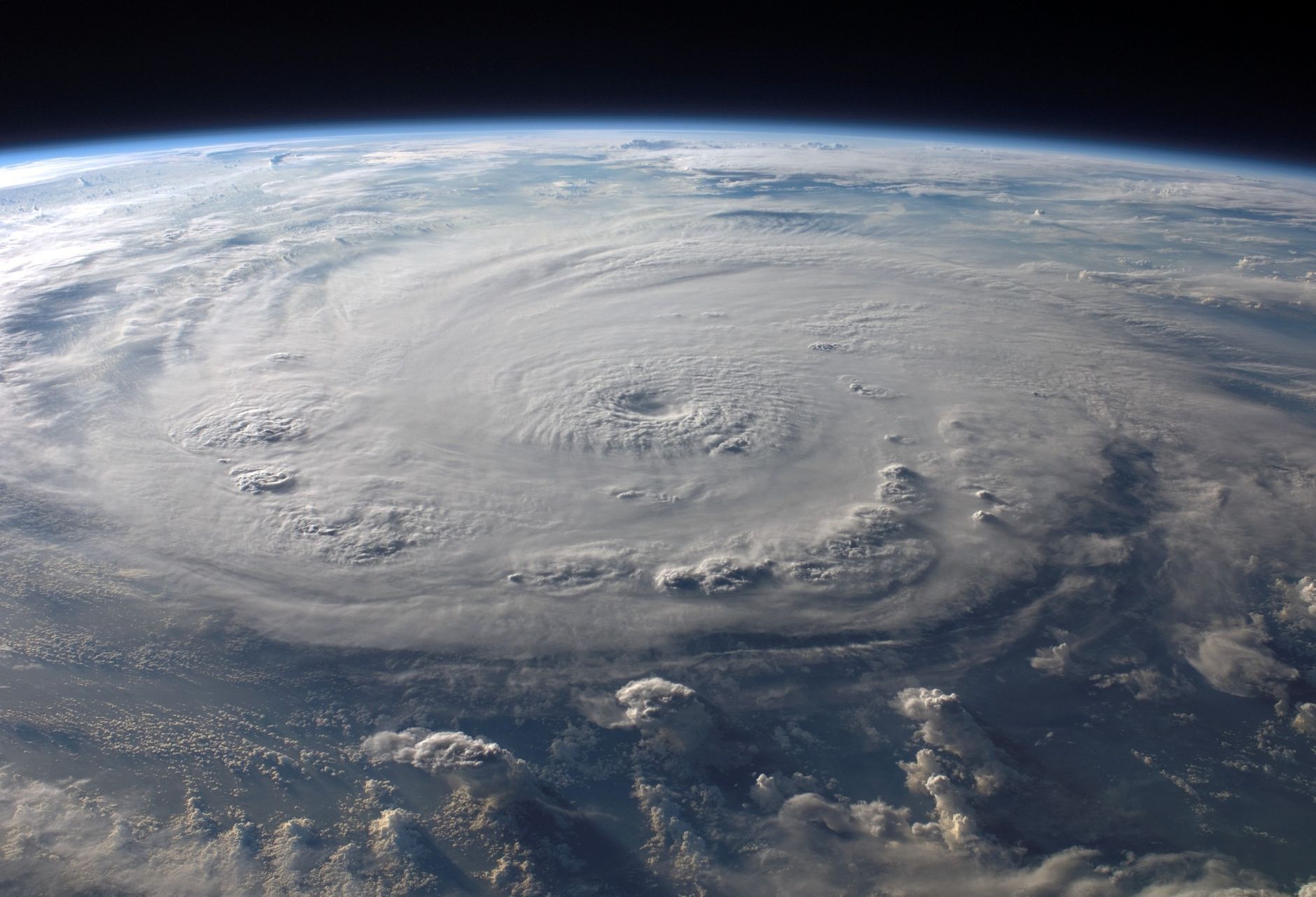
Google DeepMind has developed an artificial intelligence system capable of forecasting hurricane tracks and intensity further in advance than conventional meteorological methods, according to the research lab. The model, called WeatherNext, represents the latest attempt by a major technology company to apply machine learning to one of the most consequential challenges in climate science: predicting where destructive storms will go and how strong they will become before they make landfall.
Traditional hurricane forecasting relies on physics-based numerical models that simulate atmospheric conditions using vast amounts of high-resolution data, a process that demands significant computing power and time. DeepMind says WeatherNext can produce accurate predictions while working with lower-resolution weather data, an approach that could reduce the computational burden typically associated with storm forecasting without sacrificing reliability.
Notably, the system is designed to forecast two of the most critical variables in disaster planning simultaneously: the trajectory a storm is likely to follow and the intensity it may reach. Emergency planners, insurers, and government agencies typically rely on both data points to determine evacuation zones, resource allocation, and infrastructure protection measures. A model that can reliably project both factors earlier in a storm’s life cycle could give authorities more lead time to prepare communities and mobilize resources.
DeepMind has indicated that it plans to release WeatherNext as an open-source tool, making the underlying technology available to meteorological agencies, researchers, and forecasting bodies outside the company. Such a move would allow national weather services and scientific institutions worldwide to test, adapt, and potentially integrate the model into their own forecasting pipelines, rather than keeping the technology proprietary.
Despite the promising results, researchers have acknowledged a limitation common to many advanced machine learning systems: they do not yet fully understand the internal mechanisms that allow WeatherNext to generate its predictions. This “black box” quality means scientists can observe that the model performs well without being able to fully explain why certain patterns in the data lead to specific forecasts, a challenge that has accompanied the broader rise of AI-driven scientific tools.
Why the Technology Matters for the Gulf
While hurricanes are most commonly associated with the Atlantic and Pacific basins, tropical cyclones also form in the Arabian Sea and northern Indian Ocean, occasionally affecting the Arabian Gulf region, Oman, and other parts of the GCC. Countries in the region have in past years dealt with tropical storms and cyclones that brought heavy rainfall, flooding, and infrastructure disruption, underscoring the value of early and accurate storm forecasting for a region not traditionally built around cyclone preparedness.
An open-source AI model capable of predicting storm paths and intensity with greater lead time could be particularly useful for national meteorological agencies across the Gulf, many of which are investing in climate resilience and early-warning systems as part of broader efforts to adapt to shifting weather patterns. Faster, more computationally efficient forecasting tools could help regional authorities issue warnings earlier, potentially reducing economic disruption and improving public safety during rare but high-impact storm events.
As extreme weather events become a growing focus for governments worldwide, including those in the GCC pursuing climate adaptation strategies alongside economic diversification goals, advances in AI-driven forecasting are likely to draw close attention from regional scientific and disaster-management institutions. DeepMind has not provided a specific timeline for the model’s public release, but its open-source approach suggests meteorological bodies beyond the company’s own research teams will eventually have the opportunity to evaluate and apply the technology.