
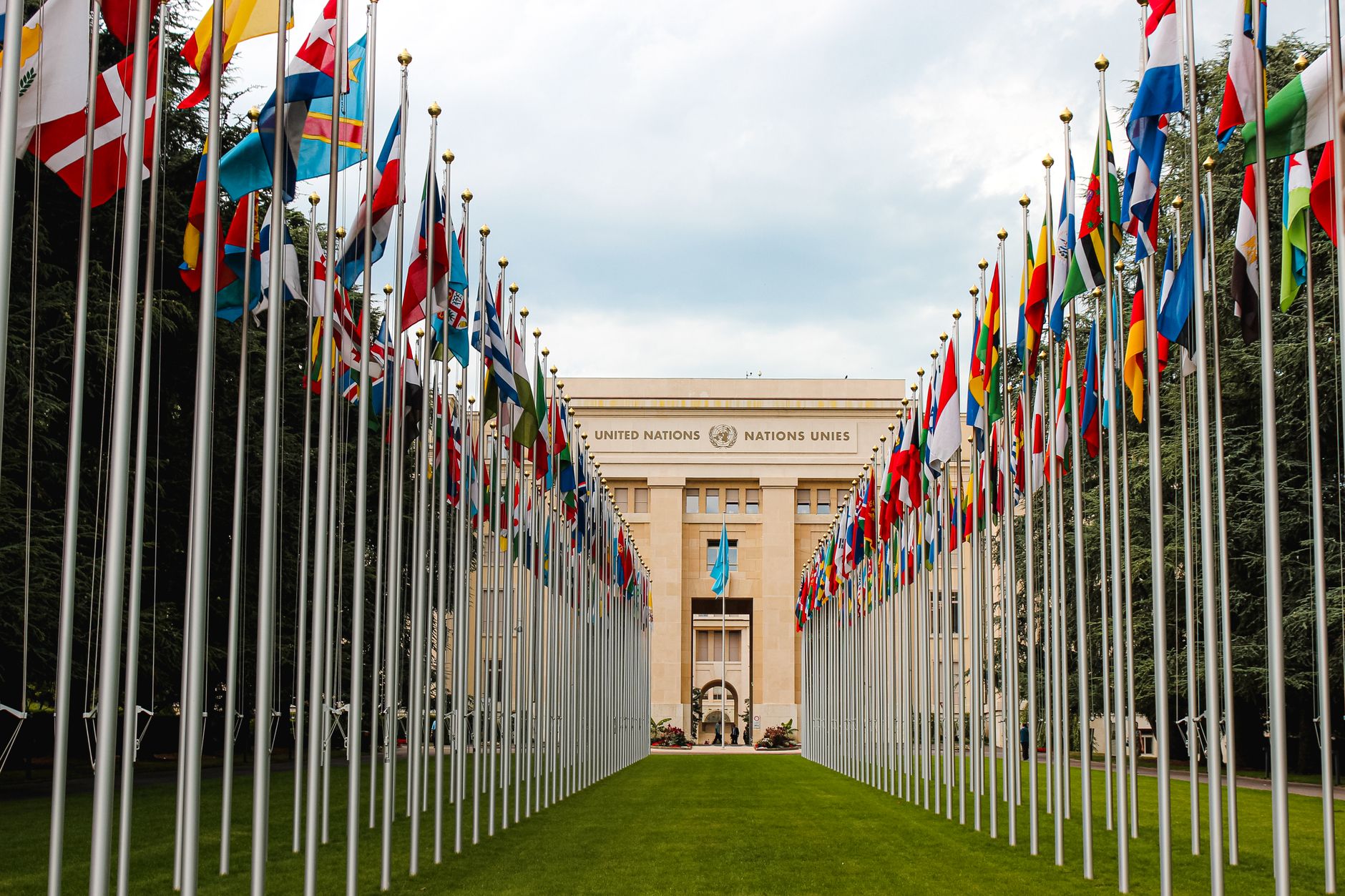
The “Abu Dhabi Declaration” was formally adopted on Saturday as the 15th United Nations Congress on Crime Prevention and Criminal Justice opened at ADNEC Centre Abu Dhabi, marking one of the largest United Nations gatherings ever held in the emirate. The adoption of the declaration at the very outset of the congress underscores the significance member states have attached to the meeting, which brings together government representatives, criminal justice officials and policy experts from across the world to chart a shared response to crime prevention challenges.
The congress, convened under the UN’s mandate to review global trends in criminal justice and recommend cooperative measures among member states, is scheduled to run for fifteen days at ADNEC, one of the UAE’s principal exhibition and conference venues. As reported in the story, ‘Abu Dhabi Declaration’ adopted as UN crime congress opens, the declaration’s adoption at the opening session signals early consensus among participating delegations on the framework the congress intends to pursue over the coming days of deliberation.
While the full text and specific commitments contained in the Abu Dhabi Declaration were not detailed in initial reporting, the timing of its adoption—right at the congress’s launch rather than at its conclusion—suggests organisers sought to establish a unifying set of principles early, around which subsequent working sessions and negotiations could be structured. UN crime congresses, held roughly every five years, typically address themes ranging from transnational organised crime and cybercrime to judicial reform, prisoner rehabilitation and the rule of law, with outcome documents historically shaping international criminal justice policy for years afterward.
A platform for the UAE’s global standing
Hosting the congress represents a notable diplomatic and logistical undertaking for the UAE, which has increasingly positioned itself as a venue for high-profile multilateral meetings spanning climate policy, trade and now criminal justice. The choice of Abu Dhabi as the congress site places the capital alongside past host cities that have historically shaped the direction of UN crime policy discussions, and reflects the broader ambitions within the UAE to serve as a meeting point between Western, Asian, African and Gulf approaches to governance and security cooperation.
For a Gulf audience, the congress carries practical relevance beyond ceremonial hosting duties. Criminal justice cooperation, extradition frameworks, financial crime enforcement and cybersecurity standards discussed at such forums often feed into regional legal reforms and cross-border law enforcement arrangements that affect businesses, expatriate residents and government agencies across the GCC. Decisions and frameworks emerging from the congress could inform how UAE and neighbouring states calibrate their own criminal justice systems in areas such as anti-money laundering enforcement, cybercrime legislation and judicial cooperation with international partners.
The presence of delegations from UN member states in Abu Dhabi over the coming fortnight is also expected to generate side discussions and bilateral meetings touching on regional security cooperation, given the UAE’s role as a hub for trade, finance and logistics in the Middle East. As the congress proceeds, further sessions are anticipated to elaborate on the specific measures, resource commitments and follow-up mechanisms tied to the Abu Dhabi Declaration, with outcomes likely to be closely watched by justice ministries and law enforcement bodies throughout the region.
No further details on the declaration’s contents had been released as the congress got underway, with additional briefings expected as working sessions progress through the two-week programme at ADNEC.