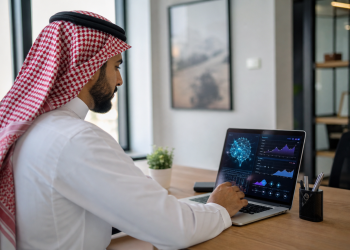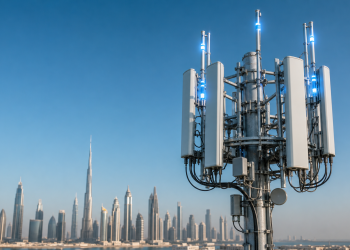

The technology sector continues to move at a rapid pace, with developments across artificial intelligence, digital infrastructure and enterprise software reshaping how businesses and governments operate. While the scope of change varies by industry and region, the underlying pattern is consistent: organisations are being pushed to adapt faster than in previous years, as new tools and platforms reach the market and competition intensifies among established players and newer entrants alike.
For readers across the UAE and the wider Gulf, this broader shift carries particular weight. The region has positioned itself as a hub for technology investment and adoption, with government-backed initiatives, free zones and sovereign wealth vehicles channelling capital into digital infrastructure, data centres and emerging-technology ventures. As global firms expand their footprint or form partnerships in the Gulf, local businesses and policymakers are watching closely to understand how international trends in software, hardware and connectivity might translate into opportunities or risks closer to home.
A Fast-Moving Global Landscape
Across markets, companies in the technology space are under pressure to demonstrate how new products and services deliver measurable value, rather than simply showcasing innovation for its own sake. This has led to a more cautious but still active investment environment, where funding tends to flow toward firms that can show clear paths to revenue, scalability and resilience against economic headwinds. At the same time, regulatory scrutiny has increased in several jurisdictions, particularly around data privacy, cybersecurity and the responsible deployment of automated systems.
Analysts tracking the sector note that the pace of change is uneven. Some segments, such as cloud computing and enterprise automation, have matured into stable, high-demand markets, while others remain in earlier, more experimental stages. This divergence means that businesses evaluating new technology partnerships or platforms are increasingly expected to weigh long-term viability alongside short-term performance gains.
Implications for the Gulf Region
In the UAE specifically, the push toward digital transformation has been embedded in national strategies spanning government services, financial technology, logistics and energy. As international technology firms continue to expand operations in Dubai, Abu Dhabi and neighbouring Gulf markets, local companies and regulators face the dual task of capturing the benefits of innovation while managing associated risks, including workforce readiness, cybersecurity exposure and alignment with international standards.
Industry observers suggest that Gulf-based enterprises are generally well placed to benefit from global technology trends, given sustained government investment and a regulatory environment that has, in many cases, moved to accommodate new business models. However, the extent to which any single development proves significant for the region will depend on how closely it aligns with existing national priorities, such as economic diversification and digital infrastructure expansion.
As the global technology landscape continues to evolve, stakeholders in the UAE and broader GCC are expected to maintain close engagement with international developments, both to anticipate potential disruptions and to identify opportunities for regional companies to participate in, or benefit from, the next wave of technological change.