
Singapore’s giant state investor Temasek is setting up shop in Abu Dhabi and Riyadh early next year, and it’s bringing a portfolio worth $401bn with it. If you work in finance, real estate or infrastructure anywhere in the UAE or Saudi Arabia, this is the kind of news that could eventually land on your desk as a deal, a job opportunity or a new client.
The move puts Temasek, one of the world’s most respected sovereign-linked investors, firmly on the ground in two of the Gulf’s biggest economies. It’s not just symbolic. Temasek says the new offices will act as regional hubs, not just for itself but for the dozens of companies it owns or has stakes in.
Why Abu Dhabi and Riyadh, and what’s in it for the UAE?
Temasek’s net portfolio value stood at S$518bn, or roughly $401bn, as of 31 March 2026. That’s a serious war chest, and the firm wants to put more of it to work across Saudi Arabia, the UAE, Qatar and the broader region. Opening physical offices in Abu Dhabi and Riyadh signals it’s playing the long game here, not just dipping in and out for the occasional headline deal.
Here’s the part that matters most for the UAE: some of Temasek’s portfolio companies are expected to co-locate in these new offices. That means Gulf-based teams won’t just be managing Temasek’s own money. They’ll be working shoulder to shoulder with partners from its wider network, hunting for joint deals and investment opportunities across the region. For UAE businesses, that opens a door to a well-connected investor with deep pockets and a global address book.
Temasek also said it plans to deepen its engagement with institutions in Qatar, though it hasn’t confirmed an office there yet. It’s a reminder that Gulf expansion plans rarely stop at one country. Investors tend to move as a region, and the UAE is usually near the top of that list.
The Surbana Jurong connection: projects already shaping the Gulf skyline
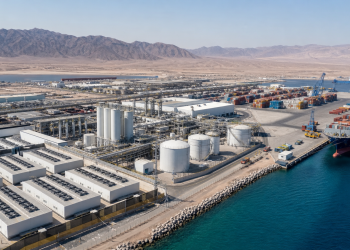
Temasek isn’t arriving in the region with empty hands. One of its portfolio companies, Surbana Jurong, is already deep into major Gulf projects. In Saudi Arabia, that includes King Abdulaziz International Airport in Jeddah, Jeddah Islamic Port, Red Sea Global’s Amaala masterplan, the Trojena dams scheme, Oxagon, King Salman International Airport, and Saudi Arabia Railway’s North-South Phosphate Railway.
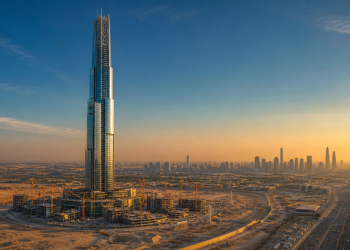
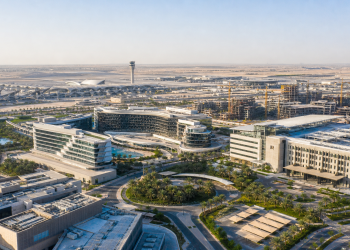
Closer to home, Surbana Jurong has also worked on the West Link project, Urban Loop, the Musaffah Innovation District masterplan, Etihad Rail’s high-speed rail programme and Abu Dhabi Airport’s Midfield Terminal. These aren’t small jobs. They’re some of the flagship infrastructure projects defining how the UAE and Saudi Arabia will look and function over the next decade.
This existing track record matters because it shows Temasek’s involvement in the Gulf isn’t starting from scratch. Its portfolio companies are already embedded in the kind of innovation news and large-scale development projects that UAE and Saudi authorities are racing to deliver. New offices simply make it easier to coordinate, bid for more work and move faster on future opportunities.
Worth noting: the office openings are still subject to regulatory approvals, so nothing is fully locked in yet. But the direction of travel is clear. Temasek sees Saudi Arabia, the UAE and Qatar as central to its next phase of growth, and it’s willing to put people and offices on the ground to prove it. For UAE investors, developers and project owners, that’s a name worth watching closely over the coming months, according to MEED.