Aldar just pulled in more than AED 5 billion in sales from two new launches, Talay and Yas Riva Reserve. If you’ve been thinking about buying property in Abu Dhabi, this number tells you something important: demand isn’t cooling off, it’s accelerating.
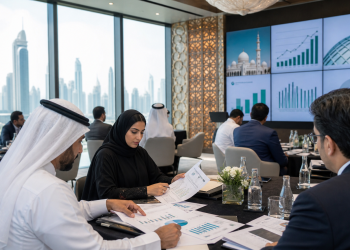
The Abu Dhabi-based developer shared the figures as the emirate hosts its first-ever Liveability and Investment Exhibition, known as LIVEX. The event is billed as a global forum looking at how “liveability” — basically, how good a place is to actually live in — translates into long-term economic and social value. Aldar’s timing couldn’t be more deliberate. It’s using a record sales run to make its case right when investors, developers and policymakers from around the world are in town.
Why Abu Dhabi real estate keeps pulling in buyers
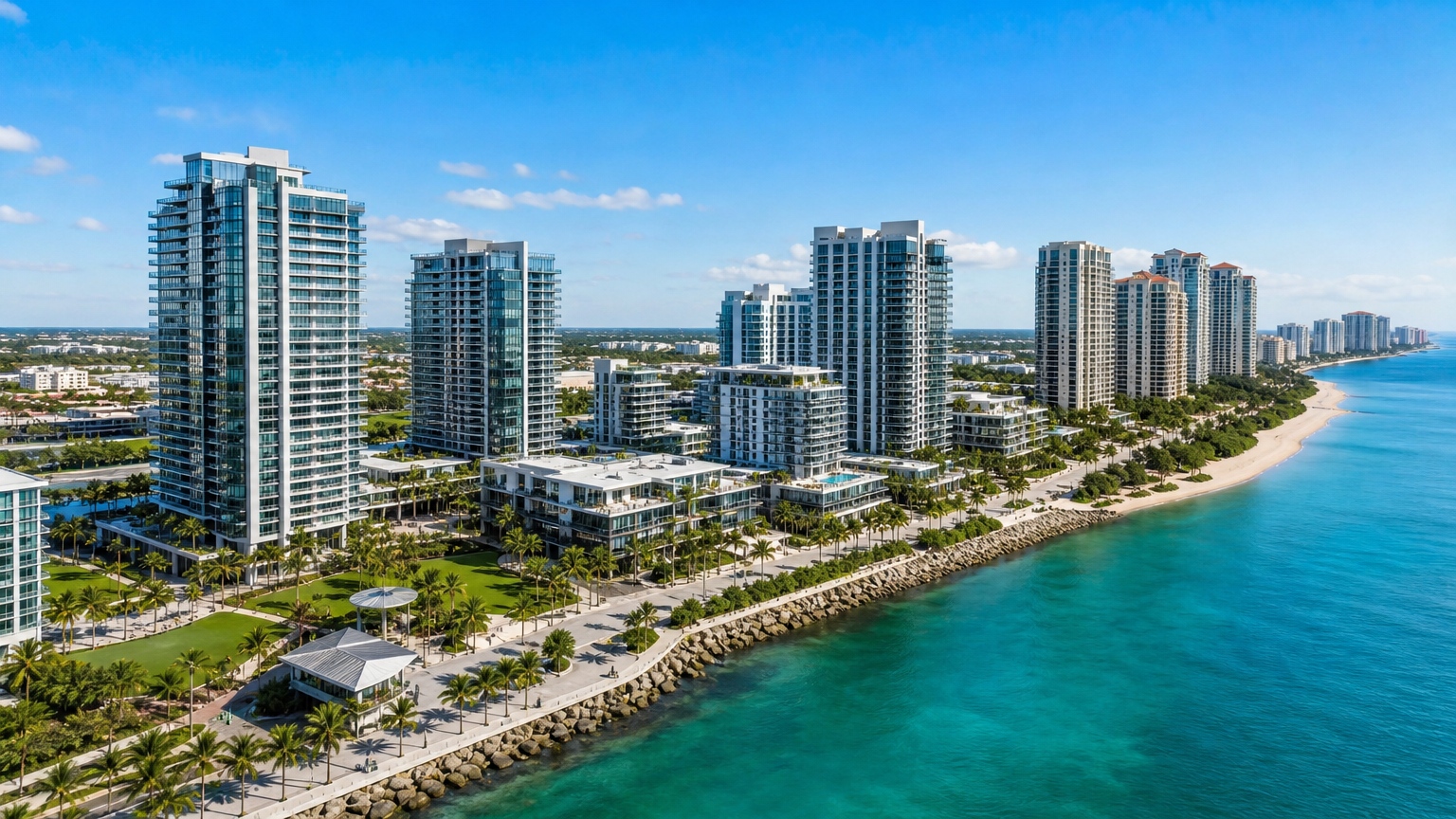
Talay and Yas Riva Reserve are both waterfront projects, and that’s not a small detail. Aldar says the strong numbers reflect growing appetite for residential communities along the water, particularly around Saadiyat Island and Yas Island. These areas have built a reputation over the past few years as places where residents get beaches, leisure facilities and cultural attractions all within reach of their front door.
For UAE and GCC residents watching the property market, this matters because it signals where money and confidence are flowing. When a developer crosses AED 5 billion in sales from just two launches, it usually means buyers — both end-users and investors — believe prices and demand will keep climbing. That’s the kind of signal that shapes decisions for anyone considering whether to buy now, wait, or look at alternative markets like Dubai or Sharjah instead.
It also reflects a broader pattern in Abu Dhabi’s economy. The emirate has spent years positioning itself as a place people want to settle long-term, not just visit or invest in from a distance. Waterfront living, cultural landmarks and lifestyle amenities are central to that pitch, and Aldar’s sales suggest the strategy is resonating with buyers.
What the LIVEX exhibition tells you about Abu Dhabi’s next move
The choice to host LIVEX right now is telling. Abu Dhabi is essentially inviting the world to examine how quality of life and economic value connect, using its own developments as evidence. Aldar’s AED 5 billion figure becomes a case study: proof that when a city gets liveability right, the money follows.
This is relevant beyond property buyers. For entrepreneurs, business owners and investors across the GCC, strong real estate demand in Abu Dhabi often points to wider economic confidence. People don’t commit billions of dirhams to new homes unless they expect stability and growth in the surrounding economy. That confidence can spill over into other sectors too, from retail to hospitality to logistics, all of which depend on population growth and disposable income in the areas where these communities are being built.
It’s also a reminder that Abu Dhabi’s real estate story isn’t just about volume, it’s about positioning. Waterfront developments on Saadiyat and Yas aren’t budget housing. They target buyers who want a premium lifestyle, whether that’s UAE nationals, long-term expat residents, or overseas investors looking for a foothold in the region. The fact that these two launches alone generated such strong sales suggests that segment of the market remains healthy, even as global economic conditions shift in unpredictable ways.
For readers tracking investment news across the UAE, this kind of data point is worth watching closely. Property sales figures are one of the clearest real-time indicators of where confidence sits in an economy, and Aldar’s numbers suggest that confidence in Abu Dhabi remains firmly intact.
What happens next is worth watching. LIVEX runs as a platform for discussing how liveability drives economic value, and Aldar’s results give organisers a concrete number to point to. If more developers report similarly strong launches in the coming months, it could confirm that Abu Dhabi’s waterfront communities are becoming one of the region’s most reliable bets for both homebuyers and investors. This report is based on details shared by WAM.