
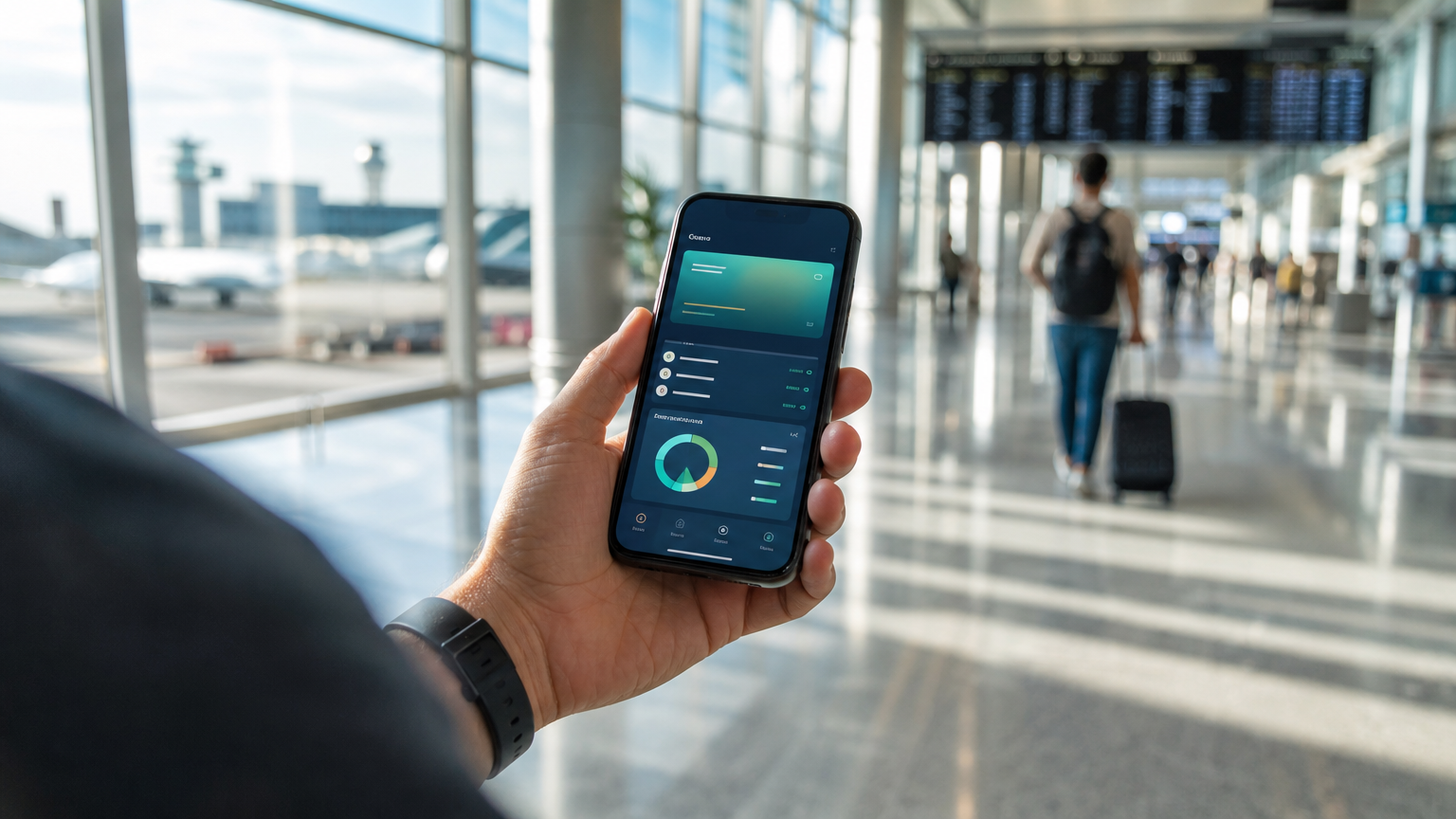
Landing in the UAE and needing a local bank account used to mean paperwork, appointments and waiting days. That’s no longer the case: tourists visiting the UAE can now open a digital bank account instantly, straight from their phone, using a new “Tourist Identity” system.
The move is part of the UAE’s bigger push to become a fully cashless, digitally driven economy. And for the millions of visitors who fly into Dubai and Abu Dhabi every year, it removes one of the last real hassles of a trip: how to pay, transfer and spend money like a local without carrying cash or juggling foreign card fees.
How does the UAE tourist bank account system actually work?
The service was launched by the Central Bank of the United Arab Emirates, working together with the Federal Authority for Identity, Citizenship, Customs and Port Security (ICP) and Abu Dhabi Commercial Bank (ADCB). Together, they’ve built a system that links ICP’s identity platform directly with ADCB’s mobile banking app.
In practice, this means a visitor can open a fully digital bank account within minutes of touching down, using their Tourist Identity instead of the usual pile of residency documents that expats and citizens need. There’s no branch visit, no long forms and no waiting period.
Once the account is set up, tourists get immediate access to essential banking services. That includes a digital debit card they can start using straight away, whether that’s tapping to pay for a coffee, booking a desert safari, or splitting a dinner bill with friends. For a country that markets itself as a global tourism and business hub, this kind of instant access matters. It plugs visitors straight into the UAE’s digital payments network the moment they arrive, instead of forcing them to rely on international cards that often come with conversion fees and delays.
Why this move matters beyond tourism
This isn’t just a convenience upgrade for travellers. It’s a signal of how serious the UAE is about building a digital-first financial system that works for everyone who touches its economy, not just residents and citizens.
By removing the traditional barriers non-residents face when trying to access banking, the UAE is making it easier for visitors to spend, transact and engage with local businesses digitally from day one. That’s good news for the retail, hospitality and tourism sectors, which benefit when spending is frictionless. It also fits into the UAE’s long-running strategy of reducing cash dependency across the economy, something that’s been a policy priority for the Central Bank for years.
For banks like ADCB, this also opens up a new customer base. Millions of tourists pass through the UAE annually, and giving them a taste of instant digital banking could turn short-term visitors into longer-term customers, especially those who later decide to live, work or invest in the country. It’s a smart way to build brand loyalty with people who might return as residents or business owners down the line.
There’s also a broader story here about the UAE’s identity infrastructure. The ICP’s platform is designed to be interoperable, meaning it can plug into services beyond just banking. Today it’s helping tourists open bank accounts. Tomorrow, similar integrations could extend to other digital services that require quick, secure identity verification, from telecoms to retail loyalty programmes. This kind of infrastructure work often gets less attention than flashy tourism campaigns, but it’s exactly the sort of groundwork that makes headline claims like “cashless economy” actually real for the people using it day to day.
For anyone tracking how the UAE’s financial sector is evolving, this launch is worth watching closely, especially readers following the latest business news out of the region. It shows how banking, identity systems and tourism are increasingly being designed to work together rather than as separate silos.
What to watch next: whether other UAE banks roll out similar Tourist Identity integrations, and whether this model gets extended to other GCC countries looking to modernise their own tourist-facing banking services. For now, as first reported by Arabian Business, the UAE has set a new benchmark for how fast and simple banking for visitors can be.