The United Arab Emirates and its Gulf neighbours continue to draw sustained interest from global capital markets, as sovereign wealth funds, private equity firms and multinational corporations look to the region for opportunities tied to economic diversification, infrastructure expansion and technology adoption. While specific transactions and figures vary by sector and by quarter, the broader pattern across the Gulf Cooperation Council has been one of steady inflows into non-oil industries, from logistics and real estate to renewable energy and digital infrastructure.
Analysts tracking regional capital flows note that the UAE, in particular, has positioned itself as a destination of choice for both institutional and private investors seeking stability, favourable regulatory frameworks and access to fast-growing consumer and business markets. This has translated into continued activity across free zones, financial hubs such as Abu Dhabi Global Market and the Dubai International Financial Centre, and a growing pipeline of initial public offerings from state-linked and privately held companies alike.
Diversification Strategies Continue to Shape Regional Flows
Much of the momentum in Gulf markets traces back to long-running national strategies aimed at reducing reliance on hydrocarbon revenues. Governments across the UAE, Saudi Arabia and Qatar have prioritised sectors including tourism, manufacturing, fintech and clean energy as part of broader economic diversification agendas. Sovereign wealth funds headquartered in the region have played a central role in this shift, deploying capital both domestically and internationally while also attracting co-investment partners from Asia, Europe and North America.
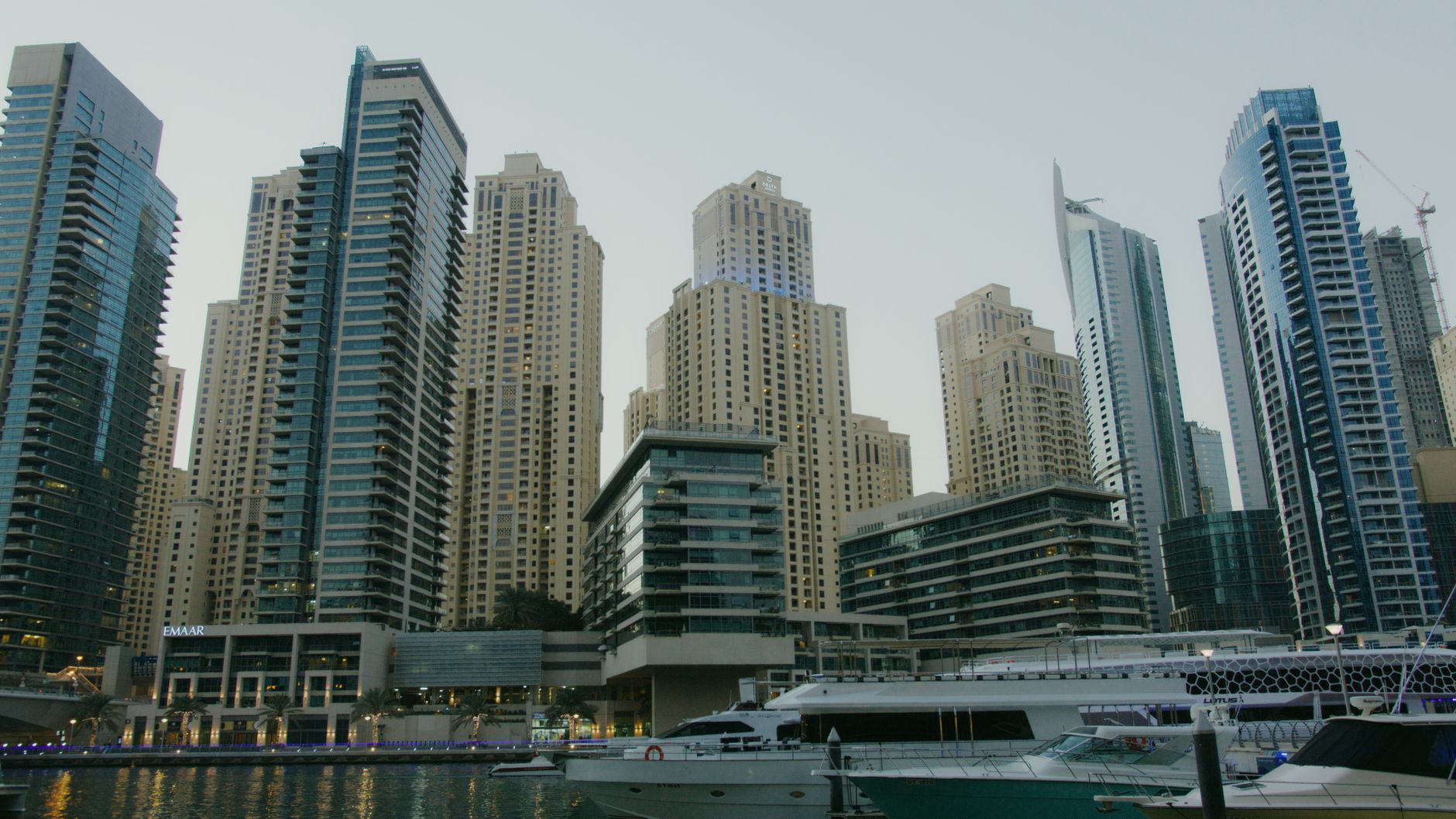
For UAE-based and expatriate investors, these dynamics carry direct relevance. Local capital markets have benefited from a steady stream of listings and secondary offerings, while regulatory reforms in areas such as foreign ownership rules and residency-linked investment visas have made it easier for individuals and institutions to participate in the region’s growth story. Real estate remains a particularly closely watched segment, with demand from both regional and international buyers continuing to support activity in Dubai and Abu Dhabi in particular.
Broader global conditions, including interest rate trajectories set by major central banks and shifts in commodity prices, continue to influence how capital is allocated across emerging and developed markets alike. Within this context, the Gulf’s relatively stable currency pegs, deep liquidity and improving ease-of-business rankings have helped the region maintain its appeal even as investors elsewhere reassess risk. Coverage of these trends forms a core part of ongoing investment reporting, as market participants weigh where to allocate capital amid a shifting global economic landscape.
Looking ahead, market observers expect continued interest in sectors aligned with national transformation plans, including artificial intelligence, advanced manufacturing and green hydrogen. While the pace and scale of specific deals will depend on global macroeconomic conditions, the underlying policy support for foreign investment across the UAE and wider GCC suggests the region will remain a focal point for capital seeking both growth and relative stability in the period ahead.
As with any emerging investment narrative, further details on specific transactions, corporate announcements and sector-level data are expected to emerge in the coming weeks, and will shape how investors calibrate their exposure to Gulf markets through the remainder of the year.