Investors around the world continue to reassess where to allocate capital as economic conditions shift across major markets, with attention centred on interest rate trajectories, currency movements and sector-specific opportunities. While the broader picture remains fluid, market participants are increasingly weighing risk against return in a landscape shaped by evolving monetary policy and geopolitical developments.
Analysts note that this period of recalibration is prompting institutional and private investors alike to revisit portfolio strategies, with diversification emerging as a recurring theme. Rather than concentrating exposure in a single region or asset class, many are spreading investments across geographies and sectors to manage volatility. This approach reflects a broader shift in the investment community toward caution paired with opportunism, as funds seek pockets of growth even amid uncertainty.
Why the Gulf Region Is Watching Closely
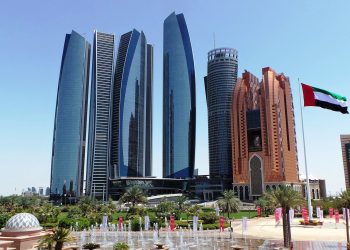
For the UAE and wider Gulf Cooperation Council, these global dynamics carry particular weight. The region has positioned itself over the past decade as a magnet for international capital, leveraging tax-friendly regimes, robust infrastructure and strategic geographic positioning between East and West. Dubai and Abu Dhabi in particular have built reputations as hubs where global investors can access diversified opportunities spanning real estate, technology, energy and financial services.
Sovereign wealth funds based in the Gulf have also become increasingly influential players on the world stage, deploying capital into a wide range of international ventures while simultaneously attracting inbound investment into domestic projects. This dual role means that shifts in global investment sentiment tend to have a direct bearing on activity within the region, whether through changes in foreign direct investment flows, adjustments in local equity markets, or recalibrated interest from private equity and venture capital firms.
For UAE-based businesses, expatriates and financial professionals, understanding these broader currents is essential. Regional banks and asset managers are closely tracking how global investors respond to shifting conditions, since changes in risk appetite abroad can influence liquidity, lending conditions and asset valuations at home. Similarly, the growing number of expatriates managing personal portfolios in the UAE are increasingly exposed to international market movements through diversified holdings.
Policymakers across the Gulf have also emphasised economic diversification away from hydrocarbon dependence, a strategy that aligns closely with global investment trends favouring resilience and adaptability. As non-oil sectors continue to expand, from technology and logistics to tourism and renewable energy, the region’s ability to attract sustained capital will likely depend on how effectively it can demonstrate stability and growth potential relative to other emerging and developed markets.
As global markets continue to navigate uncertainty, stakeholders across the UAE and GCC are expected to keep a close watch on international developments, recognising that the region’s economic trajectory remains closely intertwined with broader global investment patterns.