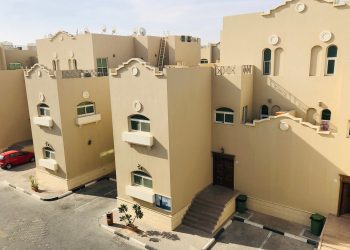
The Dubai Land Department (DLD) has entered into a new collaboration with IPS, a move officials describe as a step toward reinforcing the emirate’s standing as a leading destination for international real estate investment. The partnership comes at a time when Dubai’s property sector continues to attract significant attention from overseas buyers, developers and institutional investors seeking exposure to one of the world’s most closely watched real estate markets.
While detailed terms of the agreement have not been fully disclosed, the collaboration is being positioned as part of DLD’s broader strategy to expand Dubai’s visibility on international investment platforms and to connect the emirate’s property market with a wider pool of global capital. Such partnerships typically involve joint promotional efforts, participation in international real estate forums, and initiatives designed to simplify the investment journey for foreign buyers exploring opportunities in Dubai.
The move aligns with the Dubai government’s long-standing objective of positioning the emirate as a transparent, investor-friendly hub, backed by regulatory oversight from DLD and its affiliated entities. Over recent years, the department has pursued a series of initiatives aimed at digitising property transactions, enhancing data transparency, and building international partnerships intended to widen the investor base beyond traditional regional buyers.
Why the partnership matters for the UAE and Gulf property market
For the UAE and the wider Gulf region, initiatives of this kind carry particular weight. Real estate remains one of the most closely watched pillars of Dubai’s non-oil economy, contributing significantly to the emirate’s growth ambitions under its broader economic diversification agenda. Strengthening ties with international investment networks helps sustain foreign direct investment inflows into the property sector, a segment that has seen sustained interest from investors in Europe, Asia and beyond in recent years.
Analysts tracking the Gulf property market note that partnerships linking local regulatory bodies with international platforms tend to serve a dual purpose: they help validate the maturity of the local market to overseas audiences, while also giving domestic developers and brokerages greater access to global investor networks. For Dubai specifically, this kind of positioning supports the emirate’s efforts to diversify its investor base away from reliance on any single region or nationality, spreading risk and deepening liquidity in the property market.
For UAE residents, expatriates and regional investors, the implications are largely indirect but still relevant. A more internationally connected Dubai property market can translate into greater competition among developers, continued interest in off-plan and ready properties, and sustained price stability as demand is drawn from a broader, more diversified investor pool rather than concentrated bursts of speculative capital. It may also reinforce confidence among expatriate buyers who view Dubai real estate as a stable, dollar-pegged investment option amid global economic uncertainty.
The collaboration also reflects a wider trend across the Gulf, where property regulators in markets such as Abu Dhabi, Saudi Arabia and Qatar have similarly sought international partnerships to raise their profile among global investors. As competition among Gulf cities to attract real estate capital intensifies, moves by Dubai to consolidate its global positioning are likely to be watched closely by regional peers and market participants alike.
Further details on the scope and specific initiatives tied to the DLD-IPS collaboration are expected to emerge as the partnership progresses, with market observers anticipating additional announcements regarding joint programmes, investor outreach efforts, or platform integrations in the coming period.