The United Arab Emirates has recorded a sharp rise in its lab-grown diamond trade, with Dubai moving to consolidate its role as a global centre for the fast-growing sector through the launch of a dedicated hub. The development reflects the emirate’s broader strategy of diversifying its precious stones and jewellery industry beyond traditional natural diamond trading, an area in which Dubai has long held an established international standing.
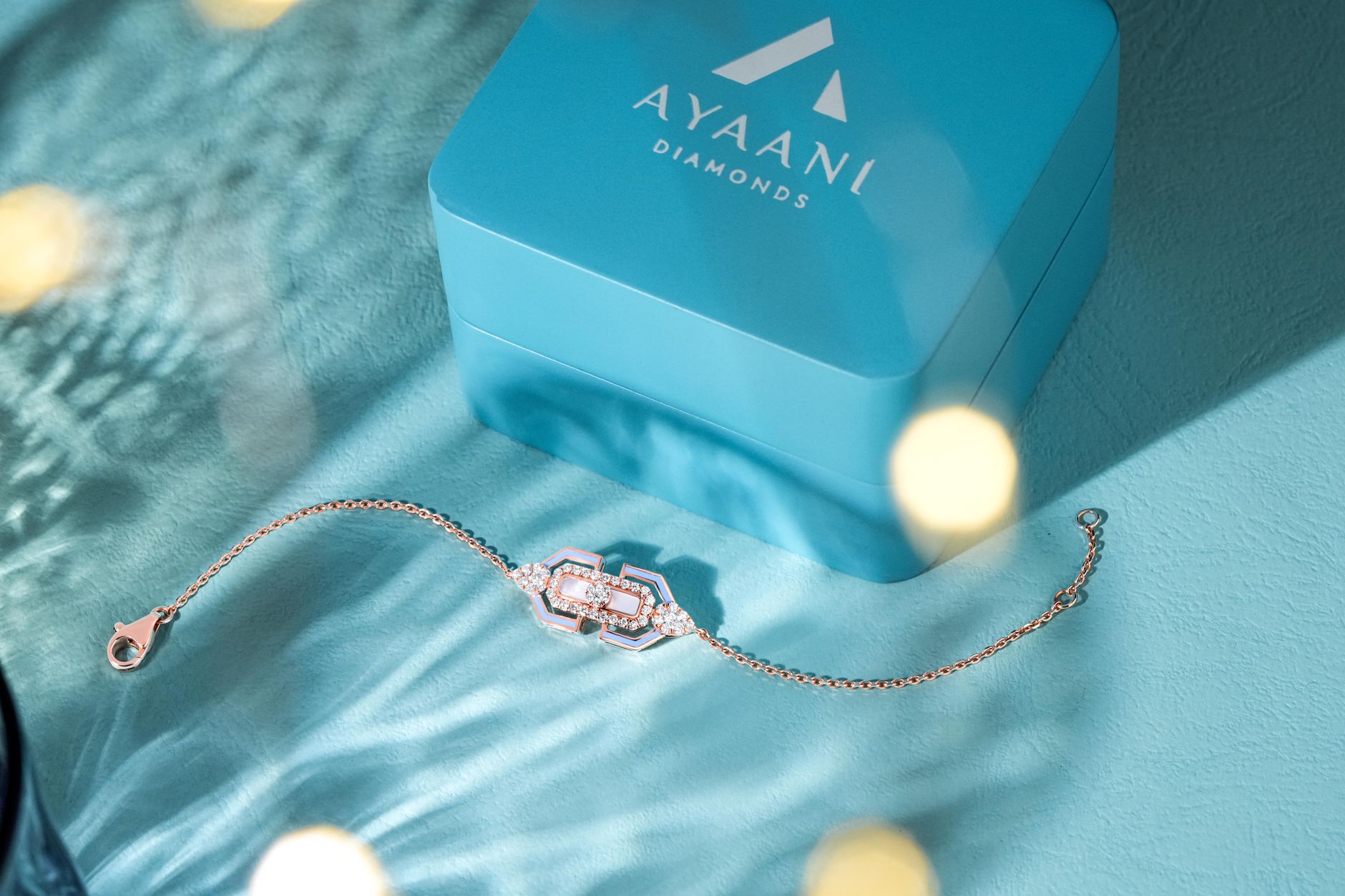
Lab-grown diamonds, which are chemically and physically identical to mined stones but produced in controlled laboratory environments, have gained traction worldwide in recent years as consumers and jewellers seek lower-cost, traceable and more sustainable alternatives to natural diamonds. The UAE’s trade figures in this category have doubled, according to industry reporting, underscoring how quickly the market has expanded within the country and the wider region.
Dubai’s new hub is intended to provide dedicated infrastructure for the trading, certification and distribution of lab-grown diamonds, bringing together buyers, sellers and manufacturers under a more structured framework. Such a facility would build on Dubai’s existing diamond trading ecosystem, which includes established free zone operations and links to international bourses, and is expected to reinforce the emirate’s appeal to companies looking to enter or expand within the synthetic diamond segment.
Why the Gulf market matters
The UAE has for years positioned itself as one of the world’s key diamond trading centres, leveraging its logistics infrastructure, free zone incentives and proximity to major sourcing and consumer markets across Asia, Africa and Europe. The emergence of lab-grown diamonds as a significant category adds a new dimension to that role, allowing Dubai to capture growth in a segment that is expanding faster than the market for natural stones in several international markets.
For regional jewellers, retailers and investors, the growth of lab-grown diamond trade through Dubai offers an additional avenue for business, particularly as demand shifts among younger and value-conscious consumers in the Gulf and beyond. The category’s lower price point relative to natural diamonds has made it increasingly popular for fine jewellery, engagement rings and fashion pieces sold across GCC retail markets, including in the UAE’s major shopping and jewellery districts.
Analysts and industry participants have noted that the establishment of formal trading infrastructure for lab-grown stones could help address concerns around certification and standardisation that have accompanied the sector’s rapid growth internationally. By creating a defined hub, Dubai aims to offer greater transparency for buyers and sellers, potentially strengthening confidence in the authenticity and grading of lab-grown stones moving through the emirate.
The move also aligns with the UAE’s wider economic diversification goals, which have included efforts to expand high-value trading sectors such as gold, precious stones and now synthetic gem alternatives. As global lab-grown diamond production continues to scale, Dubai’s positioning as an early mover in dedicated trading infrastructure could give the emirate a competitive edge over other established diamond trading centres that have yet to formalise similar facilities.
Further details on the hub’s operations, participating companies and regulatory oversight are expected to emerge as the initiative develops, with industry observers watching closely to see how the UAE’s trade volumes in this category evolve in the coming months.