The United Arab Emirates has suspended trade activities with Iran after its territory came under renewed missile fire, marking a sharp escalation in tensions between the two Gulf neighbors. The move represents one of the most significant diplomatic and economic responses by Abu Dhabi to date, cutting off commercial ties that have long underpinned cross-border business between the two countries.
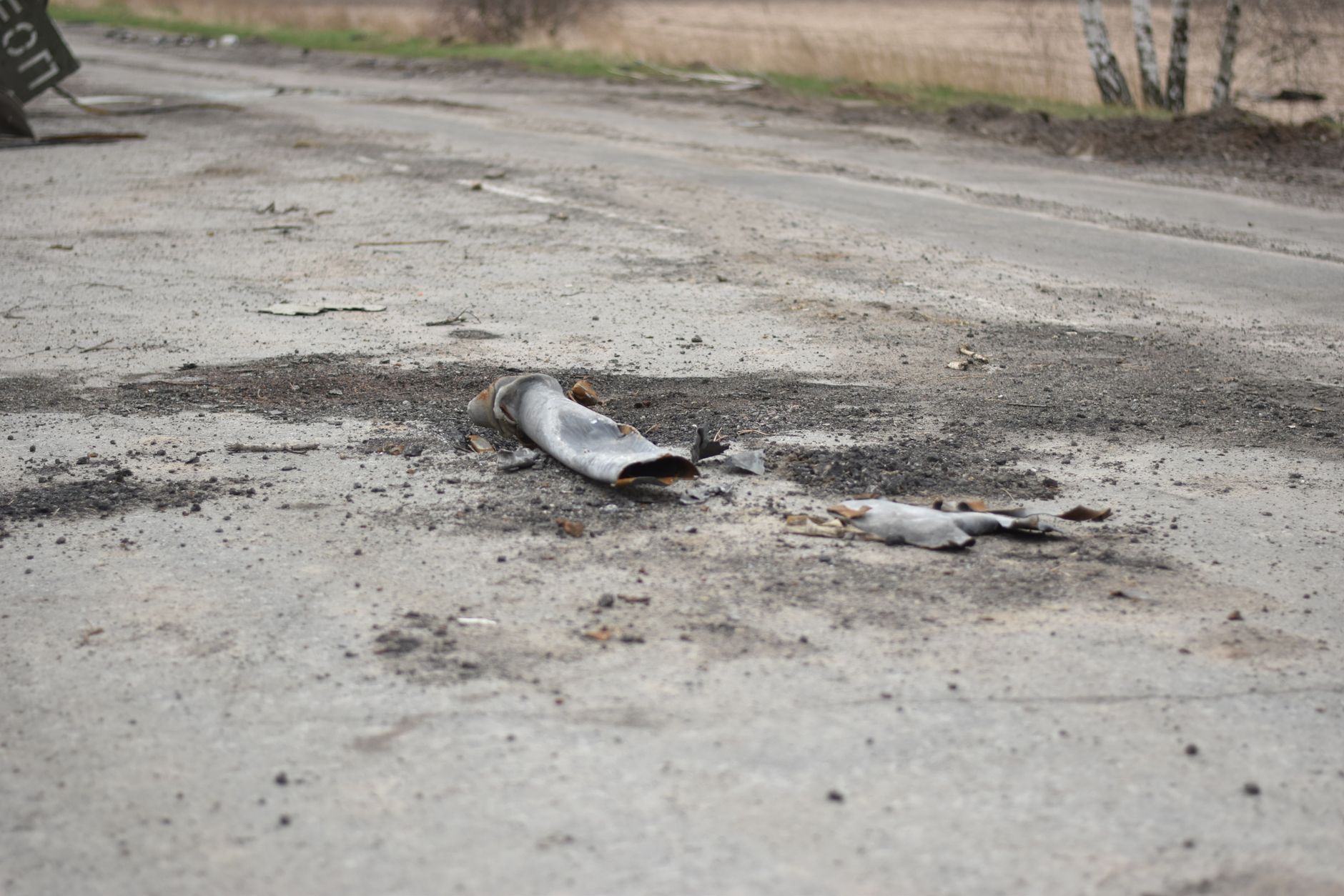
The suspension follows what officials describe as a pattern of repeated missile incidents targeting UAE territory, rather than a single isolated attack. While full details of the strikes, including timing, targets and any damage, have not been disclosed, the renewed nature of the hostilities points to a sustained deterioration in relations rather than a one-off flare-up.
For decades, the UAE and Iran have maintained an uneasy but functional economic relationship, with Dubai in particular serving as a major re-export hub for Iranian trade, including consumer goods, machinery and other commodities. A halt in trade activity is likely to disrupt import-export flows for businesses on both sides of the Gulf, particularly smaller trading firms that have relied on the UAE as a gateway for Iranian commerce amid broader international sanctions on Tehran.
Regional Security and Economic Stakes
The missile fire on UAE territory raises immediate concerns for regional security, given the country’s role as a major aviation, logistics and financial hub in the Gulf. Any direct threat to UAE soil carries implications beyond bilateral relations with Iran, potentially affecting maritime routes through the Strait of Hormuz, regional aviation corridors, and investor confidence in a country that markets itself as a stable base for international business.
Gulf Cooperation Council member states, which have periodically voiced solidarity on security matters involving Iran, are likely to be watching the situation closely. Analysts note that a coordinated GCC response, whether diplomatic, economic or security-related, cannot be ruled out if hostilities persist or escalate further. The bloc has previously expressed shared concerns over Iranian missile and drone capabilities, as well as their potential to disrupt shipping lanes and energy infrastructure critical to global markets.
The trade suspension also carries symbolic weight given the UAE’s carefully cultivated position as a neutral commercial bridge between rival powers in the region. Abu Dhabi has historically sought to balance its security partnerships, including with the United States, against pragmatic economic engagement with Iran. A formal halt in trade suggests that calculus may be shifting under the pressure of direct military threats.
No official UAE government statement detailing the scope of the suspension, its expected duration, or specific sectors affected has been made public. Businesses operating in both countries are expected to seek clarity in the coming days on how the restrictions will be implemented and what exemptions, if any, might apply to humanitarian or essential goods.
The situation remains fluid, with further developments expected as regional governments and international observers assess the implications of the missile attacks for Gulf stability and global energy and shipping markets that pass through the region.