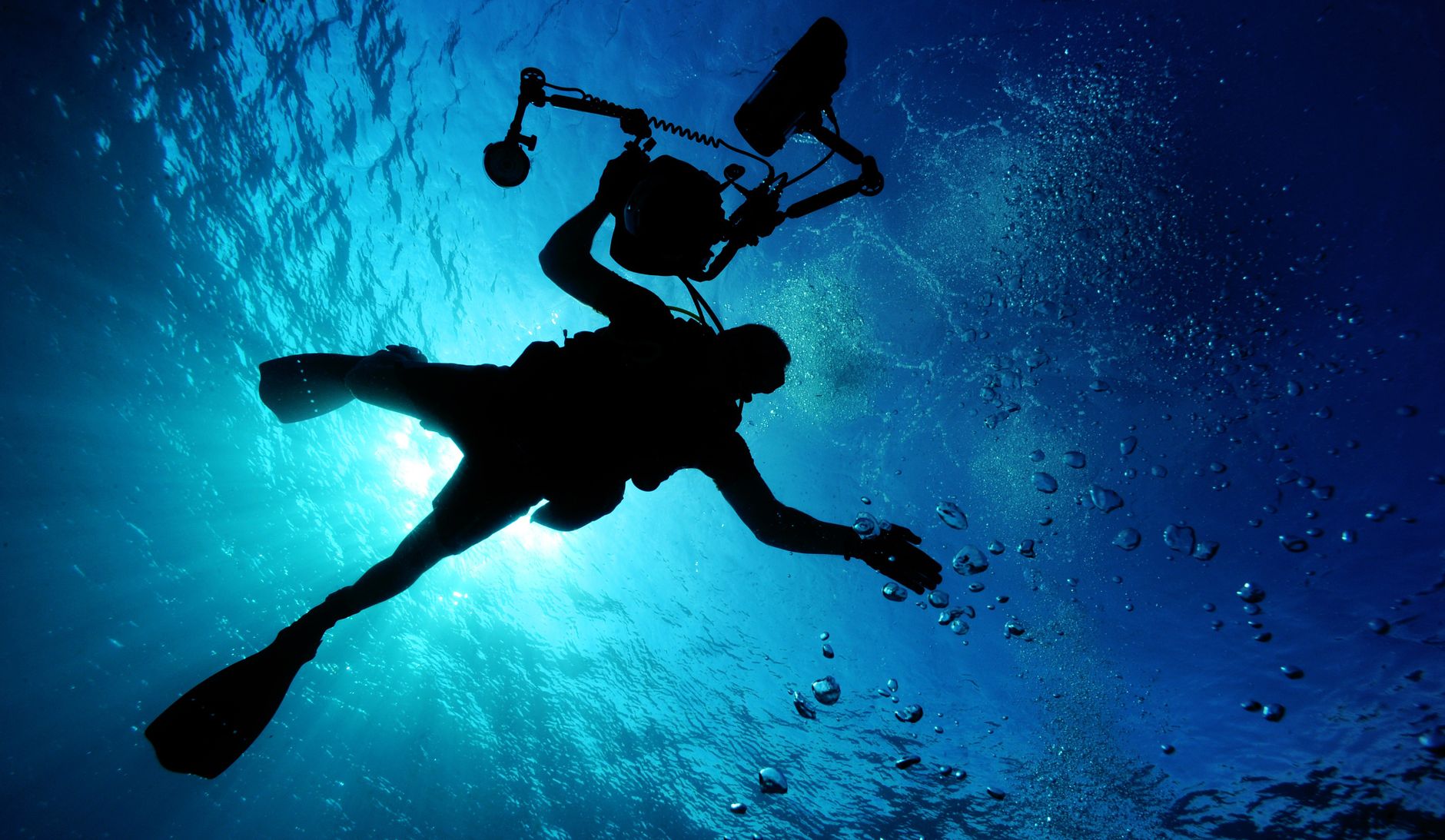
Scientists are on the cusp of a new era in ocean exploration, as advances in submersible engineering, autonomous underwater vehicles and high-resolution sensor technology open access to depths that have remained largely unmapped and unstudied. Researchers say the coming wave of deep-sea missions could reshape understanding of marine biodiversity, ocean carbon storage and the ecological trade-offs tied to seabed resource extraction.
The push follows years of incremental progress in underwater robotics and imaging, which are now converging to allow real-time data collection from environments once considered too remote or too hostile for sustained study. Modern autonomous vehicles can operate for extended periods without direct human control, transmitting information on pressure, temperature, geological structures and marine life as they descend into trenches and abyssal plains far below the reach of earlier expeditions.
Uncovering Hidden Biodiversity
Among the most anticipated outcomes of this technological shift is a surge in the discovery of previously unknown marine species. Enhanced imaging systems and improved sampling tools are expected to give researchers unprecedented access to deep-sea organisms, many of which have adapted to extreme pressure, darkness and cold in ways that remain poorly understood. Scientists believe such findings could carry implications well beyond marine biology, potentially informing pharmaceutical research if compounds from deep-sea organisms prove useful in medical applications.
Beyond biodiversity cataloguing, the new tools are also expected to sharpen understanding of ocean life cycles, migration patterns and ecosystem interdependencies that have historically been inferred rather than directly observed. This shift from indirect modeling to direct observation is seen as a significant step change in marine science, comparable in some respects to how space telescopes transformed astronomy by offering direct visual evidence rather than theoretical projection.
The exploration boom is also expected to generate critical data on how oceans absorb and store carbon dioxide, a process central to global climate models. Better measurement of these carbon cycles could refine projections used in international climate policy, giving governments and scientific bodies more precise tools to assess how marine systems are responding to warming and acidification.
Conservation Pressures and Gulf Stakes
As scientific capability expands, so too does pressure for stronger conservation measures. Researchers and environmental advocates are increasingly calling for expanded marine protected areas and tighter regulation of deep-sea mining, industrial fishing and other extraction activities, arguing that safeguards should be established before commercial interest accelerates beyond the pace of scientific study.
The implications extend directly to the Gulf region, where offshore oil and gas operations, commercial fishing and coastal development remain economically significant. Gulf states, several of which rely heavily on desalination for freshwater supply, have a direct stake in the health of surrounding marine ecosystems, since ocean quality and biodiversity are closely tied to the sustainability of desalination infrastructure and coastal industries. As global data on deep-sea ecosystems and carbon absorption becomes more detailed, regional policymakers may face increasing scrutiny over how offshore energy and fishing activities intersect with marine conservation goals.
Investment patterns suggest the momentum behind ocean exploration is unlikely to slow. Both private exploration ventures and government-backed research initiatives are committing increased funding toward deep-sea missions, reflecting a broader recognition that ocean science carries both scientific value and economic weight, from resource assessment to climate resilience planning. As new expeditions push further into uncharted waters, the resulting data is expected to inform not only academic research but also the regulatory and economic decisions shaping how nations, including those in the Gulf, manage their maritime resources in the years ahead.