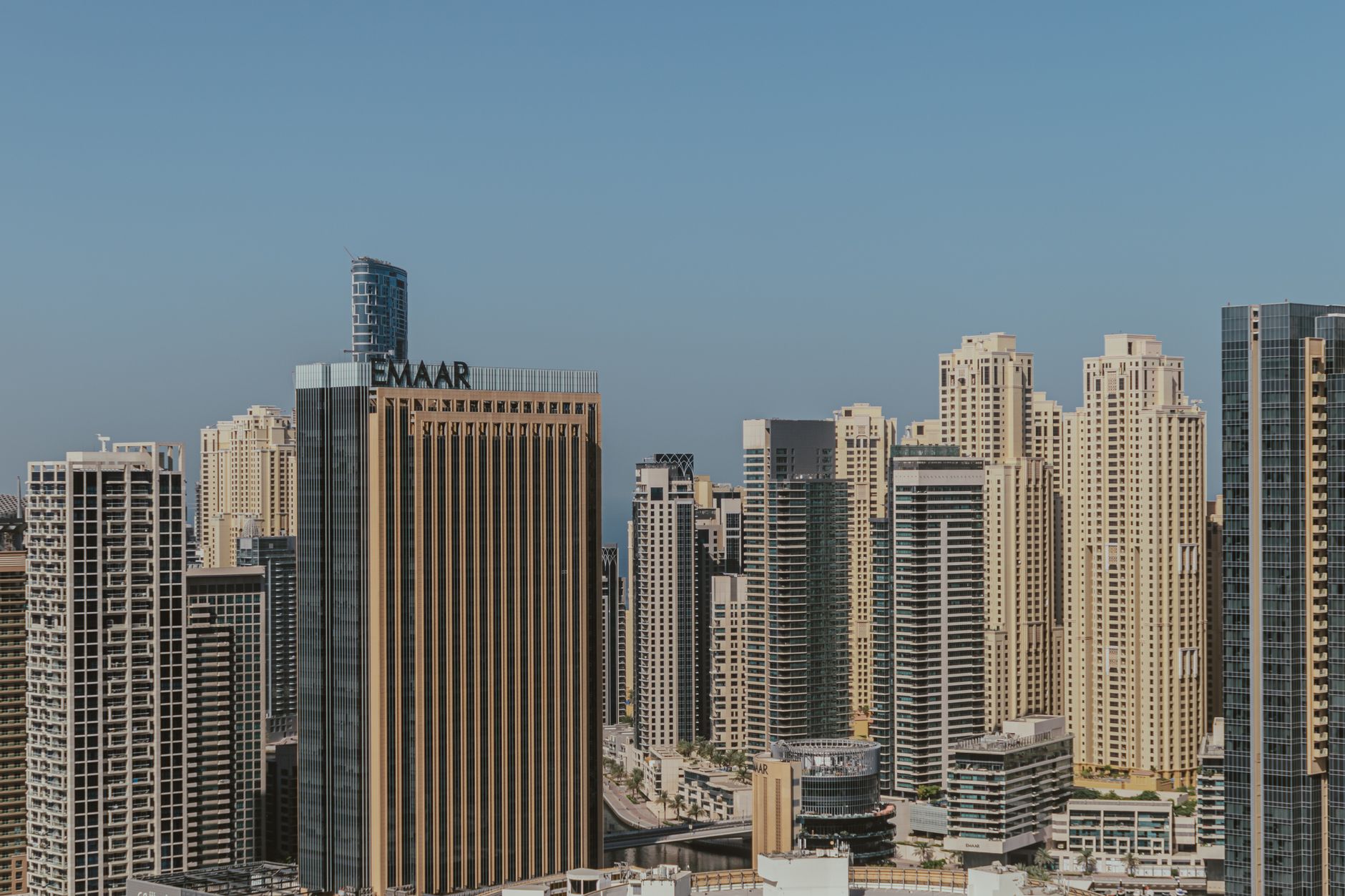
Dubai’s largest real estate investment trust reported higher first-half profit, buoyed by rising rents and near-full occupancy across its property portfolio, in a fresh sign of strength in the emirate’s commercial real estate market. The trust, which ranks as the largest REIT in the Gulf Cooperation Council by size, credited the earnings growth to sustained demand for its office, retail and commercial holdings during the period.
Management pointed to occupancy levels running close to full capacity as a key driver of the improved performance, indicating that tenants have continued to take up space across the portfolio even as rental rates have climbed. The combination of near-full occupancy and stronger rents allowed the trust to post an increase in profit compared with the prior period, though the underlying figures were not disclosed in detail.
Alongside the earnings update, the board approved an interim dividend of AED573.2 million, equivalent to roughly $156 million, to be distributed to shareholders. The payout reflects the trust’s stated focus on returning capital to investors while continuing to manage and grow its property holdings.
A Bellwether for Gulf Property Markets
Given its position as the region’s largest REIT, the trust’s results are widely viewed as an indicator of broader sentiment in Gulf real estate investment. Its performance offers a window into how institutional and retail investors are viewing commercial property assets across the GCC at a time when regional economies continue to diversify beyond oil revenues.
The rental growth reported by the trust aligns with a wider recovery narrative in Dubai’s commercial property sector, where demand for quality office and retail space has been described as increasing in recent periods. Businesses expanding into the emirate, along with existing tenants renewing or upgrading their leases, have contributed to the tighter occupancy levels seen across well-located commercial assets.
For investors across the UAE and the wider Gulf, the interim dividend announcement carries particular significance. REITs have increasingly served as a vehicle for both institutional and individual investors seeking exposure to real estate income streams without directly owning physical property. A large, near-full-occupancy dividend distribution from the region’s biggest REIT reinforces the asset class’s appeal as a source of steady returns, particularly for regional pension funds, family offices and retail investors who have grown more active in listed property vehicles in recent years.
The results also arrive against a backdrop of continued interest in Dubai and the broader UAE as destinations for capital seeking stable, income-generating assets. Commercial real estate in the emirate has benefited from population growth, business relocations and government initiatives aimed at attracting international companies and skilled professionals, all of which support demand for office and retail space.
While the trust did not provide extensive detail on the composition of its portfolio performance by asset type, the combination of higher rents and elevated occupancy suggests landlords in Dubai’s commercial segment have retained pricing power even as new supply has entered the market in various parts of the emirate. This dynamic will likely be watched closely by other regional REITs and property owners as they finalize their own half-year results in the coming weeks.
Analysts and investors in the Gulf region often use the performance of the largest listed real estate vehicles as a proxy for underlying market health, given the relative scarcity of granular, sector-wide data on rents and occupancy. As such, the trust’s latest disclosure is likely to feed into broader assessments of how Dubai’s property market is faring midway through the year, and what that could mean for real estate valuations and investor appetite across the GCC going forward.