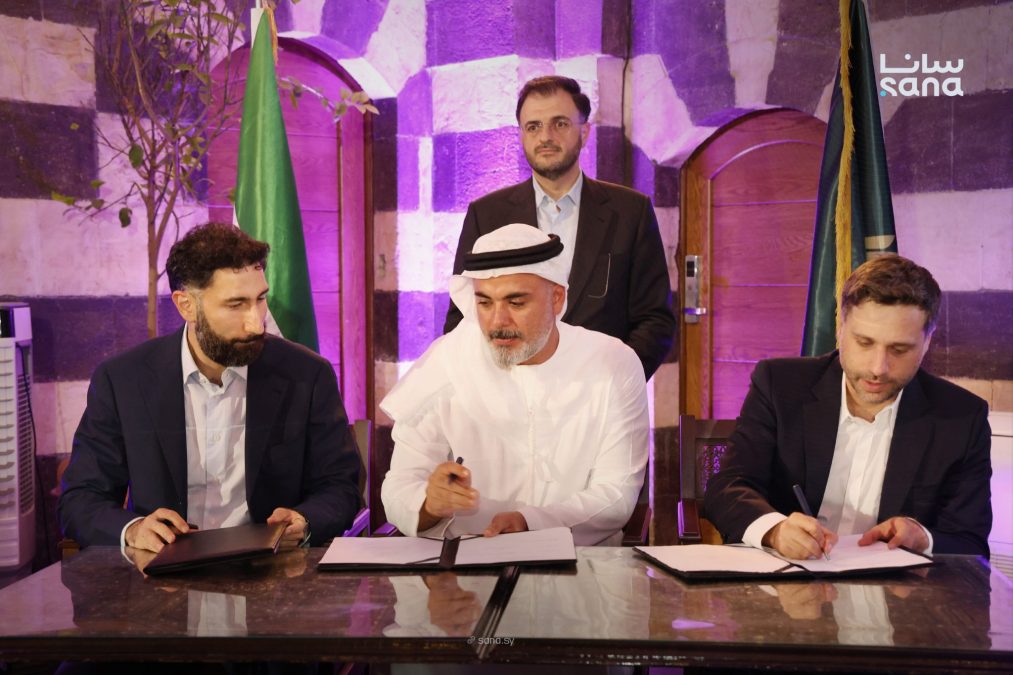
DUBAI — A consortium of UAE and Saudi investors has completed a $10 million funding round into Labby, a Syria-based super app, marking what officials describe as the first direct foreign investment in a Syrian technology startup and a signal that Gulf capital is beginning to test opportunities in the country’s nascent digital economy.
Founded in 2024 by Mohammad Fawaz, Labby operates a consumer super app that bundles ride-hailing, food delivery, e-commerce and digital payments into a single platform, serving users across Syrian cities. The round, while modest by regional standards, is being treated as a benchmark transaction for a market that has had little access to institutional venture funding since the outbreak of civil conflict in 2011.
Gulf Capital Eyes Reconstruction Economy
For UAE-based investors, the deal reflects a broader appetite to position early in markets undergoing reconstruction, where digital infrastructure gaps often allow super-app models to consolidate multiple services faster than in saturated economies. The UAE has already deepened diplomatic and commercial ties with Damascus over the past year, and this transaction extends that engagement into venture capital, an asset class that has been largely absent from Syria’s post-conflict recovery narrative to date.
Dubai and Abu Dhabi have positioned themselves as regional hubs for fintech and logistics investment, and backing a first-mover platform in an underserved neighboring market fits a pattern seen in other frontier plays across the Levant and East Africa. Investors involved in the round are expected to leverage UAE-based payment rails, cloud infrastructure and logistics partnerships to support Labby’s expansion, reinforcing the Emirates’ role as a launchpad for regional super-app scaling.
Implications for UAE Founders and Fund Managers
For UAE founders, the round underscores growing investor interest in multi-service platforms that combine payments, delivery and commerce under one app, a model already tested locally by firms such as Careem and Talabat. Fund managers in the region may now view Syria as an early-stage frontier market warranting closer monitoring, particularly as sanctions frameworks evolve and cross-border payment corridors improve.
The transaction adds to a wider trend of UAE capital seeking first-mover advantage in nascent Middle East technology markets before valuations rise.