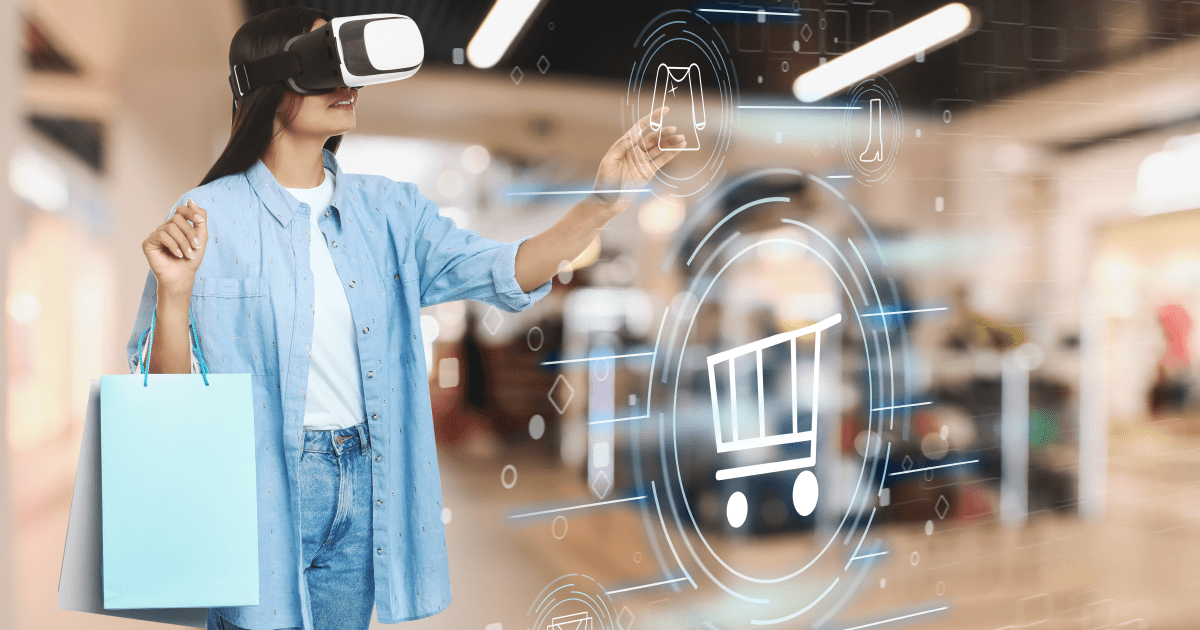
DUBAI — Retail is undergoing one of its most significant transformations in decades. Rapid advances in artificial intelligence (AI), e-commerce, digital payments and changing consumer expectations are redefining how businesses engage with customers, manage operations and compete in an increasingly connected marketplace.
For small business owners, the future presents both challenges and opportunities. While large retailers continue to invest heavily in technology and automation, affordable digital tools are enabling small and medium-sized enterprises (SMEs) to innovate, reach wider audiences and compete more effectively than ever before.
The Rise of the Digital Consumer
Today’s consumers expect convenience, speed and personalised experiences. Whether shopping online or visiting a physical store, customers increasingly seek seamless interactions across multiple channels.
Retailers are responding by adopting omnichannel strategies that combine physical stores with online marketplaces, mobile applications, social commerce and direct-to-consumer platforms. This integrated approach allows businesses to engage customers wherever they choose to shop.
For small businesses, establishing a strong digital presence is no longer optional—it has become a key driver of growth and customer loyalty.
Artificial Intelligence is Transforming Retail
Artificial intelligence is changing how retailers understand customer behaviour and improve business performance.
AI-powered solutions can help businesses:
- Forecast demand and optimise inventory
- Personalise marketing campaigns
- Recommend products based on customer preferences
- Automate customer support through chatbots
- Analyse purchasing trends
- Improve pricing strategies
- Streamline supply chain operations
As AI tools become more accessible and affordable, even small retailers can leverage advanced technologies previously available only to large enterprises.
Social Commerce Continues to Expand
Social media platforms are evolving into powerful retail channels where consumers can discover, evaluate and purchase products without leaving the app.
Short-form videos, live shopping events, influencer partnerships and user-generated content are influencing purchasing decisions across multiple industries.
For entrepreneurs, creating engaging digital content has become an essential part of building brand awareness and customer trust.
Data-Driven Decision Making
Modern retail increasingly relies on data to improve business outcomes.
By analysing customer behaviour, purchasing patterns and market trends, retailers can make informed decisions about inventory, pricing, promotions and customer engagement.
Cloud-based business intelligence platforms now provide affordable access to analytics that help small businesses compete in dynamic markets.
Sustainability Influences Consumer Choices
Consumers are placing greater emphasis on sustainability, ethical sourcing and environmentally responsible business practices.
Retailers that embrace sustainable packaging, responsible supply chains and transparent business operations are increasingly strengthening customer loyalty while differentiating themselves in competitive markets.
Sustainability is evolving from a marketing message into a long-term business strategy.
The Role of Automation
Automation is helping retailers reduce repetitive tasks and improve operational efficiency.
From automated inventory management and digital payment systems to AI-assisted marketing and customer relationship management, businesses can focus more time on strategic growth and customer experience.
These technologies are enabling small businesses to operate with greater agility while controlling costs.
Opportunities for Small Business Owners
The future of retail offers numerous opportunities for entrepreneurs willing to embrace innovation.
Successful small businesses are likely to focus on:
- Building strong digital brands
- Creating personalised customer experiences
- Leveraging AI and automation
- Expanding through e-commerce
- Strengthening community engagement
- Investing in customer loyalty programmes
- Using data to guide business decisions
Rather than competing solely on price, many SMEs are differentiating themselves through specialised products, exceptional service and authentic customer relationships.
Looking Ahead
The future of retail will be shaped by technology, consumer behaviour and continuous innovation.
Artificial intelligence, digital commerce, automation and data analytics are expected to become standard tools for businesses of all sizes. At the same time, human creativity, trust and personalised customer service will remain critical competitive advantages.
For small business owners across the UAE and beyond, success will depend on their ability to adapt to changing market dynamics while embracing digital transformation. Those who invest in innovation today will be better positioned to grow, compete and build resilient businesses in tomorrow’s retail economy.