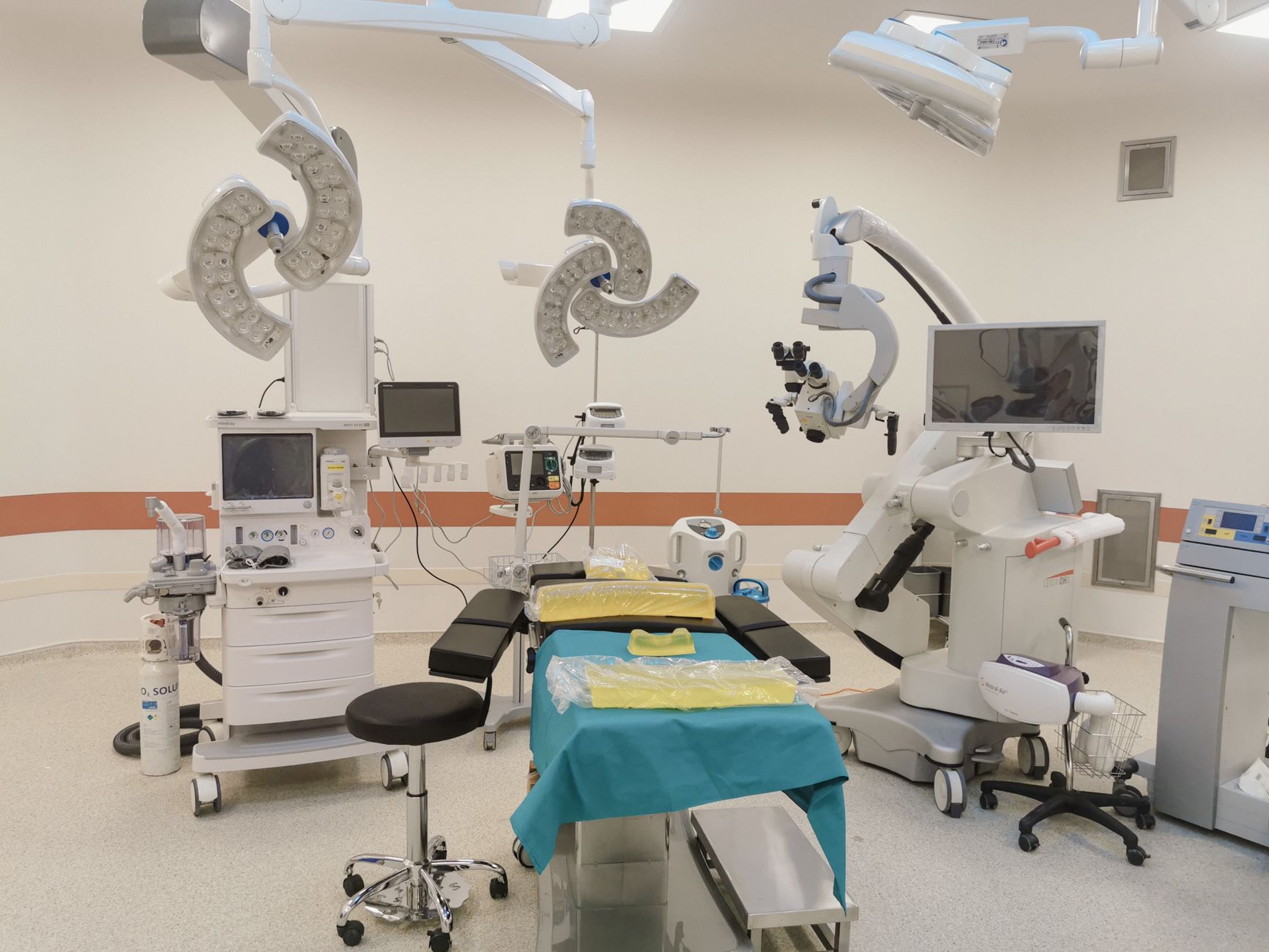
The American Academy of Orthopaedic Surgeons (AAOS) has released findings from its Member Insights Panel, a recurring survey mechanism through which practicing orthopaedic surgeons across the United States share perspectives on the clinical, professional and technological pressures shaping their field. The latest round of feedback centres on two themes that have increasingly dominated discussions in medical technology circles: how emerging tools should be designed and deployed in surgical practice, and how the demands of modern medicine are affecting the well-being of physicians themselves.
While the Academy has not published the full dataset underlying this round of insights, the panel’s stated purpose is to give surgeons a direct channel to influence how technology vendors, hospital administrators and professional bodies prioritise innovation. AAOS has for several years used such member surveys to steer its own policy positions, continuing education offerings and engagement with medtech developers, positioning the panel as an early-warning system for where frontline clinicians see the greatest need for change.
Innovation Priorities Tied to Practical Workflow Concerns
Orthopaedic surgery has become one of the more technology-intensive specialties in modern medicine, with robotics-assisted joint replacement, navigation systems, 3D-printed implants and AI-supported diagnostic tools increasingly present in operating rooms. Surgeon feedback gathered through mechanisms like the Member Insights Panel typically reflects a tension between enthusiasm for these tools’ clinical potential and frustration over how they are integrated into daily workflow, including concerns about training time, interoperability with existing hospital systems, and whether new devices genuinely reduce complexity rather than add to it.
Physician well-being has emerged as a parallel and closely linked concern. Burnout among surgeons, driven by administrative burden, long hours and the emotional weight of high-stakes procedures, has been a persistent topic across US medical associations in recent years. The AAOS panel’s focus on this issue suggests that technology adoption is increasingly being evaluated not only on clinical outcomes but on whether it eases or adds to the operational load carried by surgeons, a framing that reflects broader shifts in how healthcare systems assess new tools.
For the Gulf region, where governments in the UAE and Saudi Arabia have made significant investments in advanced surgical infrastructure, including robotic-assisted orthopaedic and spine programmes at major hospital groups in Abu Dhabi, Dubai and Riyadh, the priorities raised by US surgeons carry direct relevance. Regional health authorities and private hospital operators have been rapidly procuring surgical robotics and AI-assisted imaging platforms as part of broader medical tourism and healthcare modernisation strategies. Insights from established physician bodies such as AAOS often inform procurement decisions and training curricula adopted by Gulf institutions, many of which maintain accreditation or partnership ties with US and European medical systems.
The well-being dimension of the findings is also pertinent to Gulf healthcare systems, which have been expanding surgical capacity to meet rising demand from both citizen populations and international patients. As hospitals in the region scale up orthopaedic and other surgical specialties, workforce sustainability, including how new technologies affect surgeon workload and retention, has become a growing consideration for administrators managing rapidly growing but still developing clinical teams.
AAOS has not detailed further steps arising from this round of panel feedback, though professional associations typically use such input to shape future guidance, continuing education programming and engagement with device manufacturers. For hospital systems and technology suppliers operating in or eyeing the GCC market, the panel’s emphasis on aligning innovation with practical, physician-centred outcomes offers a signal of the standards increasingly expected as surgical technology adoption accelerates globally.