
Kuwait’s economy has withstood a fresh wave of regional turbulence, drawing on deep fiscal reserves and swift policy action to shield itself from the fallout of renewed US-Iran hostilities that rattled Gulf markets and raised fresh concerns over oil supply security.
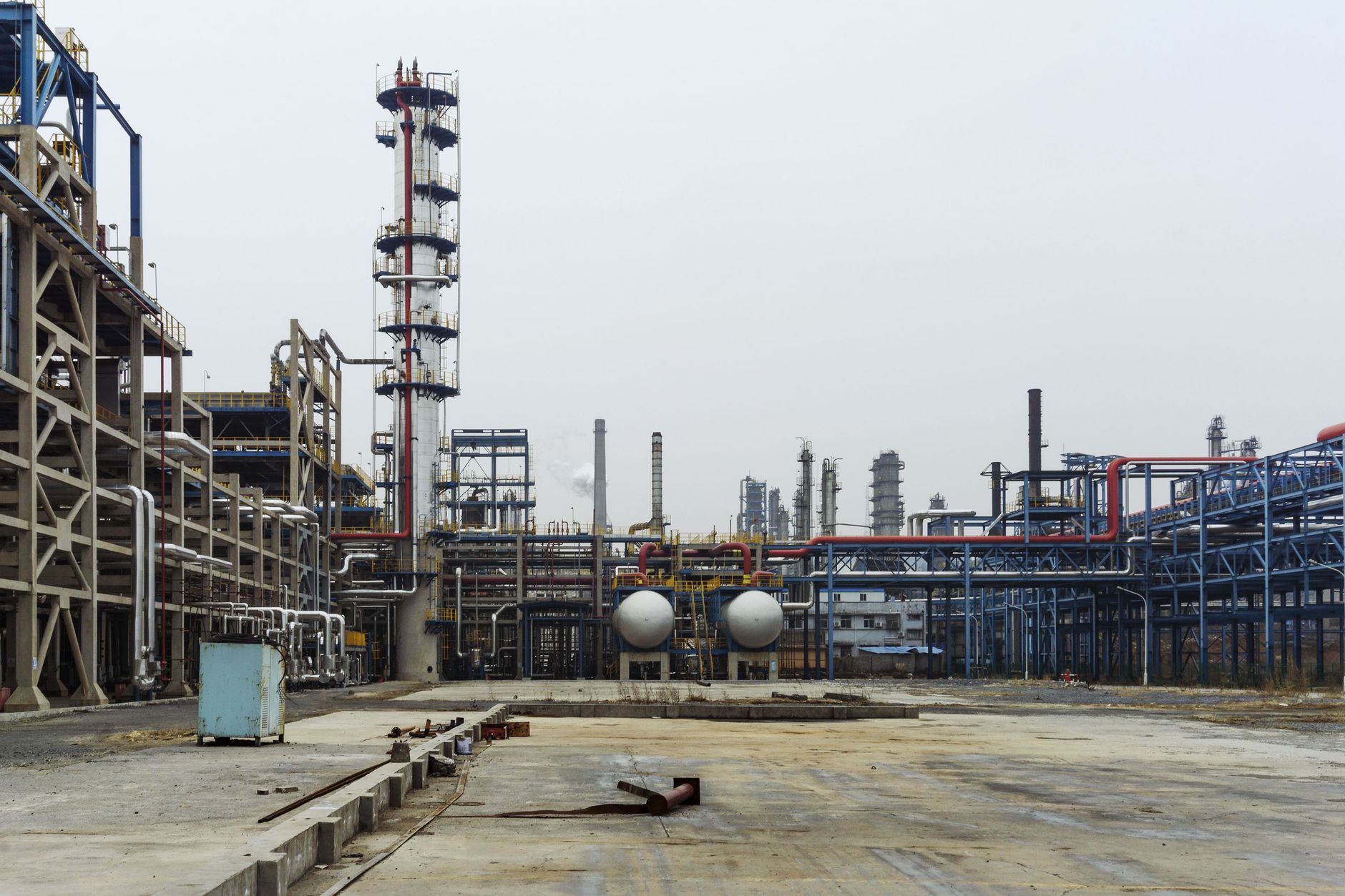
Sitting geographically between Iran and Saudi Arabia, Kuwait occupies one of the most exposed positions in the Gulf Cooperation Council when tensions escalate along the Strait of Hormuz corridor. The latest flare-up between Washington and Tehran once again put regional energy infrastructure and shipping routes under scrutiny, testing the resilience of economies that depend heavily on uninterrupted oil trade. Kuwait, whose economic fortunes remain closely tied to hydrocarbon exports, was among the Gulf states most directly exposed to the risk of disruption.
Sovereign Buffers Cushion the Shock
Despite this exposure, Kuwait’s economy did not buckle under the pressure. Analysts point to the country’s substantial sovereign wealth holdings and long-accumulated fiscal buffers as the primary reason it was able to absorb the shock without the kind of disruption that might have destabilized a smaller or less well-capitalized economy. These reserves, built up over decades of oil revenue, have historically served as a financial cushion during periods of regional uncertainty, allowing Kuwait’s government to maintain spending commitments and market confidence even as geopolitical noise intensified.
Kuwaiti authorities are understood to have taken measures aimed at stabilizing the domestic economy while the regional situation remained volatile, reflecting an institutional capacity to respond quickly to external shocks. While the precise details of these interventions have not been fully disclosed, the broader signal to markets was one of continuity and control rather than panic, reinforcing Kuwait’s reputation as a comparatively stable actor within a historically unpredictable neighborhood.
For the wider Gulf region, Kuwait’s experience carries particular resonance. The UAE and other GCC states share similar structural exposures: proximity to potential flashpoints, reliance on oil exports, and a shared interest in the uninterrupted flow of energy through Gulf waters. Any disruption to shipping lanes or production facilities in one part of the region tends to ripple quickly across neighboring economies, given how tightly interconnected Gulf energy markets and investor sentiment have become. Kuwait’s ability to weather the latest episode without major economic dislocation offers a data point that regional policymakers and investors are likely to watch closely as they assess their own contingency planning.
Diversification Still the Long-Term Answer
At the same time, the episode has reinforced a message that has circulated across Gulf capitals for years: heavy dependence on oil leaves economies structurally vulnerable to events far beyond their control. Kuwait’s reliance on hydrocarbon revenues means that even successful crisis management does not eliminate the underlying risk—it merely buys time. Price volatility and supply chain disruptions tied to geopolitical flashpoints remain a persistent threat to national budgets built around oil income.
This dynamic has kept diversification firmly on the policy agenda, not just in Kuwait but across the GCC, where governments from Riyadh to Abu Dhabi have poured resources into developing non-oil sectors such as finance, logistics, tourism and technology. Kuwait’s latest brush with regional instability is likely to add further impetus to its own diversification efforts, as policymakers weigh how to reduce the economy’s sensitivity to events unfolding well beyond its borders.
For Gulf investors and regional economic planners, Kuwait’s steady performance amid the recent tensions offers a measure of reassurance about the resilience built into GCC financial systems. It also serves as a reminder that such resilience is not permanent insulation, but a buffer that depends on continued fiscal discipline and progress toward more diversified, less oil-dependent economic models.





