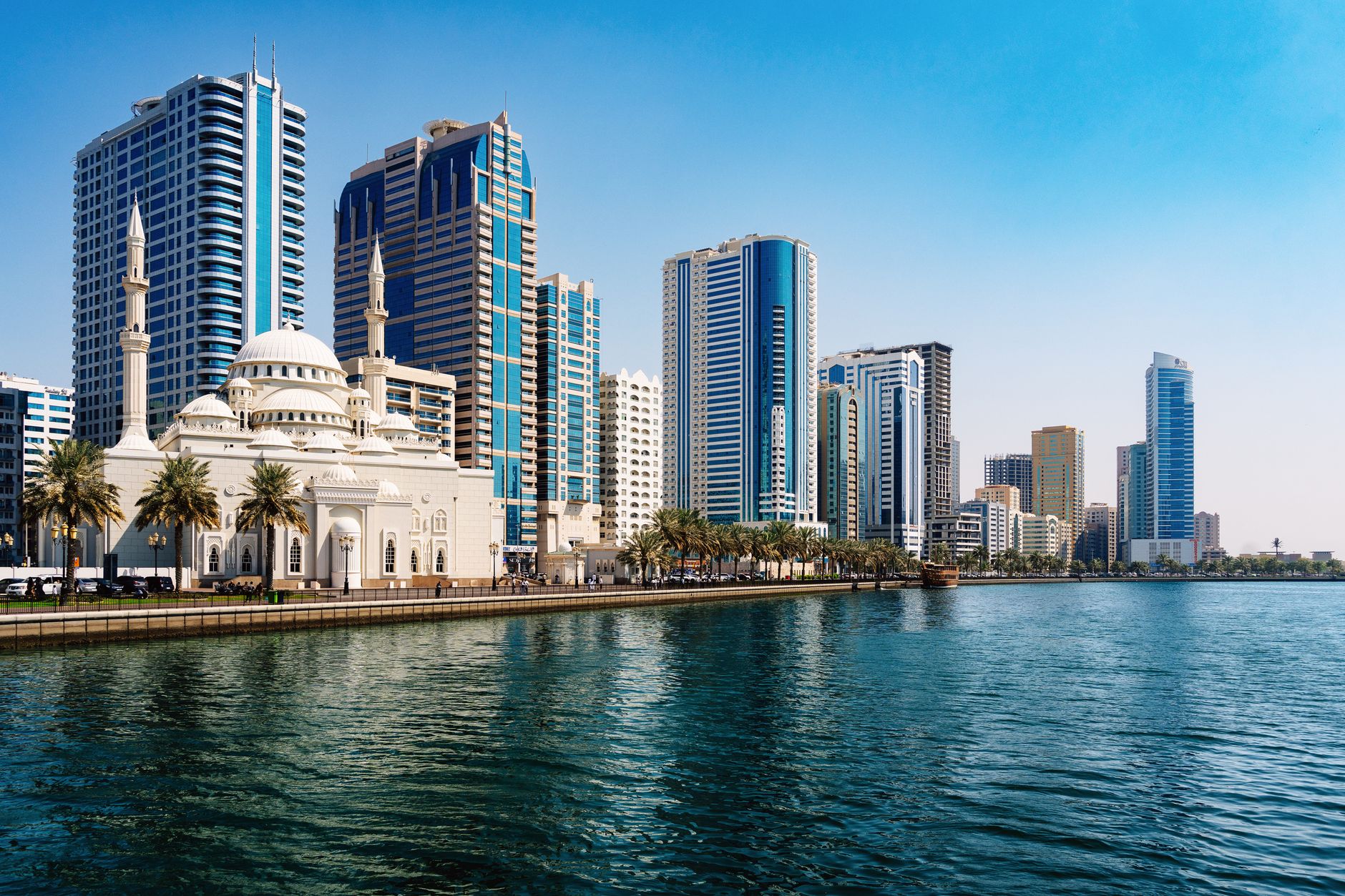
Sharjah’s real estate sector recorded transactions worth $1.91 billion in July, underscoring sustained investor activity in the emirate’s property market, according to data reported by Zawya. The figure places Sharjah firmly among the UAE’s active real estate hubs, reflecting continued momentum in one of the country’s most closely watched local markets.
As the UAE’s third-largest emirate by population, Sharjah has steadily built a reputation as an alternative and increasingly attractive destination for property buyers and investors who may find neighbouring Dubai and Abu Dhabi markets comparatively more expensive. The emirate’s real estate sector has benefited in recent years from a mix of affordable housing options, expanding freehold ownership zones for expatriates, and infrastructure development connecting it more closely to the wider Dubai metropolitan area.
The July transaction value serves as a key indicator of buyer and investor sentiment in Sharjah, offering a snapshot of activity across the emirate’s residential, commercial, and land segments. While the release did not break down the figure by property type or specify the number of individual deals completed during the month, the overall transaction value points to healthy engagement from both end-users and investors in the local property landscape.
Regional Context and What It Means for Gulf Investors
Sharjah’s performance arrives against a backdrop of broader strength across the UAE’s real estate sector, with Dubai and Abu Dhabi both having reported robust transaction volumes in recent periods amid population growth, an expanding expatriate base, and continued foreign direct investment into Gulf property markets. Sharjah’s own trajectory has increasingly been shaped by its role as a more cost-competitive counterpart within this wider ecosystem, drawing residents and investors seeking value without stepping outside the UAE’s broader economic orbit.
For regional stakeholders, including developers, brokerages, and institutional investors across the GCC, monthly transaction figures such as Sharjah’s July total offer a useful gauge of market health beyond the headline-grabbing numbers typically associated with Dubai. Sustained transaction activity in Sharjah can also signal spillover demand from investors priced out of pricier emirates, as well as growing confidence in the emirate’s own regulatory and infrastructure improvements aimed at attracting property capital.
Analysts and market participants often look to such figures for early signals on where UAE real estate demand is heading over the following quarters, particularly as government initiatives across the Emirates continue to ease ownership restrictions and streamline processes for foreign buyers. Sharjah’s real estate authorities have in recent years pursued measures intended to boost transparency and simplify transactions, moves widely seen as contributing to steadier market activity.
While the July figure does not include a comparative breakdown against previous months or the same period last year, the scale of transactions reinforces Sharjah’s standing as a significant contributor to the UAE’s overall real estate output. For Gulf-based investors monitoring diversification opportunities within the UAE, the emirate’s consistent transaction volumes suggest a market that continues to attract capital even as broader regional real estate dynamics evolve.
Further clarity on the drivers behind July’s transaction value, including which property segments and buyer categories contributed most significantly, is expected to emerge as Sharjah’s real estate authorities and industry bodies release more detailed monthly and quarterly market reports.