H.H. Sheikh Hamdan bin Mohammed bin Rashid Al Maktoum, Crown Prince of Dubai, Deputy Prime Minister and Minister of Defence, has directed the launch of a second village under the Rashid Villages initiative in Zanzibar, extending a humanitarian development programme that began with an earlier project on the East African archipelago. The move signals the continuation of an effort that has already established a footprint in the region and is now expanding to reach additional communities.
The Rashid Villages initiative is understood to focus on community development, with earlier phases in Zanzibar setting a template for housing and related infrastructure aimed at improving living conditions for residents. While specific figures on the scale, cost or timeline of the newly announced village have not been disclosed, its launch under the direct instruction of Sheikh Hamdan points to sustained leadership attention on the programme and its long-term trajectory.
That the announcement was personally directed by the Crown Prince of Dubai underscores the priority placed on the initiative at the highest levels of government. Dubai’s leadership has frequently used development and humanitarian programmes abroad as a channel for strengthening bilateral relationships, and the decision to expand into a second Zanzibar project suggests the first phase met objectives that warranted further investment and expansion of the model to serve more residents.
Strengthening Ties With East Africa
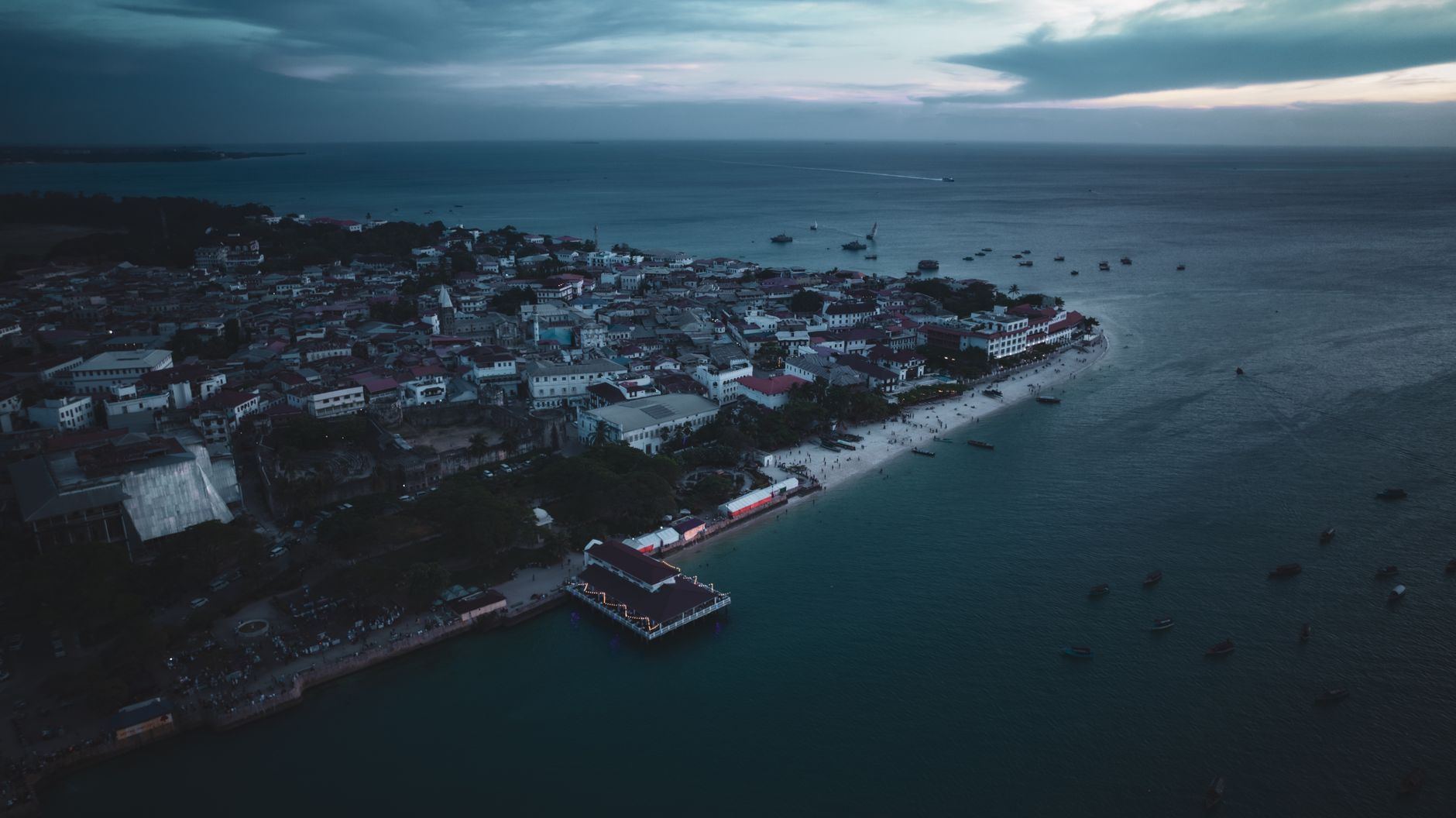
Zanzibar, a semi-autonomous archipelago off the coast of Tanzania, has increasingly featured in UAE-linked development and investment activity in East Africa in recent years. The launch of a second Rashid Village reinforces that trajectory, positioning the UAE as an active partner in social and community development on the continent rather than a purely commercial investor. Analysts following Gulf engagement in Africa note that such initiatives often complement broader diplomatic and economic ties between the UAE and African nations, reflecting a strategy of combining humanitarian outreach with longer-term partnership building.
For audiences following the wider UAE policy landscape, the Zanzibar project fits into a pattern of the Emirates channelling leadership-backed initiatives into regions where it seeks to deepen bilateral relationships, whether through infrastructure, humanitarian aid or development programmes. Dubai’s rulers have historically framed such projects as extensions of the emirate’s own development philosophy, applying lessons from Dubai’s growth to partner communities abroad.
The announcement, first reported by the state-run H.H. Sheikh Hamdan launches second Rashid Villages project in Zanzibar, did not detail a specific completion date or the number of households expected to benefit from the new village. However, the framing of the launch as a direct directive from Sheikh Hamdan suggests that further details on scope and implementation are likely to follow as the project moves from planning into execution.
For readers in the UAE and wider Gulf region, the initiative offers a window into how Dubai’s leadership continues to extend soft-power and development engagement into East Africa, an area that has grown in strategic and economic relevance for Gulf states in recent years. As the second Rashid Village takes shape in Zanzibar, it is expected to serve as a further marker of the UAE’s expanding humanitarian and development footprint on the African continent.