Dubai Mallathon has crossed the 100,000-participant mark in its second edition, outpacing turnout from the inaugural run and cementing the initiative as one of the emirate’s most widely embraced community fitness programmes. Since its launch in June, participants have collectively racked up more than 220 million steps, a figure organisers point to as evidence of sustained engagement rather than a one-off surge of sign-ups.
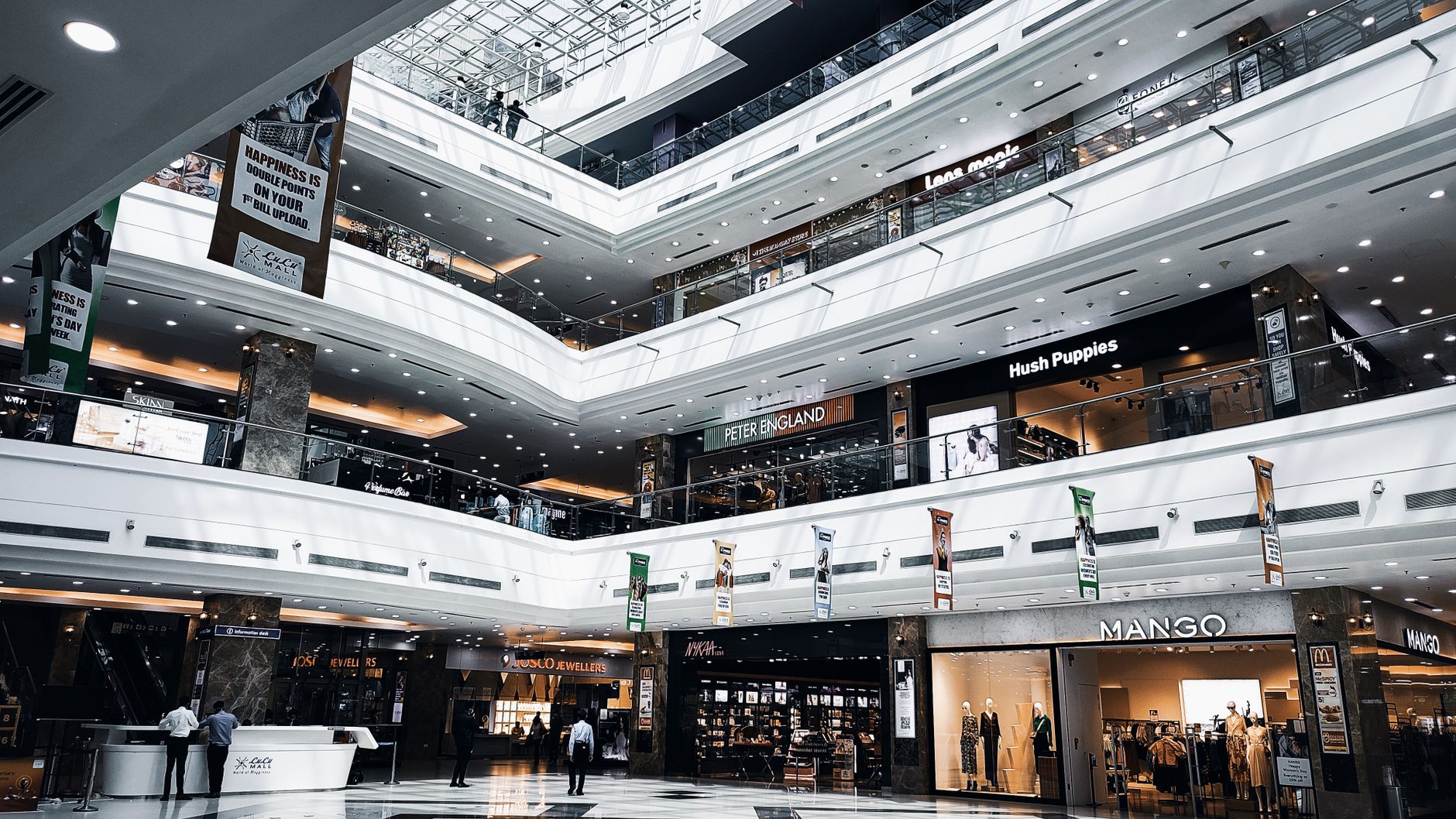
The Mallathon reimagines Dubai’s shopping malls as venues for structured walking and fitness challenges, encouraging residents to log steps within air-conditioned indoor spaces that are already central to daily life in the city. By tapping into existing mall infrastructure, the programme has managed to lower the barriers typically associated with outdoor fitness events, particularly during warmer months when open-air exercise is less practical.
A Reflection of Dubai’s Wellness Push
The scale of participation underscores Dubai’s broader ambition to position itself as a centre for accessible public health engagement, an objective that aligns closely with wider UAE government priorities around promoting active lifestyles among both citizens and the large expatriate population that makes up the bulk of the emirate’s residents. Public wellness campaigns have become a recurring feature of the UAE’s social policy agenda in recent years, with authorities repeatedly emphasising preventive health and community participation as tools to address lifestyle-related health concerns.
The jump in numbers between the first and second editions suggests the Mallathon’s appeal is expanding rather than plateauing, a pattern organisers and observers attribute in part to word-of-mouth adoption across Dubai’s densely networked social and professional circles. Given the city’s multicultural composition, the participant base is understood to span a wide range of age groups, nationalities and fitness levels, reflecting the demographic diversity that characterises Dubai more broadly.
For Gulf residents, the Mallathon’s growth also highlights a regional trend: shopping malls, long established as primary social and leisure destinations across the GCC, are increasingly being repurposed as venues for organised physical activity. In a region where extreme summer heat limits outdoor exercise for much of the year, mall-based fitness programmes offer a practical alternative that leverages infrastructure already embedded in everyday life.
The initiative’s trajectory positions it as a case study in how urban fitness campaigns can scale quickly when they align convenience with community participation. For UAE residents and expats alike, the Mallathon’s growth signals a widening menu of accessible options for maintaining physical activity within the country’s climate constraints, while for the malls themselves, hosting such large-scale participation events reinforces their role as more than commercial spaces.
Organisers have not indicated whether a third edition is planned, but the momentum generated by the current programme’s step count and participation figures suggests the format may continue to be refined and expanded in future instalments, potentially drawing in even larger segments of Dubai’s population as awareness spreads further.