
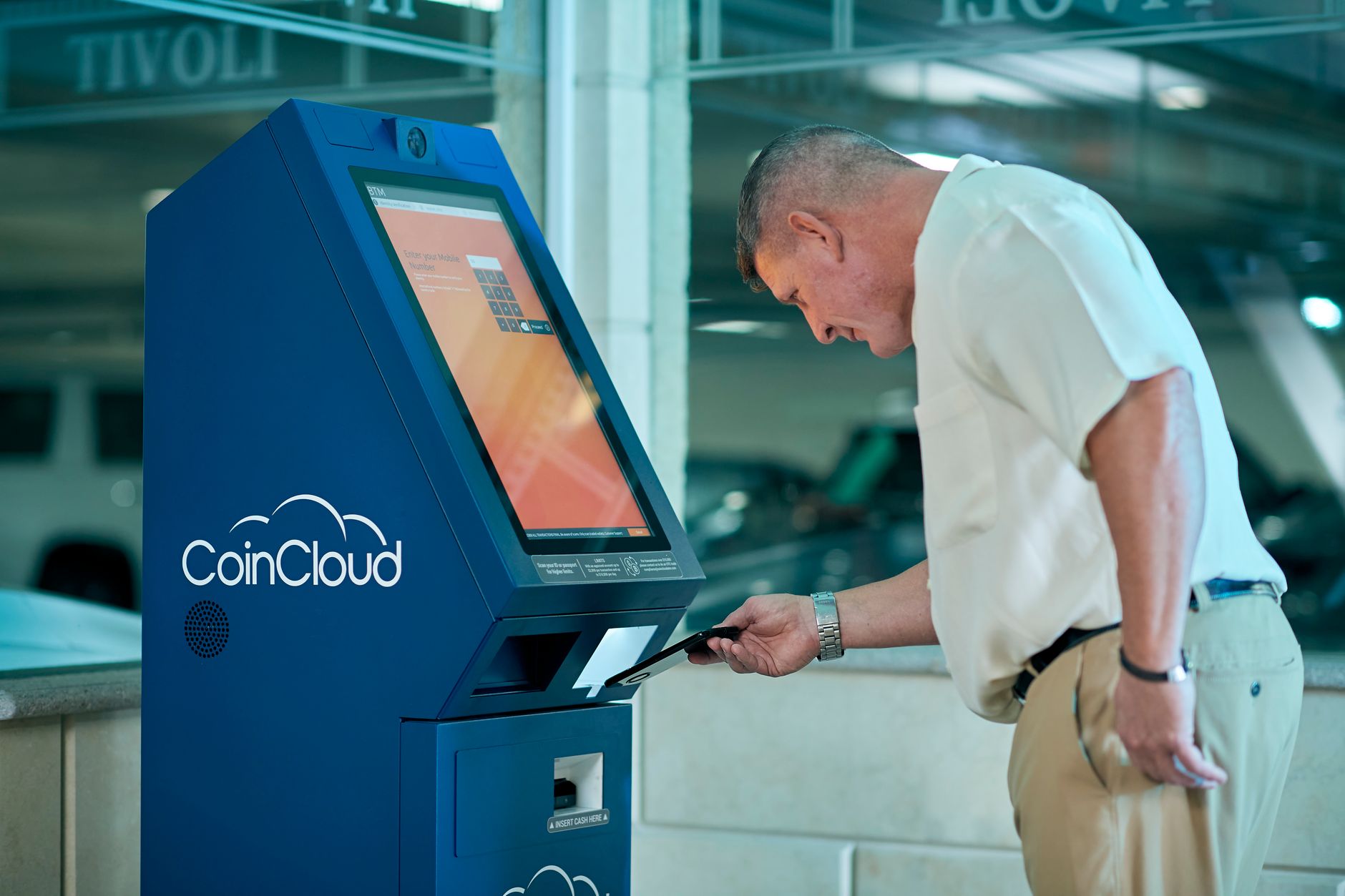
Consumer advocates and law enforcement agencies are renewing warnings about scams involving cryptocurrency ATMs, kiosks that allow users to convert cash into digital assets such as Bitcoin. Fraudsters increasingly direct victims to these machines as part of schemes involving fake tech support calls, romance scams, impersonation of government officials, and bogus investment opportunities. Once cash is deposited and converted into crypto at a kiosk, the funds are transferred to a wallet controlled by the scammer, making recovery extremely difficult.
The pattern has become familiar to fraud investigators: a victim is contacted by someone posing as a bank representative, law enforcement officer, or utility company employee and told that immediate payment is required to resolve an urgent problem. The caller then instructs the victim to locate the nearest cryptocurrency ATM, insert cash, and send the resulting coins to a wallet address supplied by the scammer. Because cryptocurrency transactions are largely irreversible once confirmed on the blockchain, victims often have little recourse after the transfer is complete.
Steps Recommended for Victims
Financial crime specialists generally advise anyone who believes they have been targeted by a cryptocurrency ATM scam to act quickly. The first step is to stop any further transactions immediately and avoid sending additional funds, even if the caller claims more money is needed to “unlock” or “verify” a previous transfer. Victims are urged to document every detail of the interaction, including phone numbers, wallet addresses, transaction IDs, and receipts issued by the kiosk operator, as this information can assist investigators in tracing the funds.
Reporting the incident promptly to local police, as well as to national consumer protection and financial fraud authorities, is considered essential, even when the likelihood of recovering the money is low. Victims are also advised to contact the operator of the specific cryptocurrency ATM used in the transaction, since some companies maintain fraud desks that can flag suspicious wallet addresses or, in limited cases, intervene before funds are moved further along the blockchain. Notifying banks associated with any linked accounts and monitoring for signs of identity theft are also recommended, particularly if personal information was shared with the scammer during the interaction.
Authorities further emphasize that legitimate government agencies, banks, and utility companies do not demand payment through cryptocurrency ATMs. Any request to resolve a legal, tax, or billing issue by depositing cash into a crypto kiosk is widely regarded as a hallmark of fraud.
Relevance for the Gulf
While cryptocurrency ATMs remain far less widespread across the UAE and the wider Gulf compared with markets such as the United States, digital asset adoption in the region continues to expand alongside regulatory frameworks introduced by bodies such as Dubai’s Virtual Assets Regulatory Authority and the Central Bank of the UAE. As crypto access grows through licensed exchanges, wallets, and increasingly through physical kiosks in some GCC markets, regional regulators and consumer protection bodies have periodically cautioned residents about impersonation scams and pressure tactics designed to move victims toward irreversible crypto transfers.
Financial awareness campaigns in the UAE have generally encouraged residents to verify the identity of anyone requesting urgent payment and to treat any instruction to use a cryptocurrency machine as a warning sign rather than a legitimate demand. As the region’s digital asset ecosystem matures, officials and industry groups continue to stress that public education remains a key defense, since recovering funds once they are converted and transferred through a crypto ATM is rarely possible after the fact.





