A Saudi Arabia-based contractor has just landed a $21.3m contract to fix up the water and wastewater systems at King Fahd International Airport in Dammam, and it’s the latest sign of how fast Gulf airports are investing in growth. For anyone watching construction and innovation news in the region, this Dammam airport contract is a small piece of a much bigger puzzle.
Alkhorayef Water & Power Technologies will carry out the SR80m ($21.3m) project under a deal awarded by Dammam Airports Company (DACO). The firm disclosed the award to the Saudi Exchange, Tadawul, on 29 September. Work is expected to wrap up within 18 months.
What’s actually getting fixed at King Fahd International Airport?
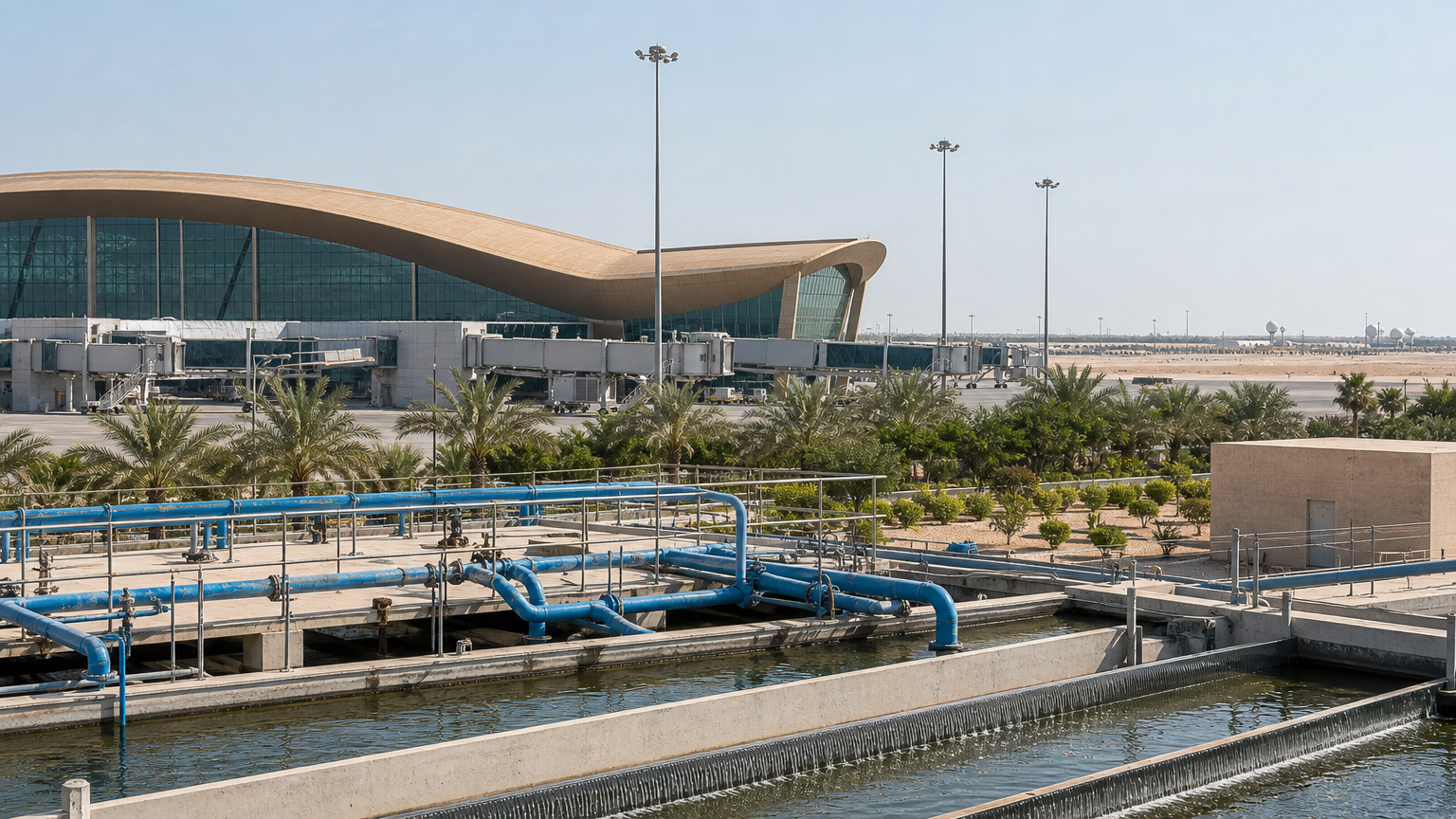
The contract covers pretty much everything to do with water at the airport. That means designing, building, supplying, installing and rehabilitating water and wastewater infrastructure across the site.
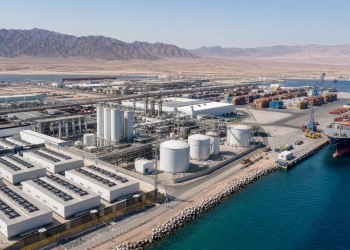
The scope list is detailed. It includes pumps, storage tanks and reservoirs, reverse osmosis facilities for treating water, piping and connection points, plus electrical and instrumentation works. In short, this is a full overhaul of how water moves through one of Saudi Arabia’s busiest air travel hubs.
For travellers and businesses in the Eastern Province, upgrades like this don’t always make headlines, but they matter. Reliable water and wastewater systems are the kind of behind-the-scenes infrastructure that keeps a major airport running smoothly as passenger numbers climb.
Why this Dammam airport deal is part of something much bigger
This water contract didn’t come out of nowhere. DACO has been on a spending spree at King Fahd International Airport, and the numbers are hard to ignore.
Back in June, DACO signed agreements worth more than SR1.2bn ($320m) covering a range of airport infrastructure. That package included a new power station, a medium-voltage distribution network, and upgrades to the existing electrical grid. The water contract adds another layer to that investment push.
Then in September, DACO brought in WSP Middle East, the regional arm of Canadian engineering firm WSP, to work on the airport’s expansion masterplan. The goal is ambitious: lifting annual passenger capacity to more than 19.3 million by 2030, with a longer-term target of 32 million passengers.
Put together, these moves show DACO isn’t just patching up existing facilities. It’s building toward an airport that can handle significantly more traffic in the years ahead. For contractors and engineering firms across the GCC, that kind of pipeline means more opportunities to bid on future work as the expansion plans move from paper to construction sites.
What to watch next: with the water infrastructure contract set for completion within 18 months and the broader masterplan still being developed by WSP Middle East, expect more contract announcements from DACO as King Fahd International Airport works toward its 2030 capacity target.
Read the original report from MEED.