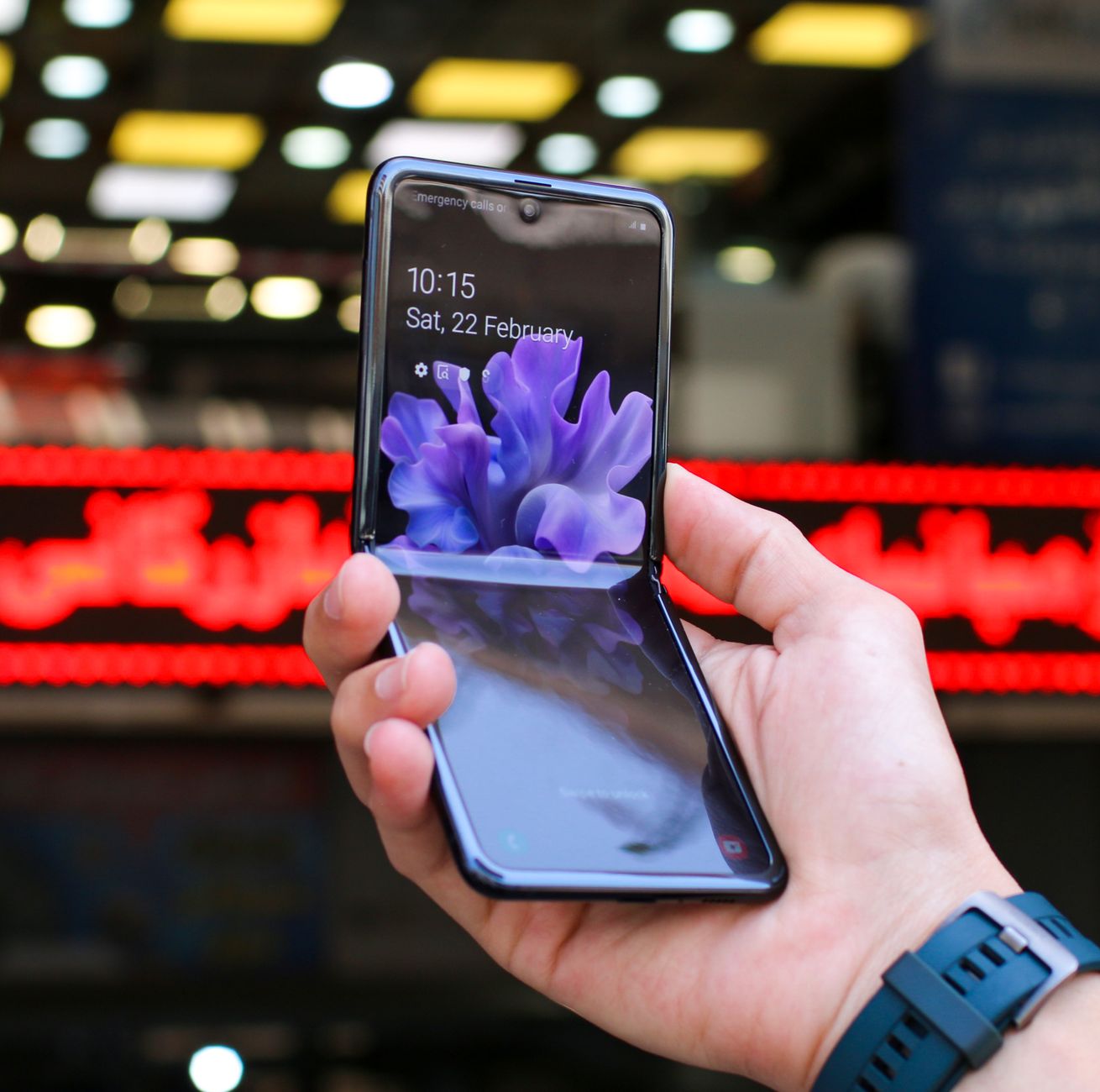
DUBAI — Samsung’s latest Galaxy Unpacked event has set the stage for a fresh foldable-phone push in the UAE, a market where the company already commands a dominant share of premium smartphone sales alongside Apple. The South Korean electronics giant unveiled the Galaxy Z Fold 8, Z Fold 8 Ultra, Z Flip 8 and Watch 9 lineup, positioning foldables as a mainstream category rather than a niche experiment. Samsung’s regional retail partners, including Sharaf DG and Virgin Megastore, are expected to begin pre-orders shortly, with UAE pricing typically tracking closely to US and European launches given the country’s status as a key Gulf distribution hub.
Why the UAE Market Matters to Samsung
The UAE remains one of the highest per-capita smartphone adoption markets globally, and Dubai in particular has become a testing ground for premium device launches ahead of wider GCC rollout. Samsung has historically used the UAE as an early-access market for foldables, and telecom operators such as du and Etisalat by e& have bundled Galaxy Z Fold and Flip devices with 5G plans to court high-spending consumers. With Apple’s cool factor increasingly challenged by folding-screen innovation, analysts expect Samsung to lean on Gulf retail partnerships and telecom bundling to defend its lead in the category before Apple’s rumored foldable iPhone arrives.
Implications for UAE Investors and Retailers
For UAE-based investors and consumer electronics retailers, the Unpacked announcement signals continued demand for premium hardware refresh cycles, a segment that has supported strong quarterly performance for regional distributors. Foldable devices carry higher margins than standard smartphones, and their growing acceptance could benefit companies exposed to device financing, insurance and accessory manufacturing across the region. Free zone-based hardware startups and app developers building for foldable form factors may also find opportunity, as Samsung has signaled continued investment in software optimized for larger, flexible displays — a trend likely to influence enterprise mobility and productivity tool development across Gulf corporates. Local telecom operators, meanwhile, stand to benefit from device-led contract upgrades as customers migrate to the new lineup, reinforcing average revenue per user in a competitive postpaid market.