A cybersecurity expert has commented publicly on a series of suspected attacks targeting infrastructure in the United States, according to a report by KBTX News 3. Specific details about the nature of the incidents, the systems affected, the timeline, or the scale of impact were not disclosed in the available reporting. Similarly, the identity of the expert cited and the precise content of their assessment were not specified in the source material.
The lack of granular detail in early reporting is not unusual in the initial stages of infrastructure-related cybersecurity incidents, where authorities and affected operators often withhold technical specifics while investigations are underway. Attribution to particular threat actors — whether state-sponsored groups, criminal organizations, or opportunistic hackers — frequently emerges only after forensic analysis is completed, if it is disclosed publicly at all.
Why Critical Infrastructure Remains a Persistent Target
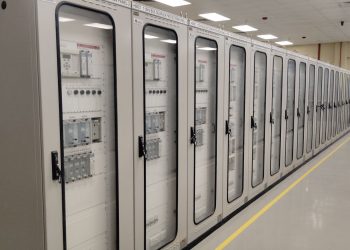
Infrastructure systems, including those tied to energy, water, transportation, and communications networks, have increasingly become focal points for cybersecurity concern worldwide. Operational technology environments that control physical processes are often built on legacy systems that were not originally designed with modern network security in mind, making them attractive targets for actors seeking to disrupt services or demonstrate capability.
The reported involvement of a cybersecurity expert in analyzing suspected attacks on US infrastructure fits into a broader pattern seen globally, where third-party analysts are frequently called upon to contextualize incidents for the public even before official attribution or full technical disclosures are made by affected entities or government agencies.
For readers in the UAE and wider Gulf region, incidents involving critical infrastructure in other parts of the world are typically monitored closely, given that GCC states have made substantial investments in strengthening their own critical infrastructure protections in recent years. Energy production, desalination facilities, ports, and financial networks across the region are considered high-value assets, and regional cybersecurity agencies have previously indicated that lessons drawn from international incidents inform local defensive strategies and regulatory frameworks.
The UAE, in particular, has developed national cybersecurity strategies aimed at protecting critical national infrastructure sectors, and Gulf nations have participated in international information-sharing arrangements related to threats against energy and utility networks. While the specific incidents referenced in the KBTX News 3 report pertain to the United States and do not indicate any direct connection to Gulf infrastructure, they nonetheless serve as a reminder of the interconnected nature of cybersecurity risk facing critical systems globally.
Further details regarding the suspected attacks referenced in the report — including confirmation of affected systems, potential attribution, and any official response from US authorities — had not been made available at the time of the original report. TAI News will continue to monitor developments as additional information becomes available regarding the incidents and any broader implications for infrastructure security practices, including those relevant to the Gulf region.