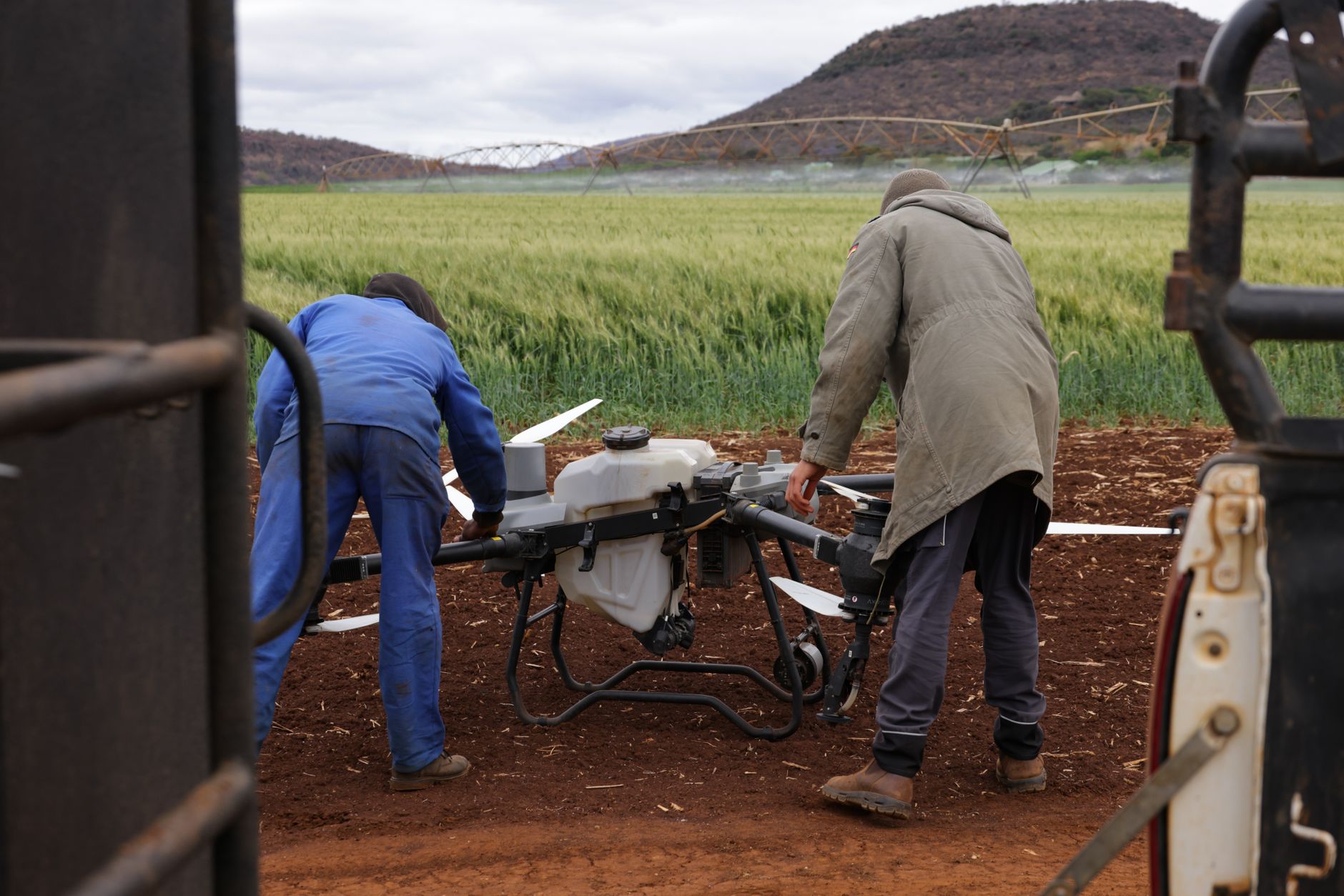
The Pennsylvania State University has announced the formation of the Keystone AgTech Alliance, a new initiative aimed at accelerating innovation in agricultural technology. The university described the alliance as a platform intended to bring together researchers, industry partners and other stakeholders to advance the development and adoption of new tools and approaches across the agriculture sector.
While Penn State has not yet released a detailed roster of participating organizations or a full breakdown of the alliance’s operating structure, the announcement signals a broader push by the university to position itself as a hub for agricultural innovation, building on its existing research strengths in agricultural sciences. The initiative reflects a growing trend among land-grant universities and research institutions in the United States to formalize partnerships that connect academic research with practical, market-ready technology development.
Agricultural technology, often referred to as agtech, spans a wide range of innovations, including precision farming systems, data analytics for crop and livestock management, automation and robotics for field operations, and tools designed to improve resource efficiency and sustainability in food production. Alliances of this kind typically aim to shorten the pathway between early-stage research and commercial deployment, giving startups and established agribusinesses alike better access to academic expertise, testing facilities and talent pipelines.
Penn State’s move comes as universities across the country face pressure to demonstrate the real-world impact of publicly funded research, particularly in sectors like agriculture that are increasingly shaped by climate volatility, labor shortages and rising input costs. By formalizing a coalition under a single banner, the university appears to be seeking to streamline collaboration that might otherwise occur through more informal or fragmented channels.
Why the Initiative Resonates Beyond the US
Although the Keystone AgTech Alliance is a domestically focused US initiative, its emergence is relevant to observers in the UAE and wider Gulf region, where agricultural technology has become a strategic priority. Gulf states, long constrained by arid climates and limited arable land, have invested heavily in recent years in controlled-environment agriculture, water-efficient farming systems and food security programs designed to reduce reliance on imports.
The UAE in particular has pursued partnerships with international universities and research bodies to advance agtech capabilities, reflecting a national strategy that treats food security as a matter of economic and strategic importance. Efforts in vertical farming, hydroponics and desert agriculture research across the Emirates and neighboring Gulf states have often drawn on collaborations with US academic institutions, making developments like Penn State’s new alliance a point of interest for regional policymakers and investors tracking where agricultural innovation is being incubated.
Gulf-based investors and sovereign wealth funds have also shown sustained appetite for agtech ventures globally, whether through direct investment in startups or through funding partnerships with research universities. A coordinated alliance model, of the kind Penn State is establishing, could offer a clearer entry point for outside partners, including from the Gulf, seeking to engage with emerging technologies before they reach broader commercial markets.
For now, Penn State has provided limited public detail on the alliance’s governance, funding structure or specific research priorities. Further announcements are expected to clarify which industry partners are involved and what concrete projects the coalition intends to pursue in its early phase. As agricultural technology continues to attract attention from both public institutions and private capital worldwide, initiatives such as this one are likely to be watched closely by stakeholders in food-security-conscious regions, including the Gulf, for signs of collaborative opportunities or technology transfer down the line.