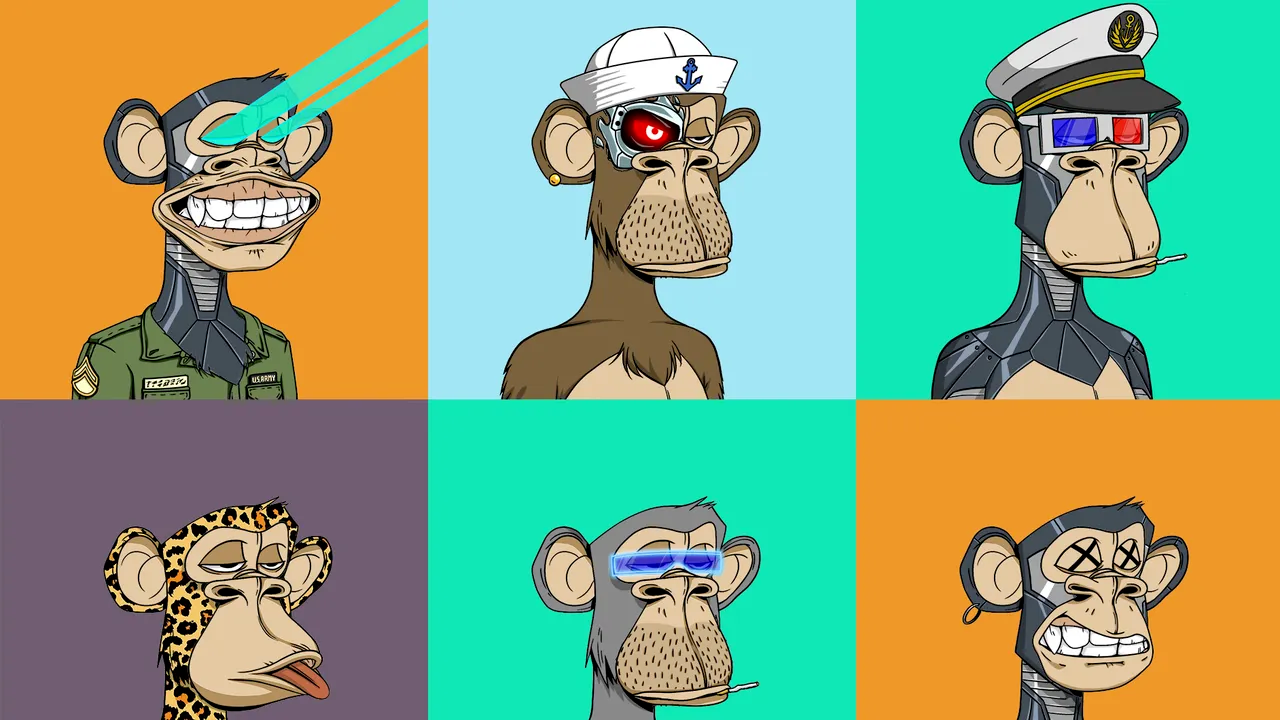
Digital artworks were selling for millions of dollars. Celebrities, athletes, musicians, luxury brands, and multinational corporations rushed into the market. Cartoon apes became status symbols. Twitter profile pictures suddenly carried financial prestige. Auction houses embraced digital collectibles. Tech visionaries declared NFTs the future of ownership in the emerging metaverse economy.
For a brief moment, it seemed as if Non-Fungible Tokens would redefine art, commerce, entertainment, gaming, and even identity itself.
Then came the collapse.
Crypto markets crashed. Trading volumes evaporated. Countless NFT collections lost nearly all their value. Once-hyped projects disappeared into digital obscurity. Investors who entered late suffered enormous losses. Critics who had dismissed NFTs as speculative mania felt vindicated.
Today, the central question surrounding the industry is unavoidable: is the NFT era over?
The answer depends on whether NFTs are viewed as a speculative bubble—or as an unfinished technological evolution buried beneath the excesses of hype and greed.
To understand the future of NFTs, one must first understand what actually happened during the boom years.
The NFT explosion was not driven purely by technology. It was driven by psychology.
NFTs emerged during an extraordinary historical moment shaped by pandemic isolation, stimulus-fueled liquidity, social media virality, and the broader cryptocurrency bull market. Millions of people suddenly found themselves spending more time online, consuming digital culture at unprecedented levels. At the same time, ultra-low interest rates and speculative enthusiasm flooded into tech-related assets.
NFTs became the perfect symbol of this era.
They combined art, status, speculation, internet culture, and blockchain ideology into one highly marketable phenomenon. Owning a rare NFT was not merely about possessing a digital image. It became a social signal, a membership badge, and often a speculative financial bet.
In many cases, scarcity itself became artificially manufactured.
The market rapidly filled with thousands of near-identical collections promising exclusivity and future value. Social media influencers promoted projects aggressively. Celebrities endorsed NFTs. Speculation accelerated faster than actual utility.
Eventually, reality caught up with hype.
Most NFT collections lacked sustainable value beyond speculative momentum. Many buyers were not purchasing digital assets because they genuinely appreciated the art or technology, but because they expected prices to rise endlessly. Once market sentiment reversed, liquidity disappeared rapidly.
This pattern is hardly unique in financial history.
From the Dutch Tulip Mania of the seventeenth century to the dot-com bubble of the late 1990s, emerging technologies often experience periods of irrational exuberance before stabilizing into more mature forms. The collapse of excessive speculation does not necessarily mean the underlying technology disappears.
The internet survived the dot-com crash. In fact, many of today’s most dominant technology companies emerged after the speculative bubble burst.
The same possibility may apply to NFTs.
The problem is that the public often confuses NFTs with overpriced JPEG images.
In reality, NFTs are not primarily about digital art. They are about digital ownership and verifiable authenticity on blockchain networks. The speculative art craze represented only the first large-scale mainstream application of the technology.
The deeper significance of NFTs lies in what they could potentially enable.
For the first time in digital history, blockchain technology made it possible to create unique, verifiable digital assets that can be owned, transferred, and authenticated without relying entirely on centralized platforms.
This concept has implications far beyond collectibles.
NFTs could transform intellectual property rights, gaming economies, ticketing systems, music royalties, luxury goods authentication, identity verification, and even real estate documentation. In theory, NFTs allow digital objects to carry scarcity, provenance, and programmable ownership structures.
The gaming industry may become one of the most important long-term arenas for NFTs.
Modern video game economies already generate billions of dollars annually through virtual skins, items, and digital assets. Yet players rarely truly own these assets. Game publishers retain centralized control over virtual economies.
NFT technology could potentially allow gamers to own, trade, or transfer digital items across platforms more freely. Supporters argue this could create more open digital economies within future virtual worlds and metaverse ecosystems.
Music and entertainment industries are also exploring NFT applications.
Artists have long struggled with intermediaries controlling revenue distribution. NFTs could enable musicians, filmmakers, writers, and creators to monetize work more directly while embedding royalty systems into blockchain-based contracts. Fans might gain access to exclusive experiences, memberships, or content through tokenized ecosystems.
Luxury brands are increasingly interested in NFTs not for speculation, but for authentication.
Counterfeit products remain a major global problem. Blockchain-linked NFTs could verify the authenticity and ownership history of luxury goods, watches, jewelry, and collectibles. In such cases, NFTs function less as speculative assets and more as digital certificates.
Even governments and institutions are experimenting cautiously with tokenized documentation systems.
Educational diplomas, event tickets, licenses, and legal records could theoretically be represented through NFT-like structures that are harder to falsify or manipulate.
Yet despite these potential applications, serious challenges remain.
One of the biggest problems facing NFTs is reputational damage.
For millions of people, NFTs became associated with scams, hype, celebrity manipulation, and speculative excess. The industry attracted enormous amounts of opportunistic behavior during the boom period. Rug pulls, fraudulent projects, artificial price inflation, and market manipulation severely damaged public trust.
This loss of credibility matters because technological adoption ultimately depends on social legitimacy.
Another challenge is usability.
Blockchain systems remain too complex for many ordinary users. Wallet management, private keys, transaction fees, and security risks continue to create barriers to mainstream adoption. If NFTs are to survive long term, the user experience must become significantly simpler and safer.
Regulation also remains uncertain.
Governments worldwide are still determining how to classify and regulate digital assets. Questions involving taxation, intellectual property, consumer protection, and securities law continue to create uncertainty for both companies and investors operating in NFT-related markets.
Environmental criticism has also affected public perception.
During the height of the NFT boom, critics attacked blockchain networks for high energy consumption, particularly those relying on energy-intensive consensus mechanisms. Although many blockchain systems have since become more energy-efficient, environmental concerns remain part of the broader debate surrounding digital asset economies.
Artificial Intelligence is now adding another layer of disruption.
AI-generated art is exploding across the internet, challenging traditional ideas of creativity, originality, and authorship. If AI can generate endless streams of digital images instantly, what gives an NFT lasting cultural or economic value?
This question strikes at the heart of the NFT debate.
The first NFT wave focused heavily on scarcity. But in an AI-driven world flooded with infinite digital content, scarcity alone may no longer be enough. Future NFT ecosystems may need to provide deeper utility, stronger communities, real-world integration, or meaningful experiences beyond speculative ownership.
In this sense, the NFT market may be entering a maturation phase rather than disappearing entirely.
The speculative mania has largely faded. Easy money is gone. Irrational enthusiasm has cooled. What remains are the more difficult questions about sustainable utility and long-term integration into digital economies.
This may ultimately be healthy.
Technologies often become most valuable after the hype cycle collapses because serious builders replace short-term speculators. Companies and developers can focus on infrastructure, usability, and practical applications rather than chasing viral trends.
The future NFT landscape will likely look very different from the chaotic boom years of 2021 and 2022.
Instead of speculative profile pictures dominating headlines, NFTs may become increasingly invisible infrastructure embedded within broader digital systems. Consumers may use NFT-based authentication, ticketing, memberships, or digital identities without even thinking about the underlying blockchain mechanics.
In other words, NFTs may survive not as a cultural frenzy, but as a functional technological layer.
Still, skepticism remains justified.
Not every technological innovation fulfills its original promises. Some concepts simply arrive before society truly needs them. Others become niche tools rather than revolutionary transformations. It remains possible that NFTs will never achieve the scale once predicted by their most enthusiastic supporters.
Yet it is equally possible that the public focused too narrowly on the speculative bubble while overlooking the broader evolution of digital ownership itself.
The internet transformed information. Social media transformed communication. Blockchain may still transform ownership.
The NFT crash revealed the dangers of hype-driven markets detached from real value. But it also exposed humanity’s growing desire to establish ownership, identity, and scarcity within increasingly digital lives.
This desire is unlikely to disappear.
As virtual economies expand, gaming worlds evolve, AI-generated content proliferates, and digital identities become more central to society, questions about ownership and authenticity will only become more important.
The NFT era as a speculative gold rush may indeed be over.
But the era of tokenized digital ownership may only be beginning.