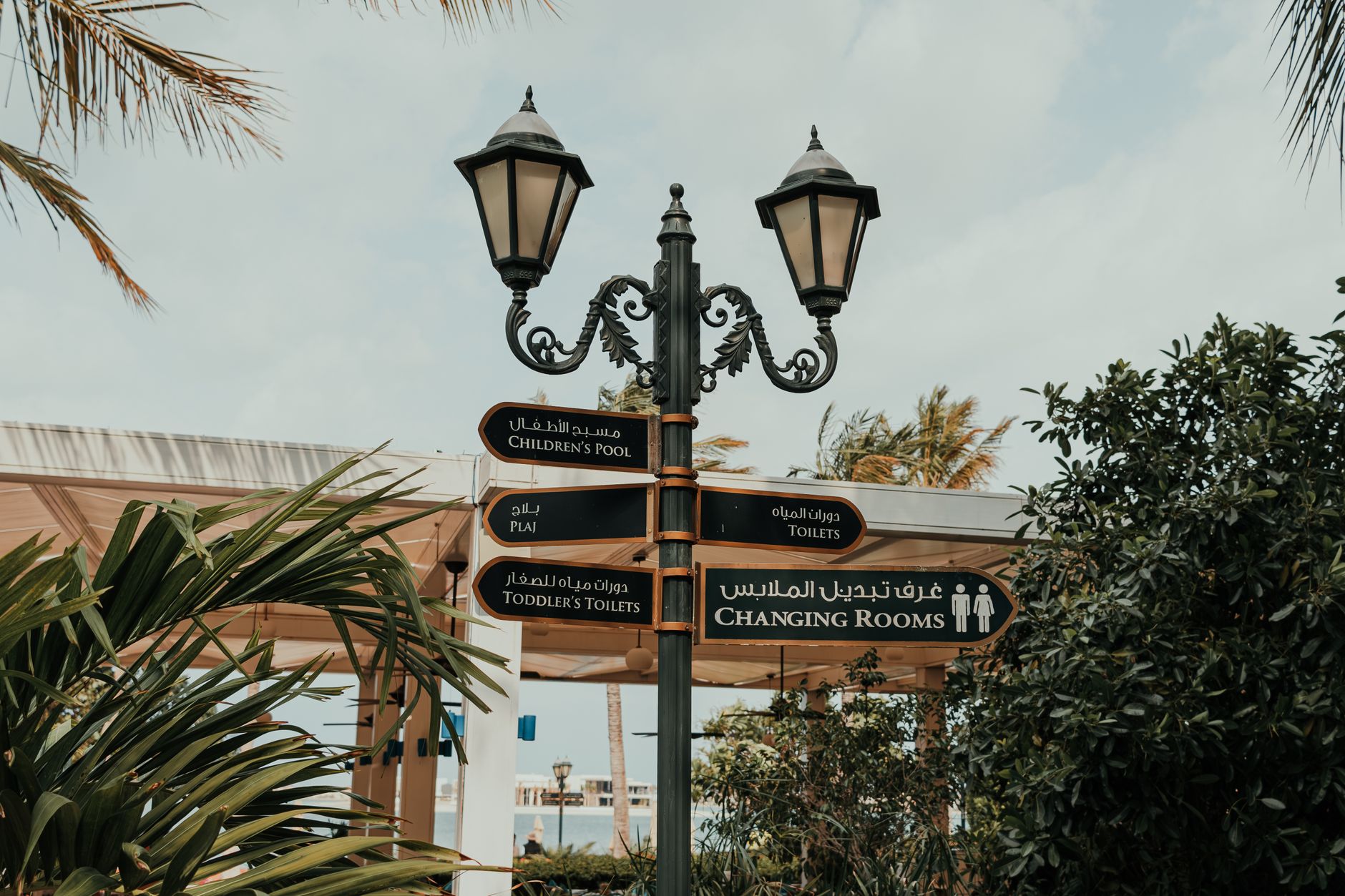
Dubai has unveiled a new visual identity for its addressing system, introducing colour-coded zones designed to make navigating the emirate simpler for residents, visitors and businesses alike. The initiative assigns distinct colours to different districts, with updated street signs and house number plates being installed to reflect the revamped coding across the city’s addressing network, as first reported in New visual identity for Dubai’s addressing system.
The redesign is intended to strengthen what authorities describe as the functionality of Dubai’s addressing infrastructure, a system that underpins everything from mail delivery to emergency response and ride-hailing services. By linking specific colours to specific geographic zones, officials hope to reduce confusion for those unfamiliar with the emirate’s layout, including the large number of newcomers who relocate to Dubai each year for work or business opportunities.
Implications for Residents, Businesses and the Wider Gulf
For Dubai’s diverse population, the change carries practical consequences. Property transactions, delivery logistics and municipal correspondence often rely on precise address references, meaning residents, landlords and companies may need to adjust how they record and communicate location details during the transition. Businesses operating logistics and courier services, in particular, are likely to monitor the phased rollout closely, as consistent signage across neighbourhoods directly affects delivery accuracy and response times for emergency services.
The move also fits into a broader pattern seen across the UAE, where infrastructure upgrades are frequently used to support rapid urban growth and rising population density. Dubai’s continued expansion into new residential and commercial districts has placed growing demands on municipal systems, and a clearer, more visually intuitive addressing framework is seen as one way to keep pace with that growth while improving day-to-day usability for both residents and visitors.
Beyond Dubai itself, the initiative could carry weight across the wider Gulf region. As one of the GCC’s most prominent commercial and tourism hubs, Dubai’s approach to urban planning and public infrastructure is often closely watched by neighbouring emirates and countries looking to modernise their own cities. A successful rollout of the colour-coded addressing system could offer a template for other urban centres in the region seeking to streamline navigation and signage as their own populations and commercial activity expand.
Officials have indicated that the new visual identity will be implemented in phases across Dubai’s main districts and communities, suggesting that residents may see signage updates introduced gradually rather than all at once. In the meantime, authorities are expected to continue efforts to familiarise the public with the new colour associations, particularly as the system becomes more deeply embedded in everyday services such as deliveries, navigation apps and official correspondence.
While specific timelines for full completion have not been detailed, the initiative reflects Dubai’s ongoing efforts to refine its urban infrastructure in line with its status as a fast-growing global city, balancing practical navigation needs with a cohesive visual identity across its expanding map of neighbourhoods.