DUBAI — Science Corporation, the California-based neurotechnology firm founded by former Neuralink president Max Hodak, has secured European regulatory approval for its vision-restoring retinal implant, a milestone that healthcare investors across the UAE are watching closely as the Emirates positions itself as a regional hub for advanced medical technology and biotech investment.
Why the approval matters for Gulf healthcare markets
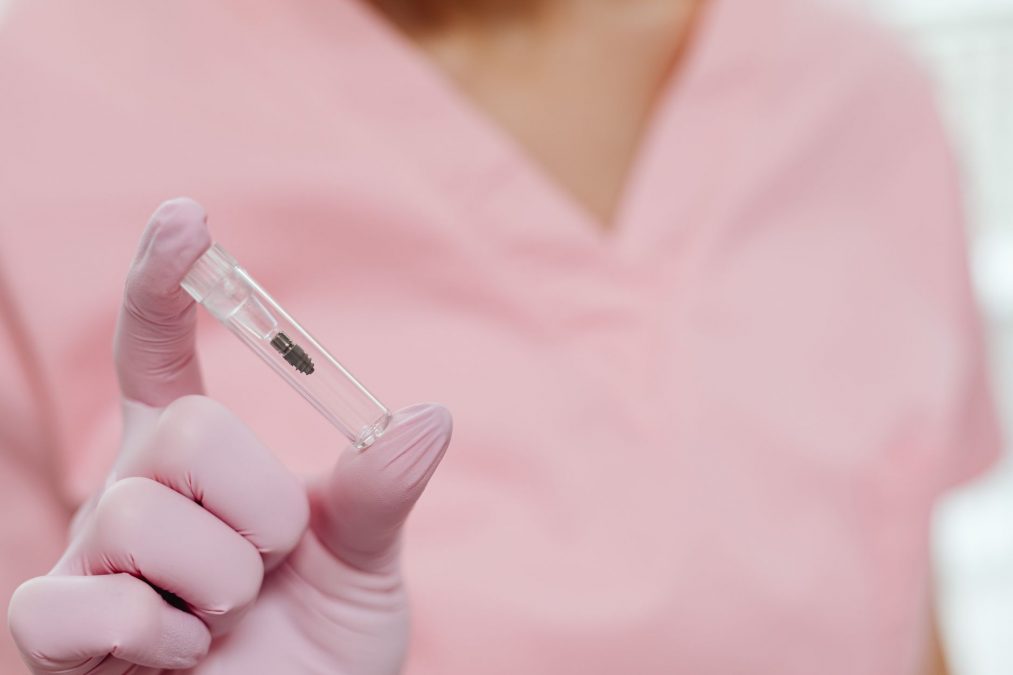
The device, known as Prima, targets patients with geographic atrophy, an advanced form of age-related macular degeneration that causes irreversible vision loss. CE mark clearance allows commercial rollout across the European Economic Area and typically accelerates parallel regulatory pathways in the Gulf, where health authorities in Abu Dhabi and Dubai have increasingly aligned device approvals with European and US standards to speed patient access.
Hodak’s comment that the sector needs “a company making $100 million a year of revenue” underscores a broader challenge facing neurotechnology: moving from research funding to sustainable commercial scale. For UAE sovereign wealth vehicles and family offices that have poured capital into life sciences and healthtech, Science Corporation’s approval offers a rare proof point that implantable neurotechnology can clear regulatory hurdles and reach paying markets, not just laboratories.
Implications for UAE founders and healthcare operators
Abu Dhabi’s Mubadala and Dubai-based healthcare investors have expanded exposure to medtech and neurotechnology in recent years, part of a wider push to diversify beyond oil and real estate. A validated revenue-generating device in ophthalmic neurotechnology strengthens the investment case for similar ventures being incubated at Dubai Silicon Oasis and Abu Dhabi’s Hub71, both of which have courted health-focused startups.
UAE hospital networks, including those operated by M42 and PureHealth, are likely candidates for early adoption once regional approvals follow. With the country’s aging expatriate population and growing prevalence of macular degeneration among older residents, demand for retinal implant technology is expected to grow steadily over the next decade.
Science Corporation has not disclosed pricing or a timeline for Gulf market entry, but industry analysts expect the company to pursue partnerships with regional distributors already active in ophthalmology, mirroring the approach taken by other US and European medtech firms entering the UAE market.