• About
  • Contact
  • Marketing
  • T&I Advertising
  • Pricing
Wednesday, August 19, 2026
  • Login
No Result
View All Result
T&I News
  • Home
  • Technology
  • Investment
  • Business
  • Entrepreneurship
  • Events
  • AIM Congress 2026
  • Home
  • Technology
  • Investment
  • Business
  • Entrepreneurship
  • Events
  • AIM Congress 2026
No Result
View All Result
T&I News
No Result
View All Result

MIT researchers examine new models for innovation

by T&I News
August 18, 2026
in Innovation
Reading Time: 2 mins read
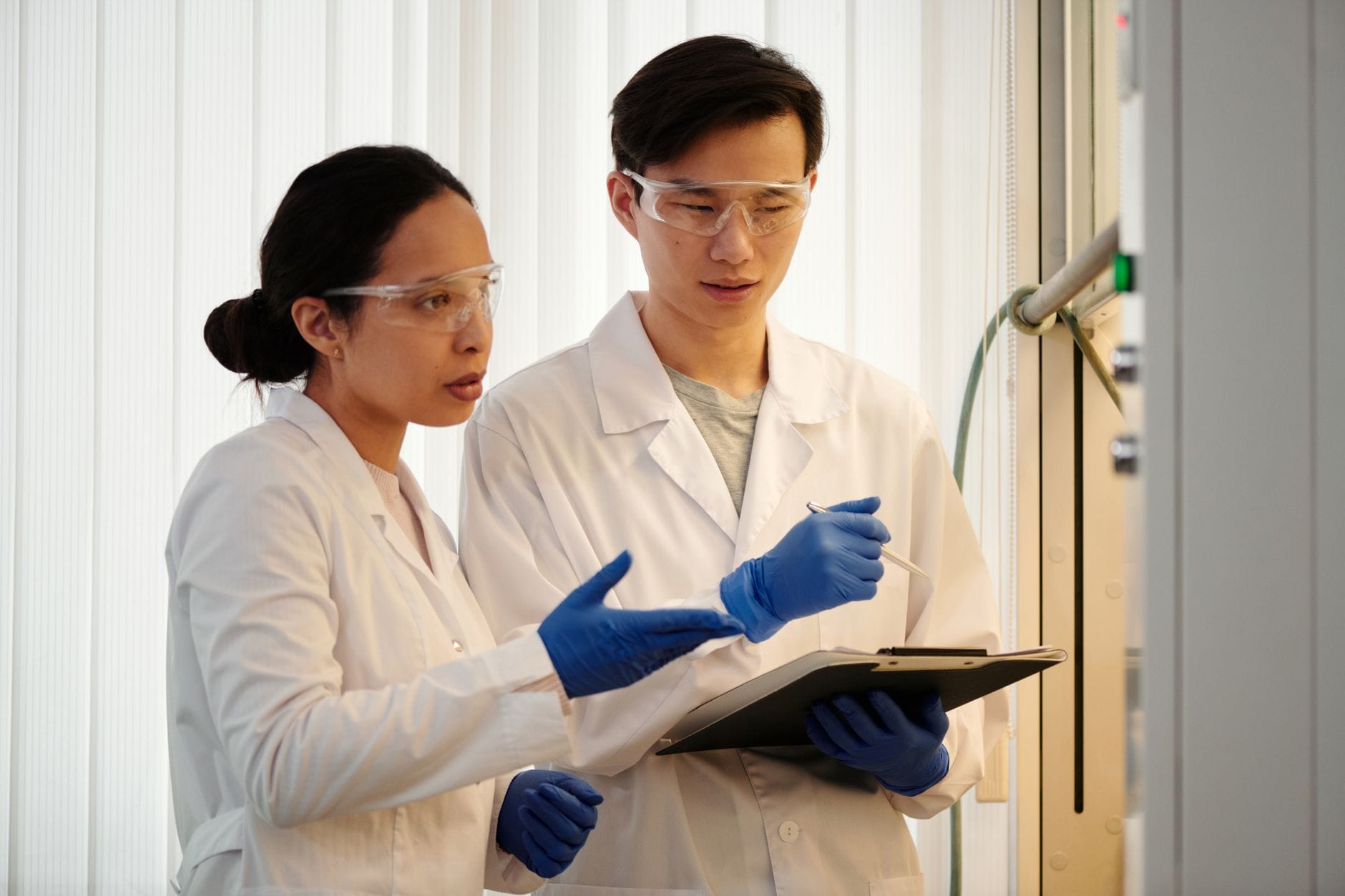
Photo by Edward Jenner on Pexels

Photo by Edward Jenner on Pexels

Massachusetts Institute of Technology has published a new discussion examining how innovation takes shape inside research institutions and companies, and what changes may be needed to keep pace with the accelerating speed of technological development. The piece, part of MIT News’ ongoing Q&A series, looks at the structures, incentives and collaborative practices that shape how new ideas move from concept to real-world application.

The conversation touches on a question that has taken on growing urgency across the global research and business community: whether traditional models of innovation, often built around individual labs, siloed departments or linear pipelines from research to product, remain fit for purpose in an era defined by artificial intelligence, rapid prototyping and cross-disciplinary problem-solving. Institutions such as MIT have long positioned themselves as testbeds for rethinking that process, given their role at the intersection of academic research and commercial application.

Why the approach matters beyond campus walls

The broader theme, rethinking how innovation happens rather than simply what is invented, resonates well beyond a single university. Governments, corporations and investors worldwide have been re-examining the infrastructure of innovation itself: how teams are organized, how funding is allocated, how failure is tolerated, and how disciplines that once operated separately, such as engineering, design and policy, are increasingly required to work in tandem.

This shift has direct relevance for the UAE and the wider Gulf region, where governments have made innovation policy a central pillar of long-term economic diversification strategies. The UAE has invested heavily in building research institutions, technology free zones and public-private partnerships intended to shorten the distance between research and commercialization, mirroring the very questions MIT’s discussion raises. From Abu Dhabi’s push into advanced technology and artificial intelligence to Dubai’s positioning as a hub for applied innovation and entrepreneurship, Gulf policymakers have shown sustained interest in importing and adapting models used by leading global research institutions.

Regional universities and research centers, several of which maintain academic partnerships or exchange relationships with US institutions, are often looked to as conduits for these ideas, translating lessons from places like MIT into frameworks suited to the Gulf’s own industrial and economic priorities, including energy transition, advanced manufacturing and digital infrastructure.

For GCC-based investors and technology executives, the underlying question, how to structure organizations so that innovation is systematic rather than accidental, carries practical weight. As Gulf sovereign wealth funds and government entities continue to back start-ups, research parks and applied science initiatives, the mechanics of how innovation is organized, not just funded, are increasingly seen as a determinant of long-term competitiveness.

MIT’s discussion does not offer a single prescriptive model, but instead frames innovation as a continually evolving practice, shaped as much by institutional culture and collaboration as by technical breakthroughs. That framing aligns with a broader global recognition that innovation ecosystems, whether in Cambridge, Massachusetts, or across the UAE’s growing network of research and technology hubs, depend on deliberate design choices as much as on individual ingenuity.

As the pace of technological change continues to accelerate, institutions worldwide, including those across the Gulf, are likely to keep revisiting the same fundamental question MIT’s researchers are asking: not simply what the next innovation will be, but how the systems producing it need to change.

Tags: commercialization processinnovation ecosysteminnovation modelsinnovation strategyMIT innovationresearch collaborationresearch institutionstechnology development
T&I News

T&I News

Related Posts

Photo by MedPoint 24 on Pexels

Global Push to Accelerate Cardiovascular and Brain Health Innovation

by T&I News
August 19, 2026
0

The American Heart Association has launched a global health technology competition aimed at speeding up the development of innovations that...

Photo by Artem Podrez on Pexels

Bridging Research and Industry Needs

by T&I News
August 18, 2026
0

Tufts University has established a new innovation hub aimed at accelerating research into next-generation technologies for food and materials science,...

Photo by Pavel Danilyuk on Pexels

Baosheng Moves to Acquire Blue Intelligence Cloud in AI Marketing Push

by T&I News
August 17, 2026
0

Baosheng has entered into discussions to acquire Blue Intelligence Cloud Innovation Technology, a move the company has framed as part...

Photo by Jeffry Surianto on Pexels

Ultraviolette CEO calls for Indian leadership in global EV race

by T&I News
August 16, 2026
0

The chief executive of Indian electric motorcycle manufacturer Ultraviolette Automotive has called on India to position itself at the forefront...

Photo by RDNE Stock project on Pexels

Profile Emerges for NC Commerce-Linked Researcher

by T&I News
August 16, 2026
0

A publicly listed profile for Riley Lawson, Ph.D., has surfaced in connection with the North Carolina Department of Commerce, according...

Photo by Pavel Danilyuk on Pexels

Regional Grant Programme Opens for Applications

by T&I News
August 15, 2026
0

Organizations across Southeast Asia are being invited to apply for the ASEAN Science Technology and Innovation Fund's 2026 funding cycle,...

Next Post
Photo by RDNE Stock project on Pexels

A Small Team Bets Big on Human-Made Craft

Recommended

UAE Real Estate Continues to Attract Global Interest as Strategic Partnerships Drive Growth

UAE Real Estate Continues to Attract Global Interest as Strategic Partnerships Drive Growth

2 months ago
Accelerating AI advancement: Abu Dhabi’s innovation champions & tech pioneers shine bright at GITEX GLOBAL 2024

Accelerating AI advancement: Abu Dhabi’s innovation champions & tech pioneers shine bright at GITEX GLOBAL 2024

2 years ago
Currently Playing

Interview with Mr. Maher Al Kaabi at World Green Economic Summit

Interview with Mr. Maher Al Kaabi at World Green Economic Summit

00:08:33

Interview with H.E. Laila Rahhall, founder of Business Gate

00:09:21

Interview with Ms Claudia Pinto, Head of Philanthropy & Sustainability Projects -The Empowered Women

00:07:41
T&I News

© 2025 T&I News - Online News for technology & Investment

  • About
  • Contact
  • Marketing
  • T&I Advertising
  • Pricing

Welcome Back!

Login to your account below

Forgotten Password?

Retrieve your password

Please enter your username or email address to reset your password.

Log In

Add New Playlist

No Result
View All Result
  • Technology
  • Investment
  • Innovation
  • Business
  • Entrepreneurship
  • Opinions
    • Events
  • T&I Advertising
    • Marketing
    • Pricing
  • Contact
    • About
  • AIM Congress 2026

© 2025 T&I News - Online News for technology & Investment