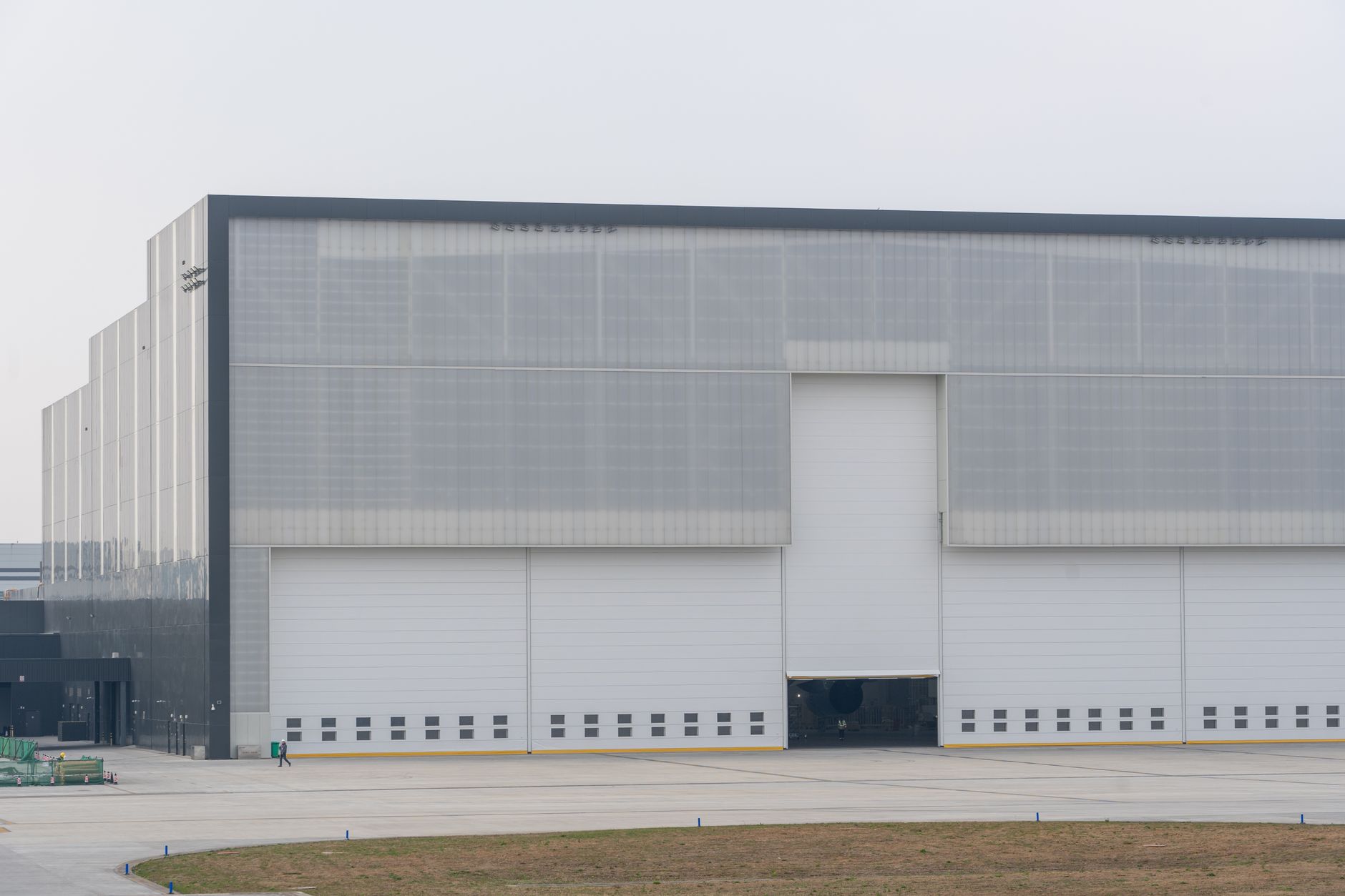
The UAE’s industrial and logistics real estate sector continues to demonstrate strong performance, with property consultancy JLL pointing to high tenant retention and occupancy levels that remain close to full capacity across the market. The findings underscore the sustained appeal of the country’s warehousing, manufacturing and logistics space to both domestic and international occupiers, even as broader global real estate markets navigate uneven demand.
Industrial real estate in the UAE has increasingly drawn attention from investors and developers over the past several years, buoyed by the country’s positioning as a regional trade and logistics hub. Free zones, ports and inland industrial clusters across the Emirates have benefited from steady demand from sectors including e-commerce, third-party logistics, manufacturing and food and beverage distribution, all of which rely on efficient, well-located warehousing and distribution facilities.
JLL’s assessment suggests that landlords in this segment have been largely successful in keeping existing tenants in place, a dynamic that typically reflects both the scarcity of high-quality available stock and the operational costs and disruption associated with relocating industrial operations. High retention rates are generally seen by analysts as a sign of a landlord-favourable market, where tenants have limited alternative options and are more likely to renew leases rather than risk losing suitable space.
What It Means for the Gulf Market
For the UAE and the wider Gulf region, sustained strength in industrial real estate carries implications beyond the property sector itself. The Emirates has positioned itself as a logistics and re-export hub connecting Asia, Africa and Europe, and the performance of its industrial property market is closely tied to broader trade volumes, port throughput and manufacturing activity across the GCC. Near-full occupancy in industrial zones typically signals healthy underlying demand from businesses expanding their supply chain and distribution footprint in the region.
Regional developers and institutional investors have shown growing interest in industrial and logistics assets in recent years, viewing the segment as a relatively stable source of income compared with some other real estate classes. Strong tenant retention figures of the kind highlighted by JLL are likely to reinforce that investment case, potentially encouraging further development activity and capital inflows into industrial parks and logistics facilities across the UAE.
The findings also arrive at a time when Gulf economies are pushing to diversify away from oil dependence, with manufacturing and logistics identified as priority sectors in national economic strategies. A tight industrial property market, characterised by limited vacancy and strong lease renewals, could pose challenges for new entrants seeking space, potentially pushing up rents and prompting further supply additions in key industrial corridors.
While the specific data underpinning JLL’s observations were not detailed, the broader trend aligns with recent commentary from real estate consultancies operating in the region, who have consistently flagged industrial and logistics assets as among the best-performing segments of the UAE property market. Market participants will be watching for further reports and data releases that could quantify the extent of this tightness and its implications for rents, new supply and investment flows across the UAE’s industrial real estate landscape in the coming quarters.