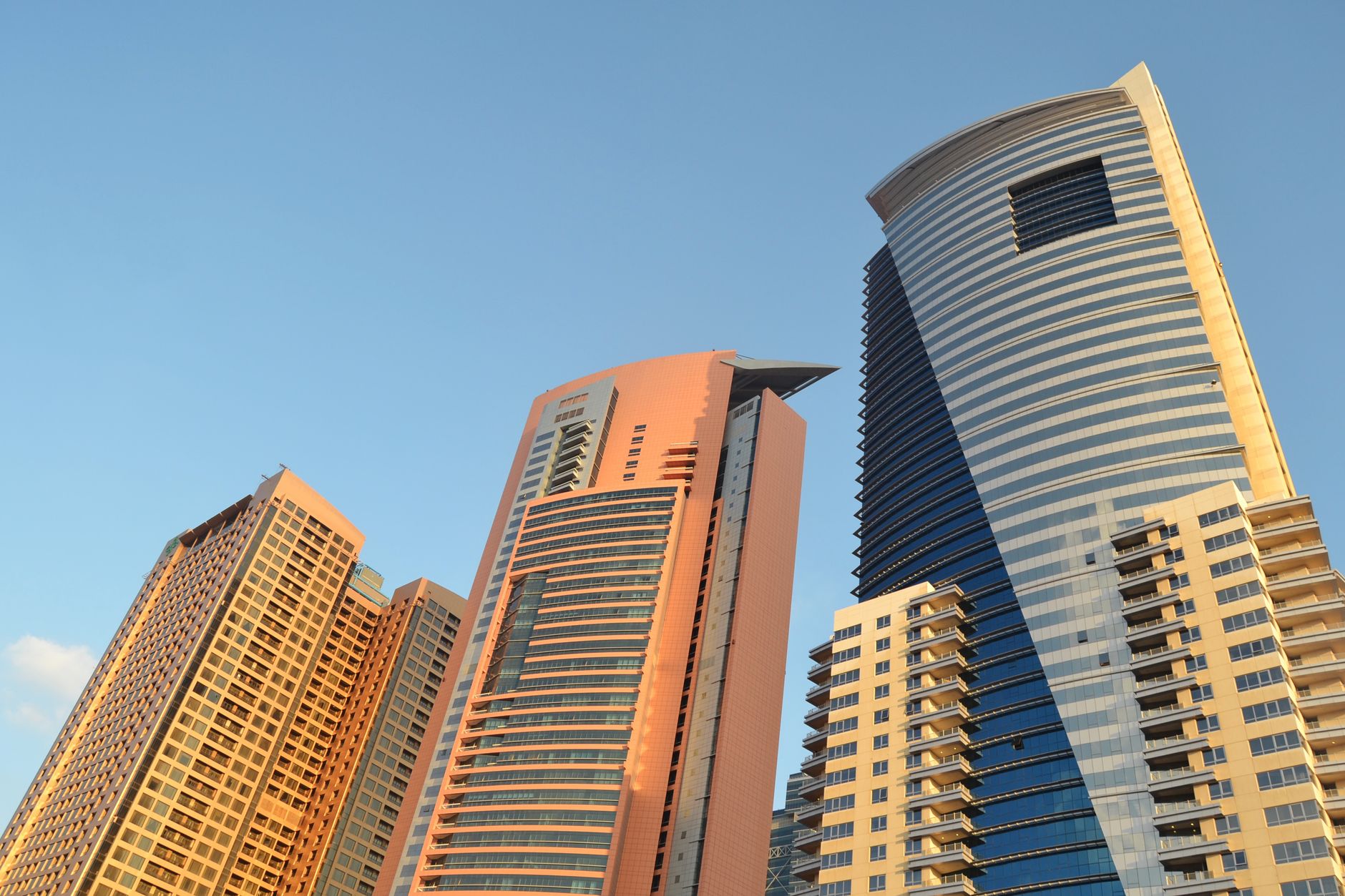
Indian nationals now account for more than 14 percent of sales at one of the UAE’s major real estate developers, underscoring the growing weight of Indian capital in the country’s property sector. The figure, tied to a prominent developer active in the Emirates, reflects a broader pattern that industry observers have tracked for several years: buyers from India ranking among the top nationalities purchasing residential and investment property across Dubai, Abu Dhabi and other emirates.
The UAE’s real estate market has drawn sustained international interest in recent years, fuelled by long-term residency visa reforms, a tax-friendly environment, and a currency peg that offers stability for foreign investors. Within that broader pool of international buyers, Indian nationals have consistently featured among the largest groups, alongside buyers from the UK, other GCC states, and various European and Asian markets.
Developers operating in the UAE have increasingly tailored marketing efforts toward the Indian diaspora and investors based in India, recognising the scale of demand from that market. Roadshows, property expos and digital marketing campaigns targeting Indian cities have become a regular feature of developer sales strategies, particularly for projects positioned in the mid-to-premium segment where Indian buyers have shown strong appetite.
Why the Trend Matters for the Gulf Property Sector
The scale of Indian participation in UAE property sales carries direct relevance for the wider Gulf real estate ecosystem. India remains one of the largest source markets for expatriate residents in the UAE, and the community’s economic ties to the country span decades, spanning trade, remittances and long-term family settlement. That demographic base gives Indian buyers a distinctive advantage: many already have professional, familial or business connections to the UAE, making property investment a natural extension of an existing relationship with the country rather than a purely speculative move.
For developers, a sales base skewed toward Indian buyers signals confidence in the durability of that demand, particularly as India’s own economy continues to expand and generate more high-net-worth individuals and upper-middle-class households capable of investing abroad. Analysts have noted that outbound property investment from India has grown alongside the country’s wealth creation, with the UAE consistently ranking as one of the preferred overseas destinations owing to proximity, flight connectivity, and the absence of income tax on rental returns or capital gains for individual investors.
The trend also has implications for the UAE’s own economic diplomacy with India. Both governments have in recent years emphasised expanding trade and investment ties, including through a bilateral economic partnership agreement, and property flows form one visible strand of that deepening relationship. Strong Indian buyer participation in developer sales books reinforces the UAE’s positioning as a preferred investment and lifestyle destination for the diaspora, at a time when several emirates are competing to attract diversified sources of foreign direct investment into real estate.
For the broader Gulf real estate sector, the pattern illustrates how diaspora and foreign investor demand continues to underpin activity even as the market matures beyond its earlier speculative cycles. Developers that can demonstrate resilient demand from specific nationality segments, including India, are likely to use such data points to reassure other investors and lenders about the sustainability of project pipelines. As the UAE continues to expand residency options and streamline property ownership rules for foreigners, market participants expect Indian buyers to remain a significant, and closely watched, segment of the country’s real estate demand base in the years ahead.